Last updated: August 23, 2026
There is a stretch of weeks when maternity clothes are too big, the clothes from before do not fasten, and leaving the house in either feels wrong. Compression leggings are the item that quietly solves it. They are not a recovery product and they are not shapewear; they are trousers with a tall waistband and enough hold that you stop thinking about your middle while you are out.
The catch is that the category is full of promises it should not be making. This guide sticks to what a garment can honestly do, which is fit well, hold evenly, sit clear of an incision, and survive being worn four days out of seven. Everything else belongs with your doctor or a pelvic floor physical therapist.
This article contains affiliate links. If you buy through them, we may earn a commission at no extra cost to you. Learn more.
Quick Answer
What makes a good pair of postpartum compression leggings?
- A waistband tall enough to sit above an incision line and wide enough not to roll.
- Moderate, even hold rather than the firmest fabric you can find.
- A thick opaque knit, because thin compression fabric goes sheer when it stretches.
- Order by measurement, and expect your size to move over the first months.
Bottom line: buy for waistband height and fabric weight, not for compression numbers. These are comfortable clothes, not part of anyone’s recovery plan.
What These Leggings Do
They hold the abdomen, hips and thighs in a smooth, even way and they stay up. That is the whole proposition, and it is enough, because the alternative in this period is either drawstring trousers or maternity leggings that no longer fit anywhere. Owners describe feeling put together rather than supported, which is an honest way to put it.
What they do not do is change your body, take the place of a postpartum wrap, or do anything about your abdominal muscles. If those are the questions, a pelvic floor physical therapist or your doctor is the right stop, and clothing is a separate purchase.
Waistband Height Is the Whole Decision
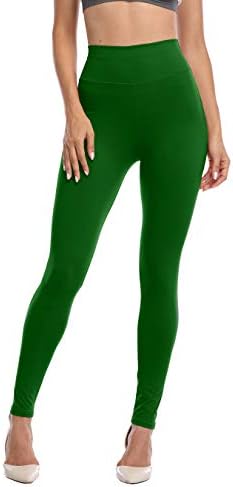
A high waistband does three jobs at once: it sits clear of a C-section incision line, it stays up when you bend and lift, and it does not create a band of pressure across the softest part of the middle. A mid rise pair does none of them and rolls down within an hour.
Look for a band that reaches at least to the natural waist and preferably above it, in a single piece of fabric rather than an elastic strip sewn on. After a C-section this is not a preference, it is the only specification that matters, and whether wearing anything over the area is appropriate yet is a question for your doctor.
Best if you want one pair for everything
A high waisted pair in a thick opaque knit with a wide unseamed band is the pair that gets worn most. It goes under a long shirt, it stays up on the school run, and nothing digs in at the front.
How Much Compression You Actually Want
Firmer is not better here. Very firm fabric is hard to get into, uncomfortable to sit in for long, and tends to roll at the top edge because the band cannot hold against that much tension. Moderate, even hold across a large area is what people keep wearing.
Graduated medical compression is a different product entirely and is something to discuss with your doctor rather than buy on a whim. If you have been advised to wear compression for a specific reason, follow that advice and that specification rather than a fashion listing.
Best if firm fabrics have not worked for you
A softer knit with moderate hold and a wide band is more comfortable for long days and much easier to get on one handed, which matters more than the number on the packaging.

Fabric, Opacity and the Squat Test
Thin compression fabric goes translucent when stretched, and the point at which it does is the point at which the leggings stop leaving the house. Look for a heavier knit, a listed fabric weight if there is one, and reviews that mention opacity specifically, since that is the complaint that turns up in every thread about cheap pairs.
Seams matter too. A flat seam at the front of the waistband is invisible; a thick overlocked one lands exactly where nobody wants a seam. Gussets in the crotch and a bonded waistband edge are signs of a pair built to be worn rather than photographed.
Best if you want a pair you can wear out of the house
A thicker knit with a bonded waistband edge stays opaque and stays smooth under clothing. Buy in dark colors if opacity is your worry, since lighter shades are always the thinner looking option.

Sizing While Your Size Is Moving
Bodies change in this period and they do not change at a predictable rate, which makes buying three pairs at once a gamble. One pair that fits now is more useful than three that might fit later, and the reviewer advice across this category is consistently to order by the measurement chart rather than by your usual clothing size.
If you are between sizes, going up is the safer error. A pair that is slightly loose stays wearable as things change; a pair that is slightly tight is uncomfortable from the first day and never gets better.
Leggings, Wrap or Shorts
| Garment | Coverage | Hold | Suits |
|---|---|---|---|
| Compression leggings | Waist to ankle | Moderate, fixed | Leaving the house, cool weather |
| Compression shorts | Waist to thigh | Moderate, fixed | Under dresses, warm weather |
| Postpartum wrap | Ribs to hips | Firm, adjustable | At home, when you want real hold |
| Maternity leggings | Over or under bump | Light | Still pregnant, or the loose weeks after |
Most people use two of these at different times of day. See our guides to the postpartum belly wrap and to maternity leggings for the other rows.
What Owners Complain About
Rolling at the waist is the leading complaint, and the cause is almost always a band that is too narrow or a size that is too small. A wide band in a size that is not being asked to stretch to its limit stays where it is put. Silicone grip strips help but they are not a substitute for the right size.
Second is pilling between the thighs after a few washes, which is a fabric quality issue rather than a fit one. Cold wash, no fabric softener and hanging to dry buys a lot of extra life out of a pair, and pairs described as thick tend to survive better than the very smooth thin ones.
The Pair Bought in the Wrong Size
Buying pre pregnancy size as a target is the mistake that shows up in reviews as a complaint about the product. Buy for the body you have this month. Our guide to what you actually need to buy takes the same approach to the rest of the wardrobe.
Frequently Asked Questions
Can I wear these after a C-section? Only with your doctor’s go ahead, and then only in a high waisted cut that sits clear of the incision line. The waistband height is the specification that decides it. See our C-section recovery belt guide for the firmer option.
Are they the same as shapewear? No. Shapewear is designed to change your outline for an evening. These are designed to be comfortable for a whole day, which is a different fabric and a different cut.
How long can I wear them? They are clothing, so as long as they are comfortable. If you have been given specific guidance about wearing compression, follow your doctor’s instructions rather than a general answer.
Will maternity leggings do instead? They will, loosely, and plenty of people carry on wearing them. The difference is hold: maternity leggings are cut to accommodate rather than to hold, so they tend to sag once there is no bump.
Do they work for going back to exercise? Whether and when you go back to exercise is a question for your doctor or a pelvic floor physical therapist. Once you have that answer, a thicker opaque pair is a reasonable thing to move in.
How many pairs do I need? Two is the number most people settle on: one on, one in the wash. Buy the second only after the first has proved itself.
When to Ask a Professional Instead
Clothing is clothing. If you have pain, a heaviness or dragging feeling, questions about abdominal separation, or concerns about an incision, speak to your doctor, your midwife or a pelvic floor physical therapist rather than looking for a firmer garment. Compression that has been advised for a medical reason should follow their specification, not a shopping list.
The Bottom Line
Buy one pair, high waisted, thick enough to stay opaque, in a size chosen from the measurement chart rather than from ambition. Moderate hold beats maximum hold for anything you plan to wear all day, and the waistband is the part that decides whether the pair gets worn or returned. Read next: the postpartum belly wrap, and what to buy for the in between weeks.