Last updated: August 23, 2026
Search for C-section scar products and you will find an entire aisle of things promising a great deal. This article promises very little, on purpose. What happens to a surgical scar over time depends on your skin, your surgery and your body, and no product sold on a shelf decides that. Your doctor does the assessing; a buying guide can only talk about comfort and about what the products physically are.
So this is a page about two practical problems: dryness and itch as skin settles, and clothing rubbing across a line that is still sensitive. It also has one rule running through all of it, which is that nothing goes on or near the incision until the person who performed or oversaw your surgery says the incision is closed and it is fine to do so.
This article contains affiliate links. If you buy through them, we may earn a commission at no extra cost to you. Learn more.
Quick Answer
What is worth having for C-section scar care?
- Nothing at all until your doctor confirms the incision is closed. That is the first and most important step.
- Silicone sheets or gel are the products most often discussed for surgical scars; ask your doctor whether they suit you.
- A plain fragrance free moisturizer or oil for the dry, tight, itchy skin around the area.
- Soft high waisted clothing so nothing sits on the line, which does more for daily comfort than any tube does.
Bottom line: comfort products are fair game once you have the go ahead. Anything about how the scar looks, feels or behaves is a conversation with your doctor.
What This Page Does Not Cover
It does not tell you what your scar will look like, how it will change, or what any product will do to it. Those are medical questions with individual answers, and the honest position for a shopping guide is to say so plainly rather than to imply an outcome. There is no product on this page that we are claiming changes a scar.
What it does cover is the comfort side: skin that feels dry and tight, waistbands that land in the wrong place, and the small kit people assemble once they have been told the incision is closed.
Nothing Starts Until Your Doctor Says So
Every product in this category comes with instructions that begin after an incision is fully closed, and only your doctor can tell you when that point has arrived for you. Applying anything earlier, including oils, balms and adhesive sheets, is not a decision to make from a product listing or from a video.
Ask at your postpartum check, and ask specifically rather than generally. The useful question is whether the incision is closed and whether they have any preference about what you put on or near it. Some clinicians have strong views on this and it is much easier to follow them than to reverse a decision.
Silicone Sheets and Silicone Gel
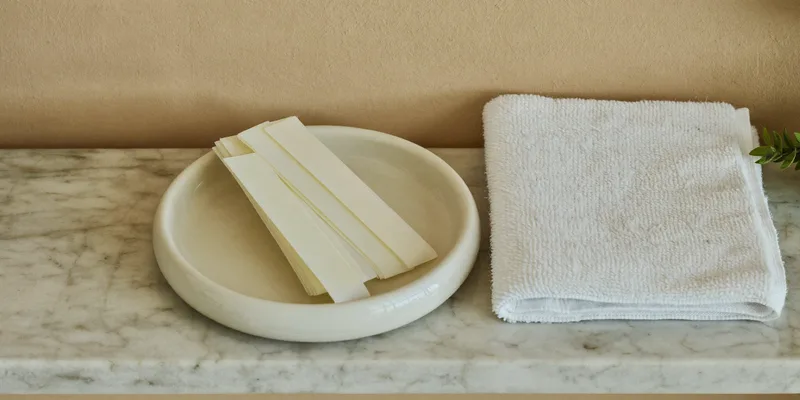
Silicone products come in two formats. Sheets are soft adhesive strips you place over the line and leave in place, washed and reused until they stop sticking. Gel is a thin liquid silicone you apply and let dry into an invisible layer, which suits areas where a sheet will not stay put or where clothing peels it off.
Whether either is appropriate for you is your doctor’s call. What owners talk about is practical: sheets lift at the edges in hot weather and after showers, gel is easier under clothing but has to be reapplied, and both need clean dry skin to work as intended. Buy the format that fits your day rather than the one with the loudest packaging.
Best if you want the reusable sheet format
Adhesive silicone sheets cut to length cover a long low incision and can be washed and reapplied. Owners consistently mention buying a longer strip and trimming it rather than fighting with pre-cut sizes.

Best if sheets will not stay put
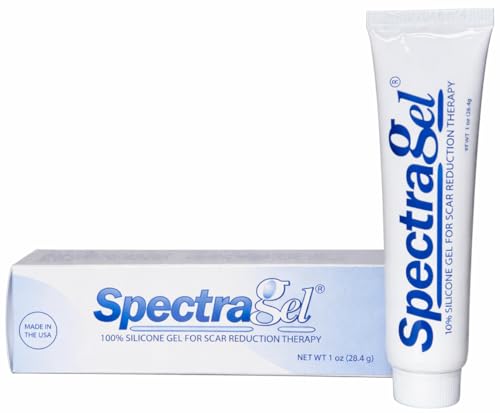
Silicone gel dries into a thin flexible layer and works where adhesive lifts, which is often the case at the edges of a waistband. Slower to apply, easier to live with under clothes.
Dry, Tight, Itchy Skin Around the Area
Separate from the scar itself, the skin across the lower abdomen is often dry and feels tight, and that is an ordinary comfort problem with an ordinary comfort answer. A plain unscented moisturizer or a simple oil, used on the surrounding skin rather than on the incision, is what most people reach for.
Keep it boring. Fragrance free, short ingredient list, nothing with an active ingredient you would want to look up. If you are breastfeeding, or if anything you are considering is medicated rather than cosmetic, run it past your doctor or a lactation consultant first.
Best for the surrounding skin
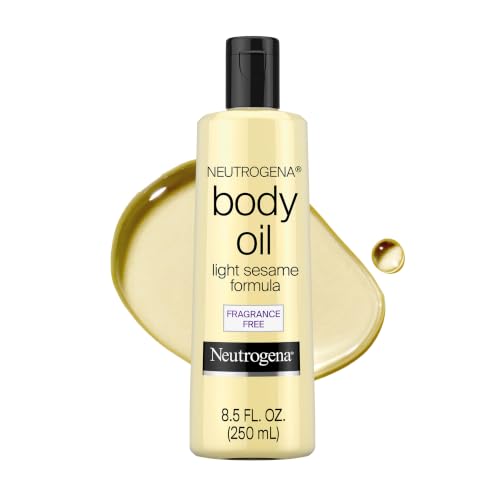
A fragrance free body oil or balm handles the dry, tight feeling across the lower abdomen without doing anything clever. Our ingredient guide covers what to look for on a label.
Clothing Is the Underrated Half
The most common daily irritation is not the scar, it is the waistband crossing it. Jeans, low rise leggings and anything with a seam at that height turn a manageable day into an annoying one, and switching to high waisted or seam free clothing solves it immediately and permanently.
This is where the money is best spent in the first months. High waisted briefs, soft high rise leggings and loose dresses take the pressure off the line entirely. See our guides to postpartum underwear and compression leggings for the specifics.
The Options Compared
| Option | What it physically is | Daily effort | Start when |
|---|---|---|---|
| Silicone sheet | Adhesive soft silicone strip | Place, wash, replace | Only when your doctor says |
| Silicone gel | Liquid silicone that dries clear | Reapply, wait to dry | Only when your doctor says |
| Plain oil or balm | Cosmetic moisturizer | Apply to surrounding skin | Ask at your postpartum check |
| High waisted clothing | Fabric that clears the line | None | Straight away |
Only the last row is a purely practical decision. The first three all pass through your doctor first.
What Owners Complain About
With sheets, the complaint is adhesion. They lift in heat, they lift after a shower, and they lift where a waistband rubs. People who get on with them describe applying to completely dry skin and choosing clothing that does not sit on the edge of the strip.
With oils and balms, the complaint is fragrance. Scented products on newly settled skin are frequently described as stinging or itching, and unscented versions are what reviewers recommend to each other. Anything that stings is a signal to stop and ask.
The Product Bought Too Early
The most common wasted purchase in this category is a kit ordered during pregnancy that then sits unopened for months because the go ahead came later than expected. There is no rush and no window to miss; ask first, buy second.
Frequently Asked Questions
When can I start using anything on the scar? When your doctor tells you the incision is closed and it is appropriate. That timing is individual, and it is the one question on this page that only they can answer.
Do silicone sheets work? That is a question about outcomes, and outcomes are your doctor’s territory rather than ours. Silicone is the format most commonly discussed for surgical scars, which is why it is on this page; whether it suits you is for them to say.
Is oil enough on its own? For the dry, tight feeling in the surrounding skin, plenty of people find a plain oil is all they use. For anything beyond comfort, ask your doctor rather than adding products.
Can I use these while breastfeeding? Check with your doctor or a lactation consultant, especially with anything medicated rather than cosmetic. It is a quick question and it removes the doubt.
What if the area is red, warm or painful? Contact your doctor rather than reaching for a product. That is not a scar care question, it is a call to make the same day.
What helps most day to day? Clothing that clears the line. It costs less than most of the products here and it works from the first day you wear it.
When to Ask a Professional Instead
Everything about how your scar is behaving, whether it is closed, whether it is sensitive in a way that seems unusual, and what if anything to put on it belongs with your doctor or your OB-GYN. If the area is tight enough to affect how you move, a pelvic floor physical therapist is the right person to ask about that. This page is about comfort products, and comfort products are the smallest part of the picture.
The Bottom Line
Wait for the go ahead from your doctor, then keep it simple: a silicone sheet or gel if they suggest one, a plain unscented oil for the surrounding skin, and clothing that sits well clear of the line. Skip anything that promises an outcome, because the outcome is not something a product page can promise. Read next: choosing a C-section recovery belt, and high waisted postpartum underwear.