Last updated: August 23, 2026
Two complaints show up constantly in pregnancy pillow reviews, and they are the same complaint at different stages. The first is that the pillow started to smell after a couple of months. The second is that somebody washed the whole thing to fix that, and it came out of the dryer as a lumpy, uneven object that never went back to its old shape.
Both are avoidable, and the rule behind avoiding them is short: the cover is the washable part, the core is not. Everything else is detail about how to get a five foot pillow through a domestic washing machine without ruining either the pillow or the machine.
This article contains affiliate links. If you buy through them, we may earn a commission at no extra cost to you. Learn more.
Quick Answer
How do you wash a pregnancy pillow?
- Wash the cover, not the core. Unzip it, cool or warm gentle cycle, mild detergent, no fabric softener.
- Air dry the cover or use low heat, because hot air shrinks a knit cover onto a pillow it no longer fits.
- Spot clean the core with a damp cloth and let it dry completely before the cover goes back on.
- Check your own care label first, since foam, fiberfill and bead cores each want something different.
Bottom line: the cover takes the sweat and the wear, so keep it clean and leave the core alone.
Why the Core Should Not Go in the Machine
A pregnancy pillow core is a large, absorbent mass that soaks up several times its dry weight in water. Memory foam clumps and tears under that load, fiberfill migrates into dense pockets that never redistribute, and a domestic drum struggles to spin any of it out. The result is the lumpy pillow people describe after one wash.
Manufacturers say the same thing in their own care guidance. Momcozy’s care advice and Frida’s support pages both direct owners to remove and wash the cover rather than the insert, and most care labels in the category repeat it. Check the label that came with your pillow before you do anything else, because it overrides any general guide.
Washing the Cover
Unzip the cover completely and turn it inside out so the side that touched you gets the water. Wash cool or warm on a gentle cycle with a mild liquid detergent, and skip fabric softener, which coats knit and moisture wicking fabrics and leaves them feeling slick rather than soft.
Zip the zipper shut before it goes in. An open zipper snags on itself and on anything else in the drum, and a broken cover zipper on a U shaped pillow is a genuinely annoying thing to replace.
Drying Without Shrinking It
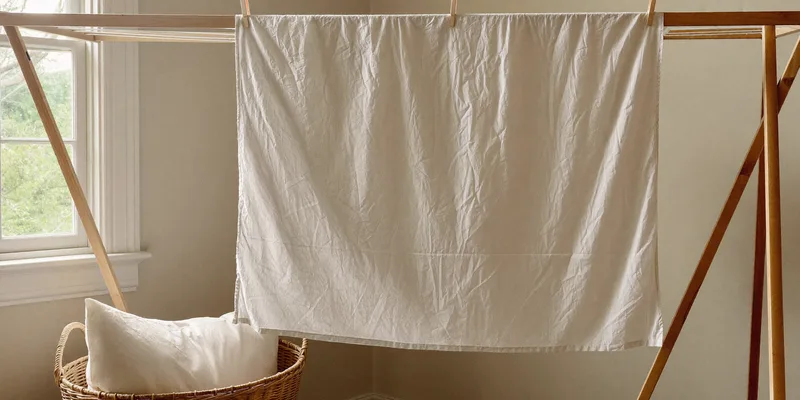
Air drying is the safe default, ideally flat or over a rail rather than pegged at one corner, which stretches the fabric. If you use a dryer, keep it on low. A jersey or bamboo blend cover that has been through high heat will fight you for twenty minutes when you try to get it back on the core.
Cleaning the Core Itself
For most cores, cleaning means a damp cloth, a little mild detergent, and patience. Blot rather than rub, work from the outside of a mark inward so you do not spread it, and then let the spot dry fully in moving air before the cover goes back on. Trapped damp is what creates the smell in the first place.
Airing is the underrated step. A pillow left uncovered near an open window for a few hours loses most of the stale smell that people reach for the washing machine to solve. Do this once a month and you will wash the core roughly never.
If Your Core Is Fiberfill and the Label Allows It
Some polyester fiberfill cores are labeled machine washable, and if yours is, use a front loading machine with no agitator, the gentlest cycle available, and a very low tumble with dryer balls to break up clumps as it dries. Expect it to take far longer than you think, and expect it never to be quite as even again. Bead and memory foam cores should not go in at all.
What Goes in the Machine and What Does Not
| Part | Machine wash | Drying | Watch out for |
|---|---|---|---|
| Zip off cover | Yes, cool gentle | Air dry or low heat | Shrinkage on knit fabrics |
| Memory foam core | No | Air only, spot clean | Clumping and tearing when soaked |
| Fiberfill core | Only if labeled | Low tumble, dryer balls | Fill migrating into dense lumps |
| Bead core | No | Air only, spot clean | Beads clumping and cover seams |
Care instructions vary by manufacturer, so the label on your own pillow is the document that decides. What the fill is made of is explained in our guide to pregnancy pillow fillings.
The Smell Problem, Solved Properly
A pillow that smells is usually a cover that has absorbed months of night sweat, not a dirty core. Wash the cover more often than feels necessary, particularly in summer, and the problem largely disappears. Every two weeks is a reasonable rhythm in warm months.
The second cause is a new foam core off gassing, which is a manufacturing smell rather than a hygiene one, and it fades with a few days of airing before first use. If your main issue is heat rather than smell, a cooler cover fabric is the better purchase, and our cooling pillow guide covers what actually helps.
Buy a Second Cover Before You Need It
The reason people wash the whole pillow is that the cover is in the machine and the pillow is unusable that night. A spare cover removes that problem entirely, and universal U shaped and C shaped covers fit most mainstream 55 and 57 inch pillows.
A Cooler Cover Is the Same Purchase
If you are buying a spare anyway, buy the jersey or satin version rather than a second plush one, so the spare doubles as your summer cover. Sizing and fabric options are covered in our pillow cover guide.


Frequently Asked Questions
Can I put the whole pillow in the washing machine? Only if the care label on your specific pillow says so, and even then only a fiberfill core in a front loader. Foam and bead cores should not be washed, which is why the cover unzips.
How often should I wash the cover? Every two to four weeks is a sensible rhythm, more often in summer. It is a bedsheet in practice, and treating it like one prevents the smell complaint entirely.
My pillow came out lumpy. Can I fix it? Sometimes. Dry it fully, then work the lumps apart by hand and tumble on no heat with dryer balls. If the fill has permanently migrated, read why pregnancy pillows lose their shape for what to do next.
Can I use bleach or a stain remover? Avoid bleach on colored covers and avoid anything harsh on the core. A mild detergent and patience does the same work without stripping the fabric or leaving a residue against your skin.
What about the smell of a brand new pillow? That is off gassing from new foam, not dirt. Take the cover off and air the core for a few days before first use, and it fades on its own.
Does washing shorten the life of the pillow? Washing the cover does not. Washing the core repeatedly does, which is the whole reason for the split. Keep the cover in rotation and the core stays intact.
The Bottom Line
Wash the cover cool and often, air dry it, spot clean and air the core, and check your own care label before you deviate from any of that. A spare cover is the cheapest upgrade in this whole category because it keeps the pillow in service and stops you doing the one thing that ruins it. Read next: choosing a replacement cover, and the pregnancy pillow buying guide if you are still choosing a pillow.