Last updated: August 23, 2026
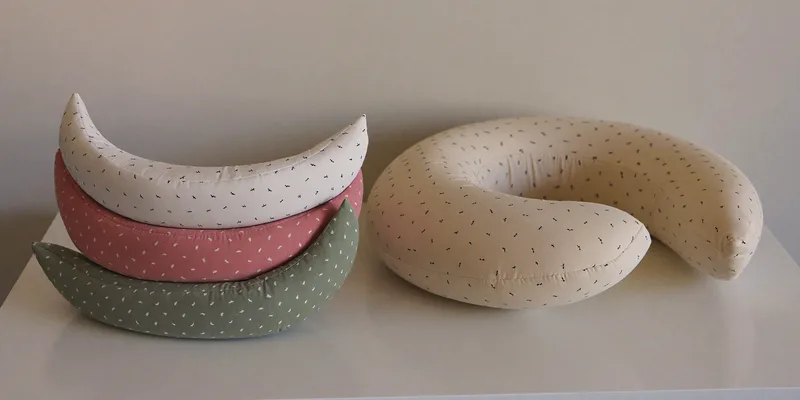
The cover is the part of a nursing pillow that actually gets used up. It catches spit up, leaked milk, cream from your hands and whatever the baby does at the end of a feed, and it does that six or eight times a day for months. The pillow underneath is usually fine long after the cover is not.
Buying spares is one of the few genuinely obvious purchases in this category, and it is also where people get caught out by sizing. Covers are made for a specific pillow shape, the naming is confusing, and a cover bought for the wrong model will not zip.
This article contains affiliate links. If you buy through them, we may earn a commission at no extra cost to you. Learn more.
Quick Answer
Which nursing pillow cover should you buy, and how many?
- Match the cover to your exact pillow model, not to the brand name alone.
- Two spares is the realistic number, so one can be in the wash and one on the pillow.
- Cotton and jersey wash and dry fastest; minky feels plush but takes longer to dry.
- Check the closure: a full length zip is far easier to wrestle on than a slipover.
Bottom line: buy the cover made for your model, in the fabric you will not mind washing twice a week.
Why Sizing Goes Wrong
Nursing pillow covers are shape specific, not universal. A cover cut for a soft open C curve will not fit a firm flat topped pillow with a back panel, and even within one brand the standard model and the newer or deluxe version can be different sizes. The listing photos look nearly identical, which is how the mistake happens.
Check the model name printed on the pillow itself or on its original tag before ordering, and read the compatibility line in the listing rather than assuming. If your pillow came in a set, the cover it shipped with is the reference.
The Two Families of Cover
Soft curved pillows take a slipcover with a zip along the inner or back edge, generously cut and easy to change. Firm belted pillows take a fitted cover that has to accommodate the strap and buckle, which is a tighter fit and usually a more expensive part.

Fabric, and What Each One Costs You
Cotton and cotton jersey are the default for a reason: they breathe, they wash hot, they dry quickly and they do not hold smells. Minky and plush fleece feel lovely and hide marks better, but they are warmer against a baby’s cheek and take noticeably longer to come out of a dryer.
Warmth is a real consideration in summer. A feeding baby is already pressed against you, and a thick plush surface underneath adds heat that some people find makes a fussy feed worse.
Water Resistant Layers
Some covers add a hidden waterproof backing to keep leaks off the pillow itself. It works, and it makes the cover less breathable and slower to dry. A reasonable compromise is one water resistant cover for the reflux stage and cotton for everything else.

How Many You Actually Need
Two spares on top of the one that came with the pillow. That gives you one in use, one clean in the drawer and one in the wash, which is the rhythm most people settle into once spit up becomes routine. Buying a single spare tends to mean sitting on a bare pillow while it dries.
If you are pumping or dealing with a lot of leaking, add one more rather than washing every day. Our page on breastfeeding comfort gear covers the rest of the small supplies that run out faster than expected.
Comparing the Choices
| Cover type | Feel | Wash and dry | Best for |
|---|---|---|---|
| Cotton or jersey | Cool, soft, familiar | Fast, tolerates hot washes | Everyday use and warm rooms |
| Minky or plush | Warm, very soft | Slow to dry, hides marks | Cold rooms and evening feeds |
| Water resistant backed | Slightly stiffer | Wipes clean, slower to dry | Heavy spit up phases |
| Fitted belted cover | Snug, structured | Fiddly to refit | Firm pillows with a strap |
Most households end up with two cotton covers and one plush or water resistant one, which covers both the weather and the messy weeks.
Washing Without Wrecking It
Follow the label rather than the internet, since the fabrics differ. As a general pattern, cotton covers take a warm machine wash and a normal dryer cycle, plush covers prefer a cooler wash and low heat, and hot drying is what shrinks a cover just enough to make the zip a fight.
Close the zip before washing so it does not catch, and put the cover back on while it is very slightly damp if it has shrunk a little, since it will ease into shape as it finishes drying.
Do Not Machine Wash the Pillow Itself Unless It Says So
Firm foam cores and some polyester fills are not made to go through a machine, and a soaked core takes days to dry properly. The cover exists precisely so the pillow does not need washing, which is another argument for owning spares.

One Thing a Cover Does Not Change
A softer, plusher cover does not make a nursing pillow a safe place for a baby to sleep, and in principle it moves in the wrong direction. The CPSC standard for nursing pillows is concerned with plush surfaces conforming around an infant’s face, which is exactly what the softest covers feel like.
The rule stays the same whatever is on the pillow: awake, supervised feeding only, and the baby goes onto a flat, firm, separate surface afterward, as the AAP’s safe sleep guidance sets out. Our safety page covers this in full.
Frequently Asked Questions
Will a cover from one brand fit another brand’s pillow? Usually not. The curves, thickness and closures differ, and belted pillows need an opening for the strap. Buy the cover listed for your model.
Are the cheaper multipack covers worth it? Often yes for cotton, where the fabric is simple and the fit is generous. On firm belted pillows the fit is tighter and the branded cover tends to sit better.
My cover shrank and will not zip. Can I fix it? Put it on slightly damp and let it dry in place, then wash cooler and dry on low from then on. If it still will not close, the zip is at risk and a replacement is cheaper than a broken pillow cover.
Do I need a waterproof one? Only if you are in a heavy spit up phase or the pillow doubles as a propping surface during bottle feeds. Otherwise the trade in breathability is not worth it.
Can I make my own? People do, using a large muslin or a fitted crib sheet wrapped and tucked. Keep any loose fabric away from the baby’s face and pull it tight, since a loose wrap is exactly the sort of soft surface safe sleep guidance warns about.
What if my baby’s skin reacts to a cover? Wash new covers before first use and switch to plain cotton. If the skin keeps reacting, ask your pediatrician rather than working through more fabrics.
If your baby develops a rash, sore skin or any reaction you are unsure about, ask your pediatrician rather than assuming it is the fabric.
The Bottom Line
Match the cover to your exact pillow model, buy two spares, and keep the plush ones for cold rooms rather than July. It is a small purchase that decides whether the pillow stays pleasant to use. Read next: choosing the pillow itself and getting the height right.