Last updated: August 23, 2026
The second time, the pregnancy book aisle is mostly answering questions you no longer have. You know what a contraction feels like, you know which symptoms are yours, and you have a hospital bag list burned into memory. What you do not know is how the first child is going to take this.
So the reading list changes shape completely. Almost nothing about pregnancy itself is worth rebuying, and the useful shelf is about siblings, logistics and the version of the early weeks where somebody else also needs breakfast.
This article contains affiliate links. If you buy through them, we may earn a commission at no extra cost to you. Learn more.
Quick Answer
What should a second time mom actually read?
- Skip the week by week reference; you have one, and the content has not changed.
- Buy something about siblings, which is the genuinely new problem.
- Add a picture book for the older child, because that is the practical preparation tool.
- Consider one book on the first weeks at home, since the second version is a different job.
Bottom line: one sibling book, one picture book and nothing about symptoms.
What You Do Not Need to Rebuy
The week by week reference, the birth preparation book you already annotated and the general pregnancy guide are all still on your shelf, and the content is essentially the same. Editions get updated, but not in ways that justify buying the same book twice.
The same goes for the labor manual your partner read. If it is still in the house, a reread is enough, and it is more likely to get read the second time because they now know which parts mattered.
The Exception
If your first birth was very different from what you expected, or if the plan this time is different, a birth focused book chosen for that specific situation can be worth it. That is a decision to make with your midwife or OB-GYN rather than from a bestseller list, since the medical picture is the part that decides it.
The Book About Doing It Twice
The Second Baby Book by Sarah Ockwell-Smith is written specifically for this situation, covering pregnancy number two, preparing a firstborn and the practical shape of life with two young children. It is the rare title in this niche that assumes you already know the basics.
The tone is conversational and it leans on the experiences of parents the author has worked with. Read it for the sibling and logistics chapters in particular, which is where it earns its place next to the books you already own.

The Sibling Problem
Siblings Without Rivalry by Adele Faber and Elaine Mazlish is the long standing recommendation here, and it is about how children are compared, spoken to and refereed rather than about the baby stage specifically. Most of it becomes relevant later, which is why it is worth owning rather than borrowing.
It is written as a workshop with exercises and dialogue examples, so it reads more like a practical course than a narrative. People who dislike that format tend to skim it, and skimming it still leaves you with the main ideas.

A Picture Book for the Older Child
This is the one that does real work. A simple story about a new baby arriving gives a toddler language for something abstract, and reading it repeatedly in the last weeks is more useful than any explanation you can improvise. Our page on books for big siblings covers the range by age.
![[By Joanna Cole] I'm a Big Sister-[Hardcover] Best Selling book f...](https://m.media-amazon.com/images/I/51luTxDEfNL.jpg)
What Changes Between the First and the Second
| Topic | First pregnancy | Second pregnancy | Buy something? |
|---|---|---|---|
| Symptoms and development | Constant questions | Mostly familiar | No, reuse your reference |
| Birth preparation | Entirely new | You have a baseline | Only if the plan changed |
| Siblings | Not applicable | The main new question | Yes |
| First weeks at home | Hard | Hard with an audience | Worth one book |
Two purchases from the bottom half of that table is a complete second pregnancy shelf.
The First Weeks, Second Edition
The early weeks at home are a different problem when a toddler is also in the house. Books about that period are mostly about rest, food and accepting help, and the value of reading one again is that it prompts you to arrange support in advance rather than improvising.
The First Forty Days by Heng Ou is the usual recommendation, built around nourishment and practical support rather than instruction. Our postpartum books guide covers the alternatives, and our recovery kit page covers the physical side.

The Keepsake Question
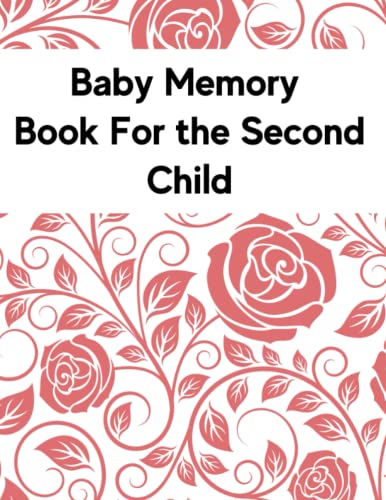
Second children famously get fewer photographs and thinner memory books, and plenty of people decide in advance to do something small rather than nothing. A short, low effort memory book with a handful of prompts is more likely to be filled in than an elaborate one.
The same logic applies to journals. Our pregnancy journal guide covers guided against blank formats, and the guided ones tend to win the second time because the prompts do the remembering for you.
Frequently Asked Questions
Do I need any pregnancy book at all this time? Probably not a general one. The reading that pays off is about siblings and about the first weeks with two, which are the parts you have no experience of yet.
When should I introduce the big sibling book? Late enough that the wait is not unbearable for a small child and early enough to read it many times. Repetition is what makes it work.
Is it worth rereading my old pregnancy book? Skim the birth chapter and ignore the rest. The symptom sections were written for a reader without a baseline, which is no longer you.
What about books on managing two under two? Useful if the gap is small, and largely logistics rather than parenting philosophy. The sibling books above cover most of what applies before the birth.
Should my partner read anything again? A skim of the labor manual is usually enough. Our books for partners page covers what suits someone who has done this before.
My first birth was difficult and I am anxious about this one. That is worth raising directly with your midwife or OB-GYN rather than researching. A book cannot tell you how your history affects this pregnancy.
If something about your previous birth or this pregnancy is worrying you, bring it to your midwife or OB-GYN. That conversation is the one that changes the plan, not the reading.
The Bottom Line
Keep your old reference, skip the general guides, and spend the money on the sibling question instead. One book for you, one picture book for the older child, and something about the first weeks if you want a third. Read next: the full books guide and picture books for the big brother or sister.