
Last updated: August 23, 2026
The postpartum belly wrap is one of the most searched and most argued about items in the recovery drawer. Some people describe it as the thing that made standing up and moving around the house feel less wobbly. Others put it on once, find it rolls up under the ribs within an hour, and never touch it again. Both experiences are common, and both are mostly about fit.
What a wrap is not is a shaping product or a fix for anything. It is a compression garment that holds the middle of your body firmly while you move. This guide explains the three types sold under the same search term, what to look at before ordering, and where the questions stop being about shopping and start being for your doctor or a pelvic floor physical therapist.
This article contains affiliate links. If you buy through them, we may earn a commission at no extra cost to you. Learn more.
Quick Answer
Which postpartum belly wrap should you choose?
- A tall single panel binder if you want firm, even hold and the simplest thing to put on.
- A three piece wrap if you want to adjust the waist, the belly and the hips separately.
- A pull on compression garment if the sound of hook and loop closures at six in the morning is a dealbreaker.
- Measure before ordering and go by the brand’s chart, not by your clothing size.
Bottom line: height and grip matter more than how firm a wrap claims to be. Whether wearing one suits you, and for how long, is a question for your doctor, midwife or a pelvic floor physical therapist.
What a Postpartum Wrap Does
A postpartum wrap is a wide band of firm fabric that fastens around the abdomen and holds it snugly. Owners describe the appeal in terms of feeling held together and less loose when standing, walking and lifting. That is a comfort effect and it is the honest description of what the product offers.
What it does not do is change your shape permanently, tighten anything on its own, or take the place of guidance from a professional. Manufacturers describe their garments as support wear, and that is the right frame for it.
Wrap, Binder or Compression Garment
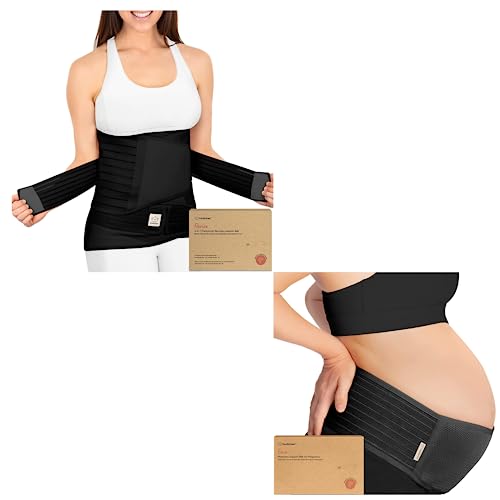
Three products sit behind one search term. A binder is a single tall panel with hook and loop fastening across the front. A wrap set is two or three separate bands, usually a belly band plus a waist or hip piece, each adjusted on its own. A compression garment is a pull on high waisted short or brief with no closures at all.
The binder is the simplest and usually the firmest. The wrap set is the most adjustable and the most fiddly. The pull on garment is the most wearable under clothes and the least adjustable once your size changes, which in this period it does.
Best if you want one simple, firm band
A tall single panel binder covers a lot of surface, distributes hold evenly, and takes seconds to fasten. Height is what stops it rolling, so choose the tallest one your torso can take.

Best if you want to adjust each area separately
A three piece wrap lets the belly, waist and hips be set at different tensions, which suits bodies that are not the same measurement everywhere. More straps to manage, better odds of a fit that stays put.
Height, Grip and the Rolling Problem
The single most common complaint about wraps is rolling: the band creeps up under the ribs or folds over at the waist and turns into a hard ridge. Two things cause it. The band is too short for the length of the torso, or the fabric has no grip and slides against skin and clothing.
Taller panels roll less. Silicone grip strips at the top edge help. Boning, the thin flexible stays sewn into some binders, keeps the panel from folding at all and is the feature owners of longer torsos mention most often. If a previous wrap rolled on you, height and boning are the two things to change.
Best if a previous wrap rolled up on you
A binder with flexible stays and a gripped top edge holds its shape against the body instead of concertinaing at the waist. Slightly stiffer to sit in, considerably less annoying to wear.

Sizing and Where It Sits
Order by measurement, not by dress size. Every brand publishes its own chart, the ranges overlap in odd ways, and the most repeated reviewer advice in this category is to measure your waist and hips at the point the garment will actually sit rather than at the narrowest point of your body.
Where it sits matters too. Most wraps are designed to cover from below the ribs to the hips, and a wrap that stops short of the hip bone will migrate. If you had a C-section, the position relative to your incision is the deciding factor, and that is covered in our guide to the C-section recovery belt.
The Three Types Compared
| Type | Closure | Adjustable | Suits |
|---|---|---|---|
| Single panel binder | Hook and loop front | One tension setting | Firm, even hold with minimum fuss |
| Three piece wrap | Multiple hook and loop bands | Belly, waist and hips separately | Uneven measurements, changing size |
| Pull on compression short | None | Not adjustable | Wearing under clothes all day |
| Binder with stays | Hook and loop plus boning | One setting, holds shape | Longer torsos, anyone whose wrap rolled |
None of these is a medical device or a substitute for advice, and the right answer for you may be none of them.
What Owners Complain About
After rolling, the most frequent complaints are noise and itch. Hook and loop closures are loud in a quiet nursery, and the rough side snags on everything else in the laundry basket. Garments with a fabric flap over the closure or a pull on design avoid both problems.
The other is heat. A wide panel of firm fabric across the middle is warm, and in summer that is a real reason people stop wearing one. Breathable knits and mesh panels exist and are worth looking for if you are shopping in warm weather.
The One Bought Two Sizes Too Small
Buying small in the hope of more compression is the classic mistake in this category, and the result is a garment that digs in, rolls and gets abandoned. Reviewers consistently describe going up rather than down. Firmness comes from how you fasten it, not from ordering a size you have to fight into.
Frequently Asked Questions
How long can I wear one for? That is a question for your doctor, midwife or a pelvic floor physical therapist rather than for a product page, and the answer depends on you. Manufacturers publish their own guidance in the manual, and your provider’s advice comes first.
Can I use my pregnancy belly band instead? They are built for different jobs and usually fit differently after birth. Our comparison of postpartum wraps and pregnancy belly bands goes through why one rarely does both well.
Does a wrap do anything about abdominal separation? Diastasis recti is not something a shopping guide should advise on. A pelvic floor physical therapist or your doctor can assess it and tell you what is appropriate for your body; a wrap is a comfort garment, not a program.
Can I sleep in it? Check the manufacturer’s instructions, and ask your provider. Plenty of owners say they found it too warm and too stiff to sleep in regardless of what the instructions allow.
Wrap or high waisted leggings? Different levels of hold and different situations. Leggings are easier to live in and go under clothes; see our guide to postpartum compression leggings for that side of the choice.
What about a faja? A faja is a firmer, more structured garment from a different tradition, and it comes with its own fit considerations. We cover it separately in the postpartum faja guide.
When to Ask a Professional Instead
A wrap is clothing, and clothing does not answer medical questions. If you have pain that is increasing, a heaviness or dragging sensation, concerns about an incision, or questions about abdominal separation or your pelvic floor, speak to your doctor, your midwife or a pelvic floor physical therapist. They can look at your actual situation, which is something no listing and no review can do.
The Bottom Line
Choose on height, grip and closure rather than on how firm a wrap claims to be, measure before ordering, and resist sizing down. A tall binder with stays suits most people who found a previous wrap rolled; a three piece set suits bodies that need different tension in different places. Read next: why a pregnancy band is not the same garment, and the full recovery kit.