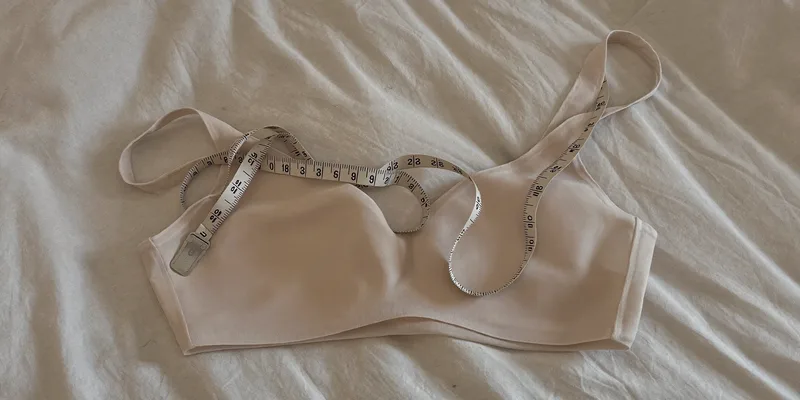
Last updated: August 23, 2026
Measuring for a nursing bra sounds like the same task as measuring for any other bra, and it mostly is. What makes it different is that you are measuring a body that has not finished changing, with a tape, on a day that is not representative of the next three months. That is why the usual advice to get professionally fitted is only half useful here.
The practical version is simpler than it looks. There are two measurements, one rule about which of them to trust, and one decision about when to take them. Everything else is brand specific, and the brand’s own chart is the document that decides.
This article contains affiliate links. If you buy through them, we may earn a commission at no extra cost to you. Learn more.
Quick Answer
How do you measure for a nursing bra?
- Take two measurements with a soft tape: snugly under the bust for the band, and loosely across the fullest part for the cup.
- Measure while wearing a soft unpadded bra or nothing, standing upright, tape level all the way around.
- Read both numbers into the size chart of the brand you are buying, not into a general chart, because nursing brands cut differently from each other.
- If you are between sizes, go up. The band can be tightened later, a cup that is too small cannot be made bigger.
Bottom line: two numbers, the brand’s own chart, and a bias toward the larger size while your body is still changing.
The Two Measurements
The band measurement is taken directly under the bust, with the tape snug and level, exhaling normally. The bust measurement is taken across the fullest part with the tape loose enough to lie flat without pressing in. Those two numbers, in that order, are what every nursing brand’s size chart is built on.
The difference between them is what conventional US bra sizing turns into a cup letter, with roughly one inch of difference for each step up the alphabet. Most nursing brands publish their own version of that table rather than relying on the convention, which is exactly why you should read their chart and not a generic one.
Get the Tape Right First
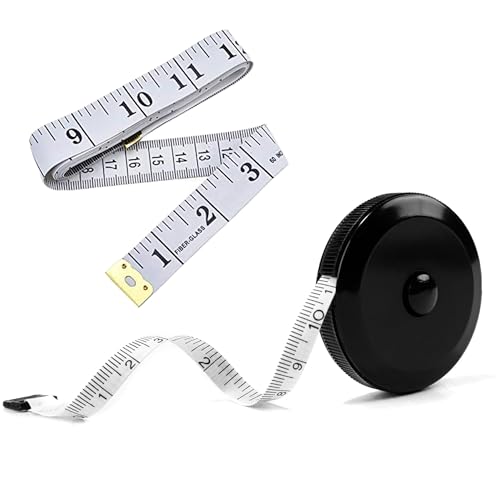
A metal tape or a stiff dressmaker’s tape will give you a number that is too small under the bust and too large across it. A soft flexible tape lies against the body without compressing, which is the whole point of the measurement. It costs almost nothing and it is the difference between a size that fits and a return label.
When to Take Them
Take your measurements late in pregnancy for the bras you will wear during pregnancy, and take them again a couple of weeks after birth for the bras you will wear while feeding. Those are two genuinely different sets of numbers, and the second set is the one that lasts longer.
Avoid measuring on the day your milk first comes in, when everything is at its fullest and nothing measured then will fit later. Measure at a normal moment in a normal day, after a feed rather than before it, so the number reflects the average rather than the peak. Our article on when to buy nursing bras covers the timing decision in more detail.
The Measuring Worksheet
Everything you need is in the table below. Take the two measurements in the order shown, note the time of day, and keep the numbers on your phone so you can compare them the next time you buy rather than measuring from scratch.
| Measurement | How to take it | When to take it | What it decides |
|---|---|---|---|
| Underbust (band) | Tape snug and level directly under the bust, breathe out normally | Late pregnancy, then again after birth | Whether the bra stays in place |
| Full bust (cup) | Tape loose and level across the fullest point, no compression | After a feed, not before | Cup letter or S to XL step |
| Difference between the two | Subtract the band figure from the bust figure | Same session, same posture | Which row of the brand chart you land in |
| Ribcage after birth | Same as the band measurement, repeated later | Once feeding has settled into a rhythm | Whether you need extenders or a new band |
Read those figures into the size chart published by the brand you are buying, since nursing brands set their own ranges and the letters do not transfer cleanly between them.
Reading a Nursing Brand’s Chart
Nursing bras are sold two ways: in traditional band and cup sizing, and in alphabetical S to XL sizing that bundles several band widths into one letter. The two systems are not interchangeable, and the alphabetical version is where most sizing complaints come from because it hides the band.
When a brand uses letters, look for the underbust range printed next to each letter and treat that as the real size. If you are at the top of a range, take the next letter up. If a brand only prints cup ranges and no band ranges, that is a sign the bra is a stretch style that will fit loosely, which is fine for sleep and less good for a full day out.
Size Up While Things Are Moving
Sizing up is standard advice in nursing bra reviews for a reason that has nothing to do with vanity. A band can be tightened with a smaller hook setting or held with an extender; a cup that is too small has no such fix, and the pressure it puts on full breasts is uncomfortable at best.

Checking the Fit Once It Arrives
Put the bra on the loosest hook setting and check four things: the band sits level all the way around, the cup contains everything without spilling or gaping, the straps do not carry the weight, and the clip opens and closes with one hand. If any of those fail, the size is wrong rather than the bra.
A band that rides up at the back is too loose, not too tight, which is the most common misdiagnosis in bra fitting. A cup that gapes at the top is usually a construction mismatch rather than a size error, and our guide to a nursing bra for a smaller bust explains why molded cups do that.
Frequently Asked Questions
Should I measure while pregnant or wait until after birth? Do both. Measure late in pregnancy for the bras you need now, and measure again once feeding has settled for the bras that will do the long haul. The two sets of numbers are usually different, especially around the ribcage.
How much does the band size change during pregnancy? It changes, and the amount is individual, so it is not worth quoting a figure at you. What matters is that it does change and then partly changes back, which is why adjustable bands and extenders exist. Measure rather than predict.
Can I use my pre pregnancy bra size as a starting point? As a starting point only. It tells you which end of a chart to look at, and nothing more reliable than that. Take the tape to it before you buy anything structured.
Do I measure with a bra on or off? Wear a soft unpadded bra or nothing at all. A padded or push up bra changes the full bust figure enough to put you a whole cup out.
Why do brands disagree about my size? Because there is no enforced standard, and nursing brands in particular cut for different body shapes and use different stretch fabrics. Always use the chart on the listing you are actually buying from, and treat other brands’ letters as a rough guide.
What if I am between two sizes? Take the larger one. This is the one piece of nursing bra advice that reviewers repeat almost universally, and it costs you nothing because a band can be tightened. Our seamless nursing bra guide explains why stretch styles in particular run small.
The Bottom Line
Two measurements, taken with a soft tape at a normal moment in the day, read into the size chart of the brand you are buying, with a bias toward the larger size while your body is still changing. Keep the numbers, retake them after birth, and buy structured bras only once the second set has stopped moving. Read next: the full nursing bra guide and what changes at a fuller bust.