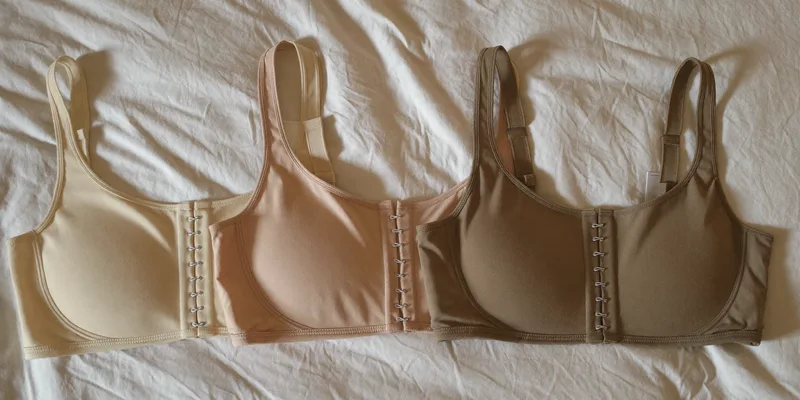
Last updated: August 23, 2026
Buying a nursing bra is a strange purchase because you are shopping for a body that has not arrived yet. Your size will change during pregnancy, change again in the first week after birth, and settle somewhere else entirely a couple of months later. Nobody can tell you in advance where it lands.
What you can do is buy the right kind of bra for each of those stages instead of trying to find one bra that covers all of them. That is the mistake behind almost every three pack sitting unworn in a drawer, and it is the thing this guide is built around.
This article contains affiliate links. If you buy through them, we may earn a commission at no extra cost to you. Learn more.
Quick Answer
Which nursing bra should you buy?
- Seamless stretch multipacks are cheap, comfortable and light on support; they suit smaller cup sizes and lounging.
- A structured single bra with a real band is what larger cup sizes need for daytime wear.
- Buy a sleep bra separately; it is a different garment doing a different job.
- Sizing up is the standard advice for a reason, since sizes change more than once.
Bottom line: buy a couple of cheap seamless bras plus one properly supportive bra, not six of the same thing.
The Two Kinds of Nursing Bra
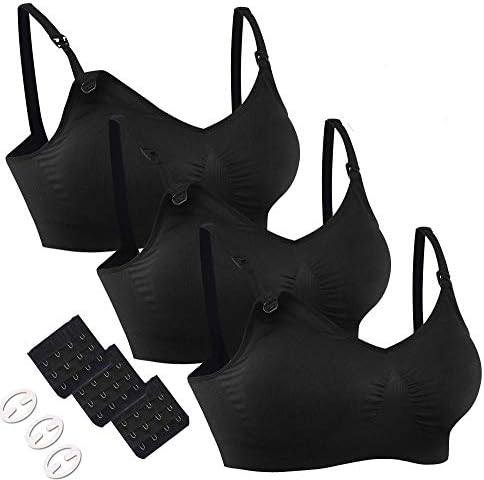
Almost everything on the market is one of two designs. Seamless stretch bras are pullover style with soft cups, drop down clips and no structure to speak of, sold in multipacks. Structured nursing bras have a proper band, shaped cups, adjustable straps and a firmer fit, and are sold individually.
The multipacks dominate the sales charts because they are comfortable, cheap and forgiving of a changing size. They also generate the most disappointed reviews, and the complaint is always the same word: support. Neither design is wrong, they just answer different needs.
The Support Problem
The pattern in owner reviews is consistent and worth naming plainly. People buy a seamless multipack, find it comfortable for the first week, and then report that it gives too little support once they are back on their feet, with tightening the straps making no real difference. Going back to an old regular bra is a common ending.
The reason is structural. Support in a bra comes from the band, not the straps, and a fully stretchy band has nothing to anchor against. That is fine at smaller cup sizes and increasingly not fine as cup size goes up, which is why our guide to nursing bras for large busts exists as a separate article.
What a Supportive Nursing Bra Looks Like
Look for a firm band with several hook and eye positions, wider straps, cups that are seamed or shaped rather than a single stretch panel, and side panels with some structure. Those four features are the difference between a bra that holds and a bra that is comfortable while you sit still.

Sizing, and Why Everyone Says Size Up
Your size moves several times: through pregnancy, sharply in the first days after birth as your milk comes in, and then again as feeding settles. A bra bought to fit exactly at one of those points is likely to be wrong at the next, which is why sizing up is close to universal reviewer advice.
The practical approach is to buy stretchy bras a little generous and to delay buying the expensive structured bra until later in pregnancy or after birth. Our guides to measuring for a nursing bra and when to buy them cover the timing in detail.
Sleep Bras Are a Separate Purchase
A sleep bra is soft, wire free, low compression and easy to open in the dark with one hand. It is not trying to give support, because you are lying down. Trying to use a daytime bra overnight is uncomfortable, and trying to use a sleep bra as a daytime bra brings you straight back to the support complaint.
Most people want more sleep bras than they expect, because leaking and night feeds mean they get changed often. Our guide to nursing sleep bras covers what to look for and how many is realistic.

Pumping Is a Different Garment Again
If you will be pumping, a bra that holds flanges hands free is its own category and its own problem. The bestselling hands free pumping bra on Amazon carries one of the lowest ratings in the top of that category, and the complaints cluster around flanges not being held in place by the side panels.
Some designs pull on over a nursing bra, others replace it, and which pump you use genuinely matters. Our guides to pumping bras and flange fit by pump cover the differences before you spend money on the popular one.

What to Buy, by Situation
| Type | Construction | Support level | Buy it for |
|---|---|---|---|
| Seamless multipack | Stretch band, soft cups, clips | Light | Home, early weeks, smaller cup sizes |
| Structured nursing bra | Firm band, shaped cups, wide straps | Full | Daytime, out of the house, larger cups |
| Sleep bra | Soft, wire free, pullover or clip | Minimal by design | Nights and leaking |
| Pumping bra | Reinforced front with flange openings | Varies widely | Hands free pumping sessions |
Most people end up with three of these four, which is why buying six identical seamless bras up front rarely works out.
Brands Worth Knowing
In the seamless multipack space, HOFISH and similar multipack brands dominate the bestseller lists, offering three or four bras with extenders and clips for the price of one structured bra. HOFISH itself advises considering one size larger while pregnant or breastfeeding, which tells you something about how these fit.
At the structured end, Kindred Bravely is the name that comes up most, with a range extending well into larger cup sizes. The brand sells heavily through its own site as well as Amazon, so the exact model and size you want is not always available in both places. Our Kindred Bravely guide covers which models to look for.
How Many Do You Actually Need
Fewer than the checklists say, and in more than one style. A workable starting point is two or three soft bras for home and nights plus one properly supportive bra for leaving the house, then buying more of whichever one you keep reaching for. Our article on when to buy covers the timing.
Frequently Asked Questions
Do I need to size up? Usually yes, particularly in stretch fabrics that relax with wear. Sizes also change more than once between pregnancy and settled feeding, so buying a snug fit at one moment tends to be a short lived success.
Can I just wear a regular bra with clips? A regular bra without clips means fully undressing to feed, which gets old fast. A nursing bra with one hand clip down cups is the practical difference, and our comparison covers whether it is worth the change.
Are underwire nursing bras a problem? Opinions differ and it depends on fit rather than on the wire itself. If you want a definite answer for your own situation, ask a lactation consultant, since poor fit is the part that matters and that is what they look at.
Why do seamless bras feel unsupportive after a few weeks? Stretch fabric relaxes with washing and wear, and support in a bra comes from the band. A band with no structure has nothing to hold against, so the drop off is built into the design rather than a manufacturing fault.
Should I buy before or after birth? Buy soft, stretchy bras late in pregnancy and delay the expensive structured bra until your size has settled. Buying the good bra early is the most common way to waste money here.
What if nothing fits properly in my cup size? That is a very common experience above a D cup and it is the subject of its own article. Start with nursing bras for large busts rather than working through more multipacks.
If feeding itself is uncomfortable, or if a bra seems to be making it harder, that is worth raising with a lactation consultant or your midwife rather than solving by buying a different bra.
The Bottom Line
Buy for the stage you are in and buy two kinds rather than six of one. Cheap seamless bras for home, one properly structured bra for the days you leave the house, a sleep bra for nights, and a pumping bra only if you will actually pump. Read next: the support problem above a D cup and how to measure.