Last updated: August 23, 2026
Hypnobirthing is the birth topic people are most likely to have heard about and least likely to be able to describe. The name suggests a stage act, the books insist it is nothing of the kind, and somewhere in between is a set of breathing patterns, relaxation scripts and recorded tracks that you are supposed to practice for weeks before the day.
That practice requirement is the part worth knowing before you spend anything. These are not books you read once. They come with audio, they ask for daily repetition, and readers who treated them as ordinary birth books almost always say the same thing afterward: they did not do the homework. This guide describes what each of the main titles asks of you, what the authors themselves claim, and who tends to get on with the approach.
This article contains affiliate links. If you buy through them, we may earn a commission at no extra cost to you. Learn more.
Quick Answer
Which hypnobirthing book should you start with?
- Want the original method as its founder set it out: the Mongan Method book is the source text.
- Want a gentler, more modern tone with less new vocabulary: Sophie Fletcher’s mindful approach reads more like a calm handbook.
- Want something practical you can start this week: Siobhan Miller’s book is the shortest route in.
- All of them ask for daily practice with audio. A book alone, unopened until week thirty eight, is not the method.
Bottom line: pick on tone and on how much practice you will realistically do, and talk any birth plan through with your midwife.
What the Books Say Hypnobirthing Is
The authors describe hypnobirthing as a set of self hypnosis, breathing and deep relaxation techniques practiced in advance so they are available during labor. Most also change the vocabulary deliberately, using words like surge and wave in place of contraction, on the argument that language shapes expectation. That is the authors’ framing, not a claim we are making.
What every book in this category has in common is structure. There are scripts to read, tracks to listen to, and a routine to keep up over weeks. Whether the approach suits you is a question for you and your midwife, and it sits alongside your care rather than replacing any part of it.
The Mongan Method: The Source Text
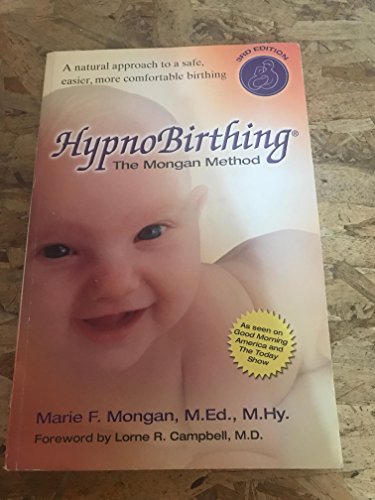
Marie Mongan’s HypnoBirthing: The Mongan Method is the book that made the term familiar in the United States, and the wider program of classes and practitioners grew out of it. If you want to read the approach as its founder set it out, including the reasoning and the full vocabulary, this is the one.
Be ready for the tone. It is the most emphatic book in the category, it makes a broad case rather than a modest one, and readers who wanted a neutral handbook often find it heavy going. Reviewers who love it tend to describe the philosophy as the point; reviewers who bounce off it tend to have wanted techniques without the argument.
Mindful Hypnobirthing: The Calmer Entry Point
Sophie Fletcher’s Mindful Hypnobirthing is the title most often recommended to people who like the sound of the techniques and not the sound of the branding. It leans on mindfulness language rather than a proprietary vocabulary, and it reads more like a relaxation handbook that happens to be about birth.
It is also the easier one to keep going with, because the exercises are short. If your realistic practice window is ten minutes before sleep rather than a scheduled session, this is the book built for that. Owners frequently mention using the recordings well past the birth, simply as a way to wind down.

The Practical Modern Version
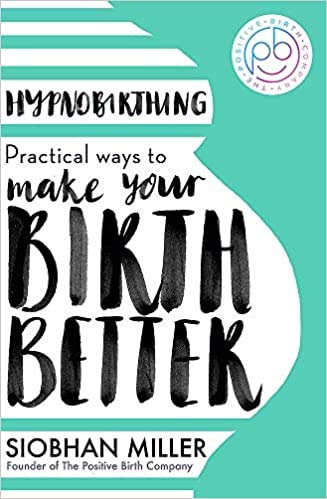
Siobhan Miller’s hypnobirthing book is the shortest way into the practice for someone who wants the techniques and a plan, without a long philosophical preamble. It is organized as a course you work through, which suits readers who want to know exactly what to do on which day.
Who This Version Suits
People who are skeptical but curious tend to do best with this one, because it does not ask you to buy into a worldview before it teaches you anything. It also works well for partners, who are given a defined role rather than a supporting one, and that tends to make the practice actually happen.
The Audio Is the Part That Matters
Every one of these books either includes recordings or points you to them, and the recordings are where the practice lives. Readers who describe the approach working for them almost always describe listening to the same tracks repeatedly over weeks. Readers who describe it doing nothing usually read the book and skipped the audio.
Check what comes with your edition before you buy. Some paperbacks include a download code, some point to an app, and secondhand copies often have the code already used. If you prefer listening to reading in general, our pregnancy audiobooks guide covers the wider audio shelf.
The Three Books Side by Side
| Book | Tone | Practice load | Suits |
|---|---|---|---|
| The Mongan Method | Emphatic, philosophy first | Full program, scripts and sessions | Readers who want the original approach |
| Mindful Hypnobirthing | Calm, mindfulness language | Short daily exercises | Anyone put off by the branding |
| The practical course version | Direct, step by step | Structured weekly plan | Skeptics, partners, late starters |
| Any of the three | Varies | Audio repeated over weeks | People who will actually press play |
This table compares the style and structure of each book, not its results. What any technique does during your own labor is not something a book, or this page, can tell you.
What These Books Do Not Do
They do not replace your antenatal care, they do not decide anything about pain relief for you, and they cannot tell you how your labor will go. The better authors say this plainly, usually early. Any book in this category that suggests otherwise is overselling itself.
They also do not lock you into anything. Plenty of readers use the breathing and the relaxation tracks and then have an epidural or a C-section, and the techniques are still theirs to use. If you are weighing up whether this approach fits your circumstances, that conversation belongs with your midwife or OB-GYN, who knows your history and your options.
Frequently Asked Questions
Is a book enough, or do I need a class? A book plus the audio is the cheapest complete version of the practice, and plenty of people use nothing else. A class adds accountability and a partner who has been shown what to do, which is the main reason people pay for one.
When should I start? Most of these books are written around a run up of several weeks, because the practice is the point. Starting in the last fortnight is possible, and readers who do it usually say they got the breathing but not the rest.
Can I use the techniques if I am planning an epidural? Yes. The breathing and relaxation are not tied to one route through the day. Talk your plan through with your midwife, who can tell you how it fits the care you will be getting.
Does my partner need to read it too? The partner sections are short and they are the ones that get used in the room. At minimum, have them read that chapter. Our books for partners guide covers what else is worth handing over.
What if I find the language irritating? That is a common reaction to the vocabulary in the older texts. Pick the mindfulness flavored book instead, or use the audio and skip the terminology. Nothing about the breathing depends on what you call a contraction.
The Bottom Line
Choose on tone and on the practice you will genuinely keep up: the source text if you want the full method, the mindfulness version if the branding puts you off, the course style book if you want a plan. The audio is the part that gets used. Read next: our childbirth books guide for the wider birth shelf, and birthing balls for the physical side of labor prep.