Last updated: August 23, 2026
Jeans are the garment people hold onto longest and give up on most reluctantly. There is a stretch of pregnancy where the old pair still buttons if you lie down, then a stretch where a hair tie through the buttonhole is doing all the work, and then a morning where the whole arrangement is simply over. Buying maternity jeans is usually a decision made in a hurry.
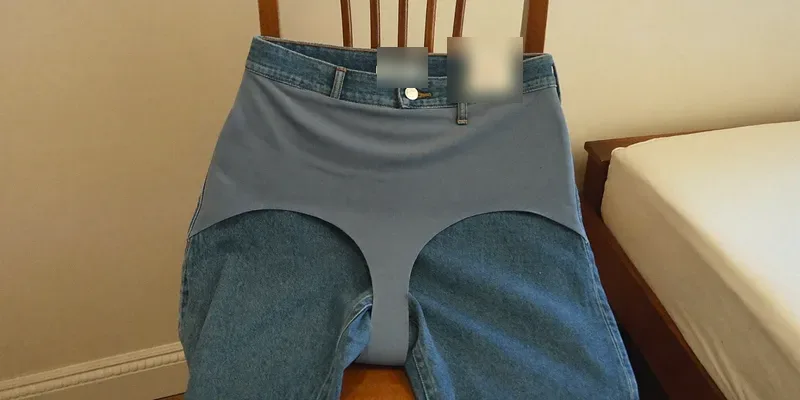
The good news is that the category has only three real options, and they are easy to tell apart: a full panel that covers the bump, a side panel that leaves the front alone, or no panel at all with a stretch waistband. Which one suits you depends less on your bump and more on what you wear on top.
This article contains affiliate links. If you buy through them, we may earn a commission at no extra cost to you. Learn more.
Quick Answer
Which maternity jeans should you buy?
- Full panel is the safest single purchase. It holds the jeans up, grows with you, and works under longer tops.
- Side panel jeans look most like regular jeans from the front and are the choice if you tuck or wear cropped tops.
- Buy your pre pregnancy size. Maternity denim is cut to your normal hip and leg with the room added at the waist.
- Check the rise and the inseam in the size chart. A panel that sits too low is the reason most pairs get returned.
Bottom line: one full panel pair in your usual size, and a side panel pair only if you dislike the look of a panel.
When to Switch Out of Your Own Jeans
There is no calendar date for this. Most people switch when the button stops closing comfortably or when sitting down becomes the deciding factor, which usually happens somewhere in the second trimester and earlier in a second pregnancy. Bodies and denim both vary too much for a rule.
The stopgap everyone tries first is a hair tie or a belly band worn over an unbuttoned pair, and it genuinely buys a few weeks. Our belly band guide covers that use, which is the original reason those bands existed before they became support products.
Full Panel, Side Panel, or No Panel
A full panel is a wide band of soft stretch knit sewn to the top of the jeans that comes up over the whole bump. It holds the jeans in place better than anything else, adapts as the bump grows, and is completely hidden under a normal length top.
A side panel replaces only the hip sections with stretch and keeps a denim front with a real waistband, so from the front the jeans look ordinary. No panel styles use a wide flat elastic band low on the hips. Both slide down more than a full panel does, which is the price of the look.
Which One Matches Your Tops
If your tops cover the waistband, buy the full panel and stop thinking about it. If you tuck, wear cropped tops, or want to keep wearing your own belts, the side panel is the one that photographs the way you expect. Owners who bought the opposite of what their wardrobe wanted are the ones writing the disappointed reviews.

Sizing: Your Old Number, Not a Bigger One
Maternity denim is cut to your pre pregnancy hip and leg measurements, with the expansion built into the panel. Take your usual size. Sizing up gives you jeans that are loose in the seat and thigh, which is exactly where denim needs to fit to stay up.
Two numbers do change. Hips widen for many people, so if your usual size was already snug at the hip, take the next one. And the inseam matters more than usual, because a panel changes where the waist sits and therefore how long the leg reads. Check both in the brand chart rather than assuming.
Denim Weight and the Sagging Problem
The most common complaint about maternity jeans is that they slide down through the day, and the cause is usually a heavy denim hung from a light panel. A firmer, taller panel and a slightly stretchier denim hold together better than a rigid classic denim with a thin band.
Very stretchy jegging style denim solves the sagging entirely and loses the jeans look in exchange. That is a fair trade for many people and a dealbreaker for others, which is why it is worth deciding before you order rather than after.
Maternity Jeans by Situation
If You Are Buying One Pair for the Whole Pregnancy
Full panel skinny or straight leg denim in your usual size is the pair that keeps working from the second trimester onward. It is also the pair that stays up while you carry a laundry basket, which is not a small thing.

If You Want Them to Look Like Regular Jeans
Side panel jeans keep a denim front and a visible waistband, so nothing reads as maternity from the front. Expect to pull them up more often than a full panel pair.
If You Want the Comfort of Leggings in Denim
Maternity jeggings use a soft stretch denim with a full panel and behave much more like leggings, which is why they get worn on travel days and long car journeys.

If You Want a Looser Fit
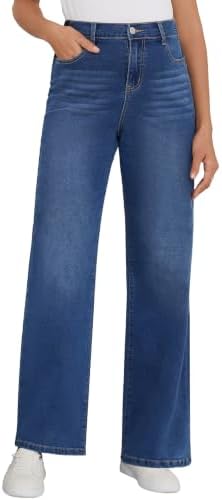
Wide leg, bootcut, and boyfriend cuts in maternity denim have come back, and the extra room through the leg is welcome in warm weather. Check the rise carefully, since looser cuts often pair with a lower panel.

The Four Options Compared
| Option | Waist style | Stays up | Suits |
|---|---|---|---|
| Full panel denim | Knit panel over the bump | Best | One pair for the whole pregnancy |
| Side panel denim | Denim front, stretch hips | Moderate | Tucked and cropped tops |
| Maternity jeggings | Full panel, soft denim | Best | Travel and long days sitting |
| Bootcut or wide leg | Usually full panel | Good, check the rise | Warm weather and looser fits |
The panel height listed in the size chart tells you more about how a pair will behave than the cut name does, so read that line first.
What Owners Complain About
Sagging leads, and it is a panel height and denim weight problem rather than a size problem. Going up a size makes it worse, because looser denim through the seat gives the panel less to hold. Reviewers who solved it describe going to a taller panel, not a bigger pair.
The second complaint is a panel that folds over at the top when you sit. Some people simply fold it down on purpose and treat it as an under the bump pair, which works. If you want to avoid that entirely, our over the belly versus under the belly comparison applies to denim just as well as to leggings.
Frequently Asked Questions
When should I buy maternity jeans? When your own pair stops closing comfortably, which for most people happens in the second trimester and earlier in a second pregnancy. A belly band over an unbuttoned pair is the usual bridge until then.
Do I size up in maternity jeans? No. They are cut to your pre pregnancy hip and leg with the room in the panel. Size up only if your hips have genuinely changed or your usual size was already tight there.
Full panel or side panel? Full panel holds up better and disappears under normal length tops. Side panel looks like regular denim from the front and suits tucked or cropped tops. Your wardrobe decides more than your bump does.
Why do my maternity jeans keep sliding down? Almost always a short panel paired with heavy denim, made worse if you sized up. A taller panel and a stretchier denim is the combination that stays put.
Can I wear them after the birth? Many people do for a while, especially full panel pairs, because a soft panel is more comfortable than a waistband on a changed middle. Folding the panel down turns them into an under the bump pair.
How many pairs do I need? One that fits well beats three that do not. Add a second only if you need a different color or a dressier wash for work, which our maternity workwear guide covers.
The Bottom Line
Buy your usual size, choose the panel that matches the tops you actually wear, and check the panel height before the cut name. One good pair of full panel denim outlasts a drawer of compromises. Read next: maternity leggings for the days denim is too much, and what you actually need in maternity clothes.