
Last updated: August 23, 2026
Somewhere in the second trimester the bump stops being a shape and starts being a weight. It pulls forward when you stand up from a chair, it drags on your lower back by the end of a grocery run, and the waistband of every pair of pants you own has quietly given up. That is usually the week someone types “belly band” into a search box.
What comes back is confusing, because two completely different products share that one search term. One is a soft tube of fabric that covers an unbuttoned waistband. The other is a structured belt with a rigid panel and adjustable straps that lifts the bump. They cost roughly the same, they sit in the same category, and buying the wrong one is the single most common regret in this corner of the store.
This article contains affiliate links. If you buy through them, we may earn a commission at no extra cost to you. Learn more.
Quick Answer
Which belly band should you buy for pregnancy?
- Buy a soft seamless band if the problem is clothing: unbuttoned pants, a gap between shirt and waistband, a smooth layer under a work top.
- Buy a structured support belt if the problem is load: your bump feels heavy, your lower back aches by evening, or you are on your feet all day.
- Measure your bump at its widest point rather than going by your pre pregnancy size, because sizing on both types runs off that number.
- Neither one is a substitute for having discomfort looked at, and both are meant to be worn on top of, not instead of, advice from your provider.
Bottom line: soft band for clothes, structured belt for weight. Most people who are disappointed bought the other one.
Two Products, One Search Term
A belly band and a maternity support belt are not variations of the same thing. The band is a wide, stretchy, seamless tube worn over the waistband to hold pants up and cover skin. The belt is a firmer piece with a shaped front panel and hook and loop straps, built to carry some of the bump’s weight on the hips.
Listings blur this constantly, which is why owners report ordering what they thought was a support belt and getting a stretchy sleeve, or the reverse. Our full breakdown lives in belly band versus maternity belt, and the structured side gets its own guide in maternity support belts.
The Soft Band: A Clothing Solution
A soft belly band solves a wardrobe problem. It lets you keep wearing your own jeans with the button open, it covers the strip of skin that appears when maternity tops ride up, and it smooths the transition at the waistband so nothing digs in. Many people wear one daily from the first bump through the early weeks after birth.
What it does not do is carry weight. The fabric stretches, which is exactly what makes it comfortable and exactly why it cannot hold a heavy bump up. If you want one thing that keeps your pants on and disappears under a shirt, this is the one. If you want lift, keep reading.
Where the Soft Band Wins
Seamless bands layer well, wash easily, and pack flat. They are the sensible first purchase in the second trimester, before the bump is heavy enough to need structure, and they extend the life of clothes you already own instead of pushing you straight into a full maternity wardrobe. Sizing runs off your bump measurement, and reviewers consistently mention sizing up rather than down.
The Support Belt: Structure Under the Bump
A maternity support belt has a firm panel that sits under the bump and straps that anchor it around the hips and lower back. It is designed to take some of the forward pull off the lower back and to make standing, walking, and getting out of a car feel steadier. That is a comfort function, not a medical one.
The trade is bulk. A belt is visible under fitted clothing, it warms up in summer, and it needs adjusting through the day as the bump changes shape. Most owners wear one for specific activities rather than continuously, and the guidance in how long to wear a belly band is worth reading before you build a habit around it.
Belly Bands by Situation
Everyday Wear Under Normal Clothes
The seamless soft band is the default first buy. It goes over unbuttoned pants, sits flat under a shirt, and does not announce itself. KeaBabies is the archetype of this style and shows up repeatedly in the Amazon top sellers, usually in multipacks of neutral colors so one can be in the wash.

A Heavy Bump and an Aching Lower Back
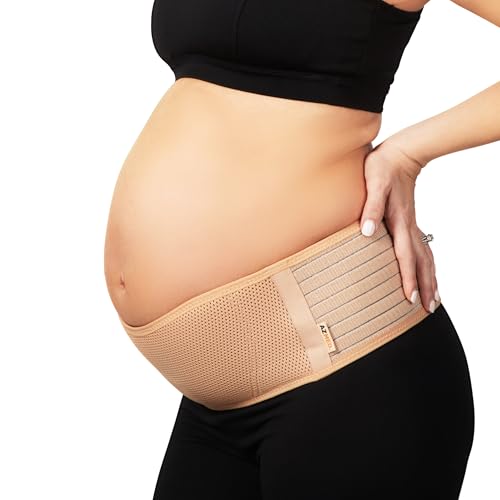
When the complaint is weight rather than waistbands, the structured belt is the answer. AZMED’s maternity belt is the highest volume product in this category by a wide margin, with a shaped underbelly panel and a single adjustable strap, and owners describe it as the one they reach for on long days.
More Adjustment Than a Single Strap
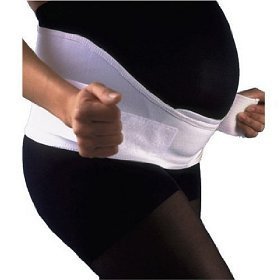
Some bumps need firmer, more precise adjustment than one strap allows, especially later on when the shape changes week to week. Gabrialla’s elastic maternity support belt uses a wider back panel and more adjustment range, which suits people who found a basic belt either too loose or too concentrated in one spot.
A Straightforward, Lightweight Belt
NeoTech Care’s pregnancy support belt is the lighter, plainer take on the structured belt: breathable panel, simple closure, less material overall. It suits warm climates and anyone who found the heavier belts too hot to wear for long, which is a common complaint in summer.

Something That Carries Over After Birth
Belly Bandit builds both pregnancy and postpartum pieces, and the Upsie Belly sits in the first group with a wrap style closure rather than a fixed belt shape. If you want one brand ecosystem across both stages, this is the usual route, and the postpartum half is covered in postpartum belly wraps.

The Five Options Compared
| Option | Type | Adjustment | Suits |
|---|---|---|---|
| Seamless soft band | Stretch tube | None, sized to fit | Unbuttoned pants, layering |
| Underbelly support belt | Structured panel | Single strap | Heavy bump, long days on your feet |
| Wide panel support belt | Structured panel | Multi point, wider back | Changing shape, firmer hold |
| Lightweight support belt | Structured, breathable | Simple closure | Warm weather, less bulk |
| Wrap style support | Wrap closure | Wrap tension | One brand across both stages |
Whatever the row, the sizing number that matters is the measurement around the widest part of your bump, taken today rather than at your booking appointment.
What Owners Complain About
Three complaints repeat across the whole category. Bands and belts roll or curl at the top edge when the fit is too tight. Structured belts slide down over the course of the day, which is usually a sizing or a positioning problem rather than a defect. And both types get hot, because the whole point is an extra layer of compressive fabric across your middle.
The other pattern worth knowing is that expectations are often set too high. A band supports a bump; it does not resolve why something aches. Reviewers who describe the biggest disappointment are almost always the ones who bought one product hoping it would settle a specific problem on its own.
Fit Problems You Can Fix Yourself
Rolling usually means the band is a size too small or is sitting too high on the ribs. Sliding usually means the belt is fastened above the hip bones rather than resting on them. Both are covered step by step in how to wear a belly band, and the measuring question is answered in belly band sizing.
Frequently Asked Questions
Do I need a band or a belt if my only problem is pants? A soft seamless band is enough. It exists to bridge the gap at your waistband and keep unbuttoned pants up, and it costs you nothing in bulk under clothing. A structured belt would be more product than the problem needs.
Can I wear a belly band all day? Most manufacturers describe theirs as something to wear during activity rather than continuously, and many owners take a belt off when sitting for long stretches. There is no single correct number of hours, so follow the instructions that come with your product and ask your midwife or provider if you are unsure.
Should I size up? Usually yes, and reviewers say so consistently. Sizing is based on the measurement around the widest point of your bump, and that number is still going up. Between two sizes, the larger one stays usable for longer.
Will it show under my clothes? A seamless band is essentially invisible under anything that is not skin tight. A structured belt shows as a line under fitted tops and is more noticeable in thin summer fabrics, which is why some people keep both.
Can I keep wearing it after birth? A soft band, yes, and many people do. A pregnancy support belt is shaped for a bump and generally does not fit well afterward, which is what the separate postpartum category exists for.
Is it safe for the baby? A band or belt is worn on the outside and is not compressing anything the way a corset would, but comfort is the honest limit of what anyone here can tell you. Anything that feels tight, painful, or wrong is a question for your provider rather than for a product page.
When to Ask a Professional Instead
A band is a comfort tool and nothing more. If discomfort in your back, hips, or pelvis is sharp, one sided, getting worse, or interfering with walking, that is worth a conversation rather than a purchase. Talk to your midwife, your OB-GYN, or a pelvic floor physical therapist, who can look at what is actually going on and tell you whether a support belt has any place in the answer.
The Bottom Line
Decide first whether your problem is clothing or weight, because that single question sorts the entire category. A seamless band handles the wardrobe; a structured belt handles the load; buying one hoping it will do the other job is how people end up with two. Read next: belly band versus maternity belt for the full side by side, and belly band sizing before you order.