Last updated: August 23, 2026
After abdominal surgery the smallest movements become negotiations: standing up from a low sofa, getting out of the car, laughing, coughing. A recovery belt is the garment people reach for in that period, and the thing almost nobody tells you before you order one is that the entire decision comes down to a single measurement, which is how high the band sits relative to the incision line.
This is a comfort article about clothing. Whether wearing anything over your incision is appropriate, and from when, is your doctor’s call and nobody else’s. What a buying guide can usefully do is explain the design differences, what makes a belt bearable to wear for a whole afternoon, and where people waste their money.
This article contains affiliate links. If you buy through them, we may earn a commission at no extra cost to you. Learn more.
Quick Answer
What should you look for in a C-section recovery belt?
- Height, so the panel covers well above and below the incision line instead of resting on it.
- A soft, seam free inner face, because the layer touching you matters more than the outer shell.
- Adjustable closure, since your measurements change quickly in the first weeks.
- Ask the ward first, because many hospitals supply a binder before you go home.
Bottom line: buy tall, soft and adjustable, and confirm with your doctor before you wear anything over the area. This is a comfort garment, not part of your treatment.
What This Belt Is and Is Not
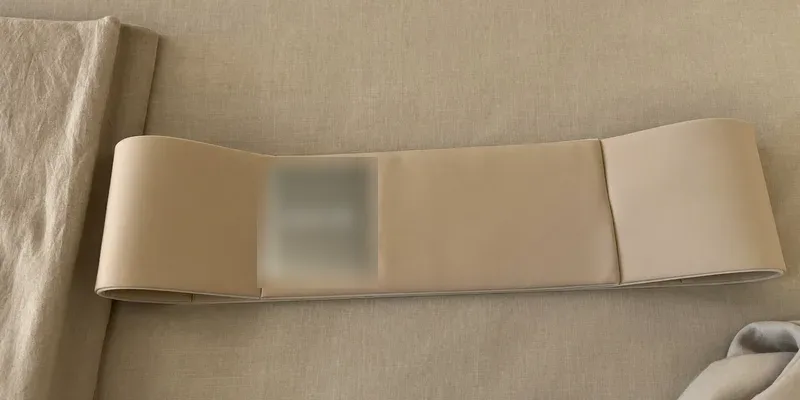
A C-section recovery belt is a wide abdominal binder cut and finished so it can be worn near a surgical incision. It holds the middle of the body evenly so that movement feels less loose, and owners describe it mainly in terms of confidence when standing up, walking and coughing.
It is not part of your medical care and it does nothing to your incision. Hospitals commonly provide one, doctors commonly have a view on whether and when to use one, and that view is the one that counts. Nothing on this page replaces it.
Where the Band Should Sit
The design question that separates a C-section belt from a general postpartum wrap is coverage. A typical incision sits low, and a short band that lands right on it presses in exactly the wrong place. A tall panel that extends well above and below spreads the hold across a much larger area and keeps the closure away from the line.
This is why people who already own a shorter postpartum wrap often find it unusable after surgery. It is not a quality problem, it is a geometry problem. Your doctor can tell you whether covering the area is appropriate for you at all, and that conversation comes before the shopping.
Best if you want maximum coverage above and below
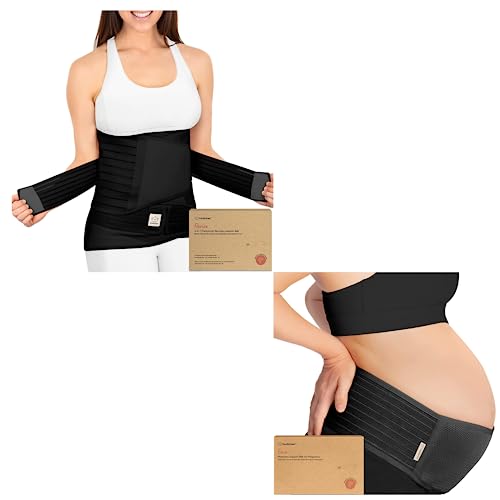
A tall abdominal binder covers from below the ribs to the hips in one panel, so the closure and the edges are nowhere near the incision line. Height is the specification to sort by.

Fabric, Closure and What Touches You
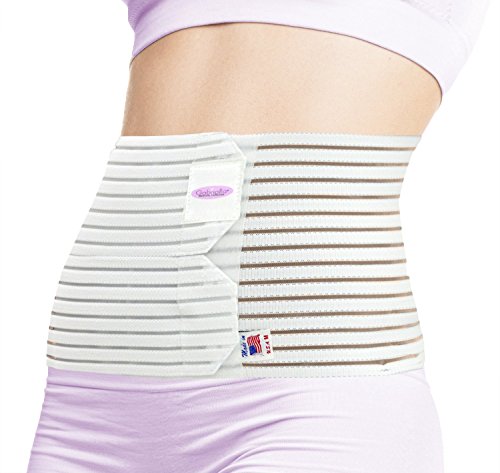
The inner face is the part that decides whether a belt gets worn. Soft brushed knit and bonded edges sit quietly. Exposed hook and loop patches, hard elastic edges and thick overlocked seams do not, and they are the reason a belt ends up in a drawer after one afternoon.
Closures matter for a second reason too. Hook and loop is adjustable and loud; a stepped hook and eye column is quieter but fixed to preset widths. In a house where a baby has just gone to sleep, the noise a garment makes is a real specification and not a joke.
Best if the inner fabric is what you care about
A binder with a smooth lined inner face and covered closures keeps hardware and rough surfaces away from skin. Look for a flap over the fastening rather than bare hook and loop.
Sizing When Your Size Is Changing
Measurements move quickly in the first weeks, which is why fixed size garments disappoint and adjustable ones do not. Order by the brand’s measurement chart rather than by clothing size, and if you fall between two sizes the reviewer advice in this category leans consistently toward the larger one.
The other sizing detail is torso length. A tall panel on a short torso rides up under the ribs, and a short panel on a long torso sits in exactly the wrong band. Measure from the bottom of your ribs to your hip bone and compare it with the stated panel height before ordering.
Best if your measurements are still moving
A wide range adjustable binder with a generous overlap keeps working as things change, instead of being right for one week and wrong for the next.
Belt, High Waist Underwear or Leggings
| Option | Hold | Position | Suits |
|---|---|---|---|
| Tall recovery binder | Firm, adjustable | Ribs to hips | Moving around, standing, the first weeks |
| High waist brief | Light | Above the incision line | All day wear under clothes |
| Compression leggings | Moderate, fixed | Waist to ankle | Leaving the house, warmth |
| Hospital issued binder | Firm, basic | Whatever the ward supplies | The first days, free |
Most people end up with two of these rather than one, usually the binder plus something softer for the rest of the day. See postpartum underwear and compression leggings for those.
What Owners Complain About
Rolling and digging dominate the reviews here as they do across the whole category, and the causes are the same: a panel too short for the torso, no grip at the top edge, and a size chosen optimistically small. Boning or flexible stays fix the folding; going up a size fixes the digging.
The second theme is buying too early. A binder ordered in the third trimester, before anyone knows how the birth will go, is frequently the wrong size and sometimes never needed at all because the hospital supplies one. Waiting costs a day of shipping and saves a wasted purchase.
The Belt Bought Before the Birth
If a planned C-section is on the calendar it is reasonable to have something ready, but ask the ward what they provide first. Our C-section hospital bag guide covers what is genuinely worth packing and what the hospital hands over anyway.
Frequently Asked Questions
When can I start wearing one? Ask your doctor. That is not evasion, it is the only correct answer, because it depends on your surgery and your recovery rather than on the garment.
Does the hospital give you a binder? Many United States hospitals do after a C-section, and it is often perfectly adequate. Ask before you order, and ask again at discharge whether you can take it home.
Can I use a regular postpartum wrap instead? Only if it is tall enough to sit clear of the incision line, which many are not. The comparison in our belly wrap guide explains the height difference.
How tight should it be? Firm enough to feel held, never tight enough to change your breathing or press on the incision. If you are unsure what firm means for your situation, that is a question for your doctor or a pelvic floor physical therapist.
Can I wear it under clothes? A tall binder is bulky under fitted clothing, which is why many people keep a high waisted brief or leggings for going out and save the binder for home.
What about the scar afterwards? That is a separate subject with its own rules, covered in our guide to C-section scar care, and it starts with your doctor telling you the incision is closed.
When to Ask a Professional Instead
Speak to your doctor before you wear anything over a surgical incision, and speak to them again if pain increases, if the area becomes warm, red or starts to weep, or if you have a fever. A pelvic floor physical therapist is the right person for questions about movement, lifting and getting back to activity. A belt is a comfort garment and it answers none of those questions.
The Bottom Line
Buy for panel height first, inner fabric second and adjustability third, check what the hospital supplies before ordering, and confirm with your doctor before wearing anything over the area. A tall, soft, generously adjustable binder is what people keep using; short and stiff is what ends up in the drawer. Read next: postpartum belly wraps compared, and what to know about scar care later on.