
Last updated: August 23, 2026
A bag packed for a C-section is a different bag, and the difference is not the number of items. It is that the stay is usually longer, you will not be reaching down to the floor for a while, and everything that sits across the lower abdomen becomes the thing you notice. The waistband you did not think about is suddenly the most important decision in the bag.
This applies whether the C-section is planned or turns out to be how the day goes, which is a good argument for packing with it in mind either way. Nothing here is medical advice about your recovery, and none of it replaces what your own care team tells you. It is a packing list built around the practical differences people report.
This article contains affiliate links. If you buy through them, we may earn a commission at no extra cost to you. Learn more.
Quick Answer
What should you pack in a hospital bag for a C-section?
- High waisted, soft underwear that sits well above the incision line rather than across it.
- Loose clothing with a high, stretchy waistband and front opening tops.
- Things you cannot bend for: slip on shoes, a long charging cable, a grabber if you have one.
- A longer stay’s worth of essentials, since abdominal surgery usually means more nights.
Bottom line: pack for a longer stay and put everything above the waistline, then ask your care team what they recommend for support and movement.
What Actually Changes About the Bag
Three things change. The stay is generally longer than for an uncomplicated vaginal birth, so you need more of the boring items. Bending and reaching become difficult, so anything on the floor or at the bottom of a bag may as well be in another building. And nothing should press on the incision line.
Everything else on a standard list still applies. Our hospital bag checklist is the base, and this article is the layer on top rather than a replacement for it.
Pack for the Room, Not the Suitcase
Because you will be less mobile, sorting matters more here than in any other version of this bag. Keep the daily items in one small pouch you can reach from the bed, and let a partner handle the rest from a bag in the corner.
The Waistband Is the Whole Decision
Anything with a seam or an elastic band that lands across the lower abdomen is the thing people report regretting. High waisted is not a style preference in this bag, it is the difference between clothing you can wear and clothing that stays in the bag.
That applies to underwear, to leggings and joggers, and to the going home outfit. Soft, high, stretchy, and a size you are not negotiating with. Many people simply wear the hospital’s mesh underwear for the stay and put their own high waisted pairs in the car for the drive home.
Underwear That Sits Above the Line
High waisted disposable briefs pull up well above the bikini line and hold a pad without shifting, which is the specific complaint about lower cut versions.

The Reusable Version for Going Home
Soft cotton high waist briefs in a dark color are what most people live in for the first stretch at home, and they are worth having washed and waiting.

Support Garments and What They Are For
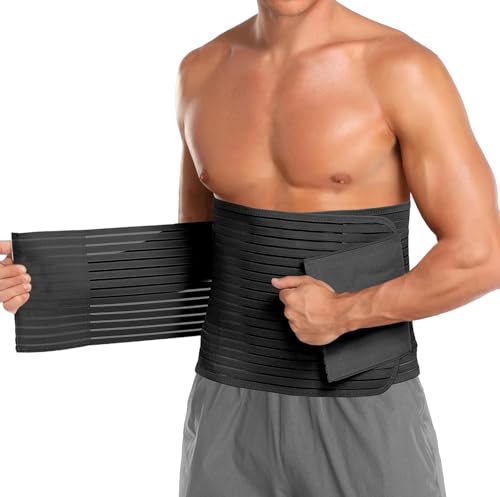
An abdominal binder is a wide band worn around the middle, and many people find it makes moving, standing up and coughing feel more manageable in the first days. Some hospitals provide one after abdominal surgery. Whether one suits you, and when to start using it, is a question for your surgical team rather than for a packing list.
If you do bring your own, the fit detail that matters is height: a band that sits low enough to press directly on the incision line is the one people take off and never put back on. Our C-section recovery belt guide goes through the sizing and the placement in more detail.
If You Want One in the Bag
A wide, adjustable binder with a soft lining is the usual choice, and it is worth confirming with your hospital whether they supply one before buying.
Things You Cannot Bend For
The practical hurdle nobody warns you about is that everything below knee height stops being accessible. Slip on shoes rather than anything you lace, a charging cable long enough to reach the bed, and a bag that opens wide instead of one you have to dig into all solve small versions of the same problem.
A water bottle you can drink from lying down goes on the same list, and so does a phone stand or a soft pillow to prop the phone against. None of this is exotic, but each item removes one moment of asking somebody to pick something up.
The Cable That Matters More Here Than Anywhere
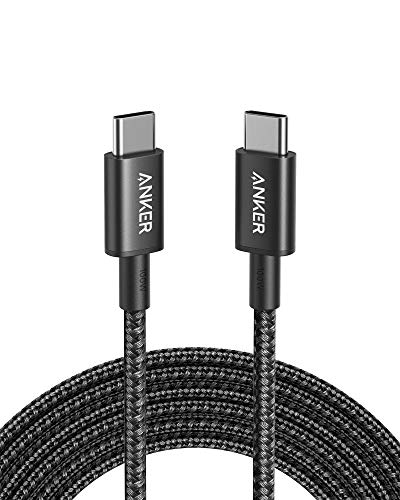
The outlet is behind the bed and you will not be leaning over to reach it. A long cable is the smallest item in this bag and the one people mention first.
What Changes Compared With a Standard Bag
The table lines up the standard packing choice against the version that suits abdominal surgery. Hospital supplies differ, so check the last column with your own hospital.
| Item | Standard bag | C-section version | Ask your hospital |
|---|---|---|---|
| Underwear | Mesh or mid rise | High waist, above the line | Whether mesh is supplied |
| Going home outfit | Loose leggings | High stretchy waist, longer top | Nothing to ask |
| Support garment | Not usually packed | Binder, if your team advises it | Whether one is provided |
| Number of nights | Shorter stay | Usually longer, pack more | Their typical stay length |
| Shoes | Any flat shoe | Slip on, no laces | Nothing to ask |
Feeding Comfort After Abdominal Surgery
Holding a baby across your lap is the part where the incision makes itself known, which is why side lying and football style positions come up so often in accounts of the first days. A pillow between the baby and your abdomen is the low tech version of the same idea.
A nursing pillow can help you position the baby away from the incision, and our guide to nursing pillows after a C-section covers the shapes that suit. Nursing pillows are for supported, awake feeding only, and both the CPSC and the AAP warn that they are not for sleep and should never be used unsupervised, which is covered in full in our nursing pillow safety article.
Who to Ask About Positioning
A lactation consultant is the person to work through positioning with in the first days, and hospitals commonly have one on the unit. Ask while you are still there rather than after discharge.
Frequently Asked Questions
Do I need to pack differently if my C-section is unplanned? You cannot know in advance, which is exactly why packing a high waisted pair of underwear and a longer top costs nothing and covers both outcomes. Everything else on the standard list stays the same.
Will the hospital give me a binder? Some do after abdominal surgery and some do not. Ask your hospital before buying, and ask your surgical team whether they recommend one for you and when to start using it.
How long will I be in the hospital? Longer than for an uncomplicated vaginal birth, but the actual length depends on you, your hospital and how things go. Ask your care team what they typically plan for, and pack the car bag for one night more than that.
What should I wear home? A high stretchy waistband, a longer top and slip on shoes. Owners consistently report that anything sitting across the lower abdomen gets pulled off in the car.
Can I still use my pregnancy support band afterward? They are different garments with different shapes, and the pregnancy version is not designed for a healing incision. Our comparison of the two explains the difference, and your provider is the one to ask about your own situation.
What is the single most useful extra item? A long charging cable, followed by slip on shoes. Both exist because bending and reaching are the part that catches people out.
The Bottom Line
Everything in this article is about comfort and practicality, not about how your recovery will go. Talk to your OB-GYN, your midwife or your surgical team about support garments, movement and anything that does not feel right, and ask a pelvic floor physical therapist if you want a plan for the weeks that follow.
Pack high, pack loose, and pack for a longer stay: high waisted underwear, a stretchy waistband well above the incision line, slip on shoes and a long cable. Confirm with your own hospital what it supplies, since binders and mesh underwear vary between them. Read next: the full checklist, the postpartum recovery kit for what waits at home, and the mom bag for the rest of your half.