Last updated: August 23, 2026
Almost every hospital bag list you find is written from the baby’s side. The mother’s half tends to be four vague lines about comfortable clothes, which is not much help at eleven at night in week thirty five when you are standing over an open bag trying to decide whether the robe counts as necessary.
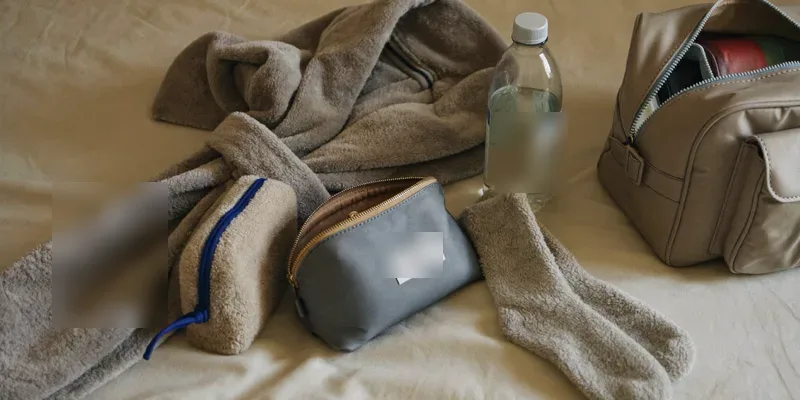
This is the other half, written around what people report actually reaching for: the clothes that open at the front, the socks that do not slide, the charger that reaches the bed, and the small set of comfort items that make a short stay in a room you did not choose feel less like camping. Most of the medical supplies are already there waiting for you.
This article contains affiliate links. If you buy through them, we may earn a commission at no extra cost to you. Learn more.
Quick Answer
What should you pack in a hospital bag for yourself?
- Identification, insurance details and anything your hospital asked you to bring in advance.
- Front opening clothes: a nightgown or robe you can feed in, plus a loose going home set.
- Non slip socks, lip balm, hair ties, a long phone cable and a water bottle you can drink from lying down.
- The comfort version of what the hospital supplies, if you would rather use your own.
Bottom line: pack clothes that open at the front and paperwork that gets you checked in, and leave the medical supplies to the hospital.
Paperwork First, Because It Is the Part You Cannot Improvise
The documents are the only items in the bag that nobody can bring you later without a trip home. Photo identification, your insurance card, the hospital preregistration paperwork if your hospital uses it, and any notes your care team asked you to carry all go in one outside pocket where a partner can find them.
Every hospital handles admission slightly differently, so the useful move is to ask yours what they want you to arrive with. That one question also tends to surface the tour, the preregistration link and the parking situation, all of which matter more at two in the morning than a matching pajama set.
Put Them Where Someone Else Can Reach Them
Use the front pocket, not the bottom of the bag. The person handing over your identification at the desk may well not be you, and the bag will be on a chair with a coat on top of it.
Clothes That Open at the Front
The single most repeated piece of packing advice from people who have done this is to bring clothing with front access. Feeding, monitoring and skin to skin all happen with very little warning, and a pullover top turns each of them into a small production.
A button front nightgown or a wrap robe does the job, and a lot of people simply wear the hospital gown for the first stretch and change into their own thing once they want to feel human again. Our nursing nightgown guide and the hospital pajamas comparison cover which cuts hold up in the wash.
The Piece Most People Wear the Whole Stay
A soft button front gown is the item that gets worn from the first evening to discharge. Dark colors hide more, and short sleeves make monitoring cuffs and lines much easier.

The Bra Question
A wireless sleep style bra is the usual answer for the stay itself, since sizing shifts and nothing structured is comfortable yet. Reviewers consistently advise sizing up at this stage, which our nursing bra guide works through in detail.

Underwear, Pads and What the Hospital Hands You
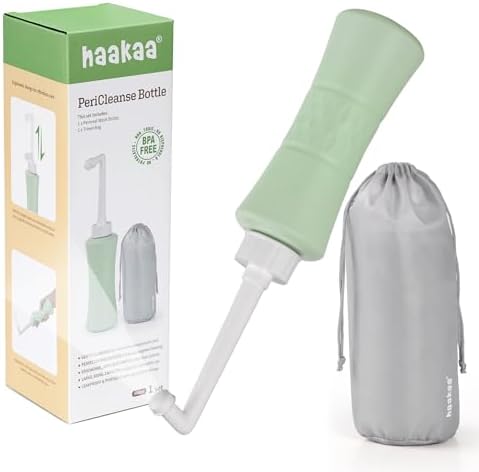
Most US hospitals supply mesh underwear, heavy pads, a peri bottle and ice packs, and many send the leftovers home with you. This is the section of the bag where duplicating is most common and least useful, so ask your hospital what it provides before buying a stack of anything.
Where your own version wins is at home. High waisted disposable underwear is the piece people either love or leave in the packet, and having a few in the bag is a reasonable hedge if you would rather not rely on the hospital sizing.
If You Want Your Own Rather Than the Standard Issue
High waisted disposable briefs sit above the bump line and hold a full pad without shifting, which is the main complaint about the thinner mesh version.

The Recovery Items Worth Owning at Home
A peri bottle with an angled neck is the item most often bought again after discharge because the straight hospital one is awkward to use. Our peri bottle guide and the postpartum recovery kit cover what to have waiting at the house.
The Small Things People Wish They Had Packed
Ask around and the same handful of items comes up: lip balm, because hospital air is dry and breathing through a long night is drying; hair ties; non slip socks, because the floors are hard and hospital slippers are thin; and a water bottle with a straw that works while lying flat.
Add a long phone cable to that list. The outlet is never beside the bed, and a standard cable leaves the phone on a table you cannot reach. It is the cheapest item in the bag and the one people mention buying immediately afterward.
Socks You Can Walk the Hallway In
Grip socks are worn constantly and thrown away or kept, either way with no regret. Bring two pairs, since the first pair rarely stays clean.

The Comfort Item for the First Days of Feeding
Nipple cream is the one small tube people are glad to have on hand in the first days. If anything about feeding hurts beyond the initial tenderness, a lactation consultant is the person to see rather than a different cream.

The Mom Bag at a Glance
The table groups the items by when you reach for them, which is a more useful sort than by category. Hospital supplies differ, so treat the last column as a prompt to ask rather than a rule.
| Item | When you use it | Why it earns space | Hospital may supply |
|---|---|---|---|
| ID and insurance | At admission | Nobody can improvise it | No |
| Button front gown | Whole stay | Front access for feeding | Gown, yes |
| Grip socks | Whole stay | Hard floors, thin slippers | Sometimes |
| Long phone cable | Whole stay | Outlet is never near the bed | No |
| Going home outfit | Discharge | Loose, soft, front opening | No |
The Going Home Outfit
Pack the loose version, not the hopeful one. Almost everyone reports leaving in something close to what they wore at around the seventh or eighth month, and stretchy waistbands with a forgiving top are the combination that works whichever way the birth goes.
Soft leggings or wide joggers, a front opening top and slip on shoes cover it. If you are planning around abdominal surgery, the waistband height matters more, and our C-section bag guide goes into what changes. Any question about what your own recovery will allow belongs with your midwife or OB-GYN rather than with a packing list.
Frequently Asked Questions
Do I need my own pads and mesh underwear? Usually not for the stay, since most hospitals supply them and often send the extras home. Ask your hospital first. Where your own version pays off is at home, which is what a recovery kit is for.
What should I actually wear to give birth in? Most people use the hospital gown, and some bring their own labor gown so they are not in hospital issue for photographs. Either is fine. Our labor gown guide covers the monitoring access to look for.
How many changes of clothes do I need? One thing to wear during the stay and one to go home in is enough for a typical stay, with a spare top for the inevitable spill. Anything more usually comes home unworn.
Should I pack a towel and toiletries? Bring travel size toiletries you like, since hospital soap is basic, and skip your own towels. A hanging toiletry bag keeps it all off a small bathroom shelf, which our bag guide covers.
Is a robe worth it? Yes if you plan to walk the hallway, which many people do. A light robe over a gown is easier than getting fully dressed and undressed each time.
What about compression socks for the drive home? Plenty of people wear them for travel and for the swelling that comes with the last weeks. Our compression sock guide covers the fit, and your provider is the right person to ask whether they suit your situation.
The Bottom Line
Your half of the bag comes down to paperwork in the front pocket, clothes that open at the front, grip socks, a long cable, and a going home outfit chosen for comfort rather than optimism. The hospital covers the medical supplies, so the money is better spent on what you will use at home. If anything about your recovery or your comfort worries you, raise it with your midwife or OB-GYN rather than solving it in a shopping cart. Read next: the full checklist and what to leave out.