Last updated: August 23, 2026
Hospital pajamas are a different purchase from home pajamas, and people find that out the hard way. The set you love in your own bed is usually pale, fitted, and made of something that has to be washed carefully. None of those qualities survive a maternity ward, where the lighting is bright, the room is warm, and the day involves more fluids than anyone puts in a brochure.
What you want is something dark, loose, cheap enough that you would not grieve it, and open at the front. This guide covers the four features that matter, when the hospital gown is the smarter choice anyway, and how the C-section version differs. Policies about what you may wear vary from hospital to hospital, so check with your own labor and delivery unit before you finalize the bag.
This article contains affiliate links. If you buy through them, we may earn a commission at no extra cost to you. Learn more.
Quick Answer
What kind of maternity pajamas should you pack for the hospital?
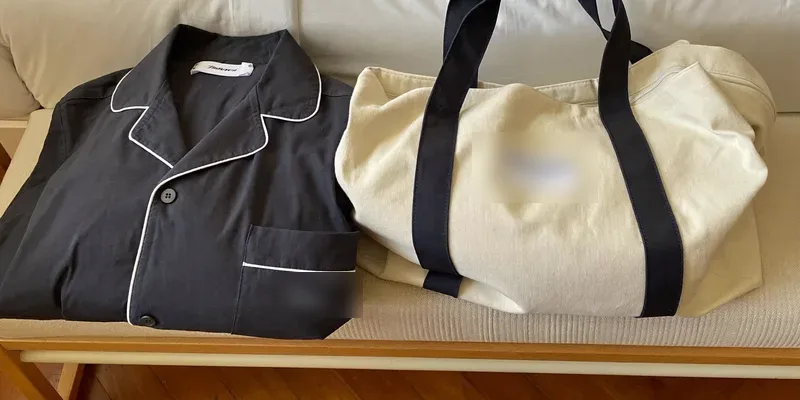
- Dark colors only. Black, charcoal, navy, deep plum. Everything else shows everything.
- A front that opens all the way, for feeding, for skin to skin, and for the checks that happen whether you planned them or not.
- Loose through the middle, and high or low enough to miss an incision line if you have a C-section.
- Pack one set, not three. Most people wear the hospital gown for the first stretch anyway and change into their own things later.
Bottom line: one dark, loose, front opening set you would not mind losing, plus a robe.
Why Hospital Pajamas Are a Separate Purchase
A maternity ward is warm, brightly lit, and full of people who need access to you at short notice. Add bleeding that continues for a while after the birth, leaking milk, and a room you cannot control the temperature of, and the criteria change completely from what you want at home.
The practical result is that hospital sleepwear should be disposable in your head, even if it is not in fact disposable. Owners describe throwing a set out afterward without a second thought, and being glad it was not the nice one.
Dark Colors and Why Everyone Says So
Dark fabric is the single most repeated piece of advice from people who have done this, and it is not squeamishness. Bleeding after birth, called lochia, continues for a while, and milk leaks unpredictably in the first days. A black or navy set hides all of it and lets you keep wearing the same thing.
Patterns help too, but only busy dark ones. A pale floral is functionally a white set. If you already own dark sweatpants and a dark button shirt, that combination is a legitimate answer and costs nothing.
What About the Hospital Gown
Most units provide a gown, and plenty of people simply use it for labor and the first day because it can be changed as often as needed and it is not yours. Bringing your own labor gown is a preference rather than a requirement, and we cover the trade in our labor and delivery gown guide.

A Front That Opens All the Way
Full front access is the second non negotiable. Skin to skin happens right after the birth, feeding attempts follow quickly, and staff will need to check you and the baby repeatedly. A pullover top means undressing every time, in a room that is not private.
Snaps are easier than buttons with one hand and with the cannula that may still be in the back of yours. A crossover or wrap top is the fastest of all and the least secure if you plan to walk the corridor. Our nursing tops guide compares the same opening styles in more detail.
The C-section Version
After a C-section the waistband is what matters. An incision sits low, and any elastic that lands on it is uncomfortable for days. The two workable answers are bottoms with a very high soft waist that sits well above the line, or a nightgown that avoids a waistband altogether.
Loose is more important than soft here, because pressure rather than texture is the issue. If you are planning for a surgical birth or want to be ready either way, our C-section hospital bag guide goes through the rest of the list. Ask your own care team what they recommend wearing over the incision in the first days, since guidance varies by hospital and by how your recovery goes.
What to Pack by Situation
If You Want One Set That Covers the Whole Stay
A dark snap front top with loose high waisted bottoms handles labor recovery, feeding, and the walk out to the car. It is also the set you will keep wearing at home for weeks, which makes it the least wasteful choice in the bag.

If You Would Rather Skip Bottoms Entirely
A nightgown avoids the waistband question completely, which is why so many people who have had a C-section recommend one. Look for one that opens at the front rather than one that only lifts.

If You Want Something to Put Over It
A robe is the item most people say they underrated. It covers you for corridor walks and visitors, it comes off in one movement when the room gets warm, and it makes a hospital gown feel less like a hospital gown.

The Three Options Compared
| Option | Access | Waistband | Suits |
|---|---|---|---|
| Dark two piece set | Snap or button front | High, wide, soft elastic | Whole stay plus home afterward |
| Nursing nightgown | Front opening | None | C-section and warm rooms |
| Robe over hospital gown | Open front | Tie, worn loose | Corridor walks and visitors |
All three assume dark fabric. That one choice does more for how the stay feels than any feature on the label.
What People Wish They Had Known
The most common regret is packing too much. Bags come home with clothes still folded, because the first stretch is spent in a gown and the rest in one comfortable set. Our what to skip in the hospital bag article is built entirely from that pattern.
The second is packing pale. People pack the nice set as a small treat and then never take it out of the bag. If you want the treat, make it the robe, which stays cleaner than anything worn underneath.
Frequently Asked Questions
Can I wear my own pajamas during labor? Many units allow it and many people prefer the hospital gown because it can be swapped out freely. Policies differ from hospital to hospital, so ask your own labor and delivery unit rather than relying on what a friend did somewhere else.
How many sets should I pack? One set plus a robe is enough for most stays, with a spare top if you have room. Milk and bleeding mean the top gets changed more often than the bottoms, so pack the spare accordingly.
Do I need nursing access if I am not planning to breastfeed? A front that opens still helps for skin to skin and for the checks that happen in the first hours. It is convenience rather than a commitment.
What is best after a C-section? Something with no waistband at all, or a waistband that sits well above the incision line. A nightgown is the simplest answer, and high waisted loose bottoms are the next.
Should I pack a robe? Most people say yes afterward. It handles corridor walks, visitors, and the temperature swings of a hospital room, and it goes on over whatever you are already wearing.
What about going home? Wear what you wore in, or the same soft set. Your middle will still be much closer to pregnant than not, so nothing with a fitted waist belongs in the bag for the trip home.
The Bottom Line
Dark, loose, front opening, one set, plus a robe. That is the whole answer, and the money saved on the second and third set is better spent on something you will use at home. Read next: the hospital bag checklist for everything else that goes in, and maternity pajamas for the home version of the same purchase.