Last updated: August 23, 2026
Every hospital bag checklist you find online is a maximum list. Forty items, sometimes sixty, assembled by someone who would rather list a hair tie twice than leave it out. The result is a bag that weighs as much as a suitcase, sits by the front door for weeks, and comes home with most of its contents untouched.
This one is built the other way around. It starts from what people actually use, groups it by when you reach for it, and says plainly which parts the hospital usually supplies and which parts depend entirely on where you are giving birth. Pack the short version, add what your own hospital tells you, and stop there.
This article contains affiliate links. If you buy through them, we may earn a commission at no extra cost to you. Learn more.
Quick Answer
What do you actually need in a hospital bag?
- One bag, not three. A carry on sized weekender holds everything most people use.
- Four groups: documents and phone, things for labor, things for after, and one outfit each for you and the baby.
- Comfort beats coverage. A long charging cable, your own pillow and grip socks get used more than anything on a typical list.
- Ask your own hospital what it supplies before you duplicate it, because that varies enormously.
Bottom line: pack light, pack for after the birth rather than during it, and leave room for what you carry home.
How to Think About the Bag
Split everything into four groups and pack them in this order: documents and charging, labor, after the birth, and going home. Most of the disappointment with hospital bags comes from packing heavily for labor, which is short and mostly handled by staff, and lightly for the stay afterwards, which is where the hours actually go.
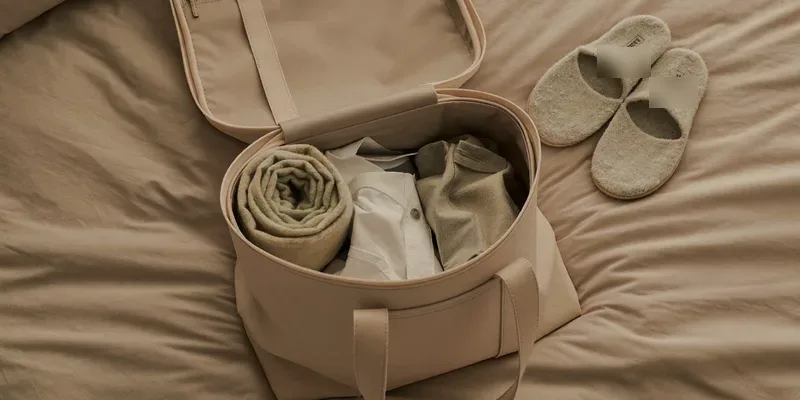
One bag is the target. A single carry on sized weekender that anyone can carry with one hand, plus a small pouch you can grab for the shower, beats a wheeled case and two totes that nobody can find anything in at three in the morning.
The Bag Itself Is Not a Special Product
There is no winning hospital bag on the market. What people end up recommending is an ordinary weekender with a wide opening and a separate compartment at the bottom, because you can see the whole contents at once and keep shoes and dirty laundry away from clean clothes. Our page on which bag to use goes into the details.

One Hanging Toiletry Bag
Hospital bathrooms have no counter space worth using, and a hanging organizer on the back of the door solves that in a way a zip pouch does not. This is the single item people mention most often as unexpectedly useful.

Documents and Charging
Insurance card, photo ID, your hospital paperwork and any birth preferences you have written down. Put them all in one envelope in an outside pocket rather than distributing them, because this is the part that gets asked for while you are least able to go looking.
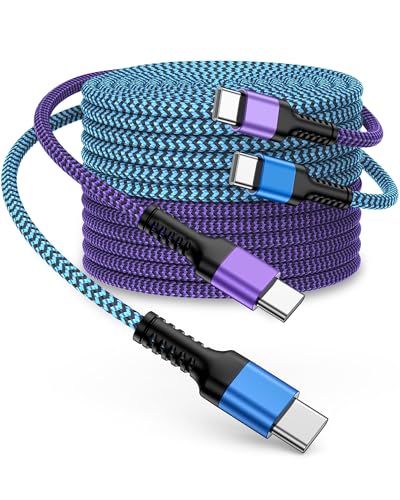
The charging cable is the item nobody predicts. Outlets in a delivery room are rarely next to the bed, and a short cable leaves your phone across the room during the hours you most want it. A long one, plus a battery pack, is the cheapest upgrade on this whole list.
For Labor
Less than you think, because this stretch is shorter than the stay that follows and much of what you need is in the room. What people do use is their own clothing, something on their feet, and whatever makes an unfamiliar room feel less clinical.
Grip socks come up constantly. Floors are cold, you may be walking around, and hospital issued socks are not always available. A gown of your own is the other one, for anyone who would rather not spend the day in hospital issue.
Something on Your Feet
Non slip socks with grip on the sole, ideally a couple of pairs, since one will end up somewhere you would rather not put your feet again.

Your Own Labor Gown
A labor and delivery gown that opens at the back and the shoulders lets staff do what they need to do while you wear something that feels like yours. Whether it is worth it is genuinely personal, and our gown page lays out both sides.

For After the Birth
This is the half of the bag that earns its place. The stay after birth is measured in days rather than hours for most people, and it is where comfort items get used repeatedly rather than once.
Most hospitals supply the basics of postpartum care, often generously, and many people are told to take home whatever is left in the room. Ask yours before you buy duplicates. What is worth bringing is the version you would rather have than the standard issue.
A Bra You Can Sleep In
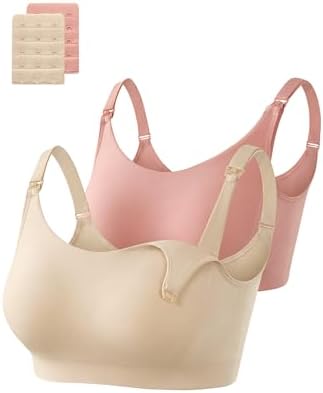
Soft, wireless, easy to open one handed. Whether you are nursing or not, something that is comfortable to lie down in matters more here than support does. Our nursing bra guide covers fit, and reviewers consistently mention sizing up once milk comes in.
Postpartum Underwear
High waisted and disposable is what most people prefer for the first days, because you can throw them away rather than deal with them. Bring your own if you would rather not rely on what is in the room, and our postpartum underwear page compares disposable and reusable.

A Peri Bottle
Hospitals generally provide a basic squeeze bottle, and the angled version many people buy separately is easier to use one handed. It is small, cheap and goes home with you, which is where you will use it most. See our peri bottle page.

Nipple Cream
Worth having in the bag rather than ordering later, if you plan to nurse. Ask the hospital’s lactation consultant about how you are using it while you have one in the building, which is one of the genuine advantages of the stay. Our nipple cream page covers the formats.

For the Baby
Very little, and less than any list suggests. Hospitals supply diapers, wipes and usually a shirt and hat while you are there, so the baby items in your bag are mostly the going home outfit and the car seat that has to be installed before you leave.
One newborn size outfit and one in the next size up is the sensible pack, because babies arrive at different sizes and the newborn outfit does not always fit. Our page on what to pack for the baby covers what the hospital typically supplies.

For Your Partner
A separate small bag, packed by them, is the arrangement that works. Snacks, a change of clothes, a phone charger of their own and something to sleep on, because the chair or couch in the room is not designed for it.
Keeping it separate matters more than what is in it. A partner rummaging through your bag looking for their own toothbrush is a small, avoidable annoyance. Our partner bag list is the short version.
The Bag in Four Groups
| Group | Core items | How much | Note |
|---|---|---|---|
| Documents and charging | ID, insurance, paperwork, long cable, battery pack | One envelope, one pouch | Outside pocket, easy to reach |
| Labor | Grip socks, own gown, hair tie, lip balm | Small | Shorter stretch than you expect |
| After the birth | Sleep bra, underwear, peri bottle, nipple cream, toiletries | Largest group | Ask what the hospital supplies |
| Going home | One loose outfit for you, two sizes for the baby | Minimal | Car seat installed in advance |
If your bag does not divide into those four groups, it probably contains things from a maximum list rather than from your own stay.
What the Hospital Decides, Not Us
What you may bring and what is already provided varies between hospitals and between countries, and it is not something a checklist can settle. Food from home, birth pools, your own pillow, photography, who may stay overnight and what happens with leftover supplies are all local policy.
Ask at a prenatal appointment or call the labor and delivery unit. Two minutes on the phone saves packing a bag around assumptions, and your midwife or OB-GYN will also tell you if anything about your situation changes the answer.
What Most People Overpack
The pattern is remarkably consistent: multiple outfits that stay folded, a full makeup bag, books that never get opened, and enough snacks for a road trip. Almost nobody regrets underpacking clothes and almost everybody regrets the weight.
The anti checklist is a genuinely useful read before you zip the bag, and our page on what to leave out is the shortest route to a lighter bag.
When to Have It Ready
Most people pack somewhere in the third trimester and keep the bag by the door from then on, which is about having one less thing to think about rather than about any deadline. Packing early costs nothing and the bag is easy to add to.
If you have been told to expect an induction or a planned C-section, the timing and the contents both shift. Our pages on when to pack, packing for an induction and packing for a C-section cover those.
Frequently Asked Questions
How many bags should I bring? One for you and a small separate one for your partner. Anything more turns into a hunt every time somebody needs something, and hospital rooms have very little floor space.
Do I need to bring diapers and wipes? Usually not, since most hospitals supply them while you are there, but this is exactly the kind of thing that varies. Ask your hospital rather than packing a full box.
Should I pack a going home outfit for myself? Yes, and pack something loose that you were comfortable in during the second trimester. Maternity leggings and a soft top are the standard answer, and our leggings guide covers what stays comfortable.
What about snacks? Bring a few for after, and check with the hospital about eating during labor, since policies differ. Our snacks page covers the ones that survive a bag for weeks.
Is a special hospital bag product worth buying? No. The Amazon listings marketed as hospital bags are generic weekenders with a pregnancy photo on the page. Buy a good weekender and spend the difference on what goes in it.
What if I am having twins or a longer stay? Pack more of the after group rather than more outfits, and double the baby items. Our pages on twins and a second baby cover the differences.
The Bottom Line
One weekender, four groups, and a heavy bias toward the days after the birth rather than the hours during it. Ask your own hospital what it supplies before you duplicate anything, keep the documents and the long cable where you can reach them, and leave space for what you bring home. Read next: what to leave out and the postpartum recovery kit.