
Last updated: August 23, 2026
Nipple cream is on every baby registry and in almost every hospital bag, and it is one of the few items people go back out for at eleven at night. It is a small tube of something thick, and the reason it matters is friction and dryness in the early days of feeding, when skin is doing something it has never done before.
What it is not is an answer to feeding that hurts. Persistent pain, damage or a feed that never stops being uncomfortable is a signal to get help from a lactation consultant rather than to buy a thicker cream, and no product on this page changes that. With that said clearly, here is how the two main types differ and what makes one tube more usable than another.
This article contains affiliate links. If you buy through them, we may earn a commission at no extra cost to you. Learn more.
Quick Answer
Lanolin or plant based nipple cream?
- Lanolin is thick, sticky and long lasting, and it is the format most hospitals hand out.
- Plant based balms are lighter, spread more easily and suit anyone avoiding animal derived ingredients.
- Check the label for whether the manufacturer says it needs wiping off before a feed, since the two types differ.
- A tube by the bed and a tube in the diaper bag beats one perfect tube in the wrong room.
Bottom line: both formats do the same comfort job and the choice is about texture and ingredients. If feeding hurts beyond the first days, that is a conversation with a lactation consultant, not a shopping decision.
What Nipple Cream Is For
Nipple cream is a barrier product. It is thick, it stays on the skin rather than soaking in, and it exists to make dry, rubbed skin less uncomfortable between feeds. Owners describe it in terms of the first days being more bearable, and that is a fair description of what it offers.
It is not a fix for a painful latch, a tongue tie, thrush, a pump flange that is the wrong size, or anything else with a cause. Those are things a lactation consultant, a midwife or your doctor can look at and a cream cannot.
Lanolin Versus Plant Based
Lanolin is a purified wax from sheep’s wool, and it is thick to the point of being sticky. That texture is exactly why it lasts, and also why some people dislike it: it clings to bras and shirts, and it needs warming between the fingers before it will spread. It is the traditional and most widely stocked option.
Plant based balms use ingredients such as shea, cocoa butter, coconut and olive oil, often in a softer base that spreads with much less effort. They wash out of fabric more easily and suit anyone avoiding animal derived ingredients or with a wool sensitivity. They also tend to need reapplying more often.
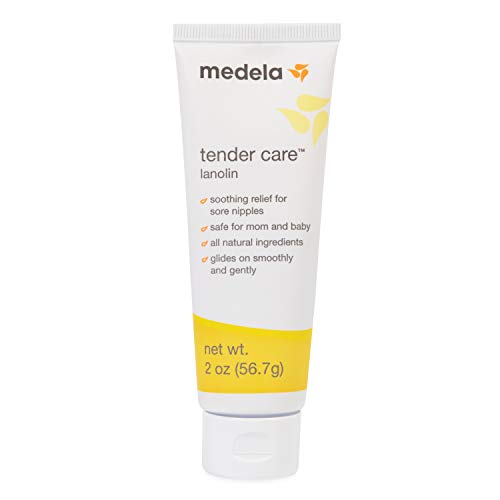
Best if you want the traditional thick barrier
A lanolin cream is the format most hospitals give out, and the one that stays put longest. Warm a small amount between your fingertips first, because straight from the tube it does not spread.
Best if you want something lighter or wool free
A plant based nipple butter spreads easily, feels less tacky against fabric, and suits people who cannot get on with lanolin. Check the ingredient list if you have any known sensitivities.
Wiping Off Before a Feed
This is the question everybody asks and the answer is on the packaging. Some manufacturers state that their product does not need to be removed before feeding; others give different instructions. Read the label of the product you actually bought, and if you want a second opinion, ask a lactation consultant or your pediatrician rather than the internet.
What is worth saying is that wiping repeatedly is itself uncomfortable, which is why the no wipe formulations became popular. If you have any doubt about a product going near your baby, that doubt is a good enough reason to ask before using it.
Texture, Tube Size and Where You Keep It
The practical differences that decide which tube gets used are texture in cold weather, how wide the opening is, and how many you own. A thick cream in a narrow tube in a cold bedroom is a small wrestling match at three in the morning, and that is precisely when you want it.
Owners who describe getting on well with a product almost always mention having more than one: one by the feeding chair, one in the bag, one in the bathroom. A small travel tube costs little and removes the going to fetch it problem entirely.
Best if you want one in every room
A multipack or a large tube with a smaller travel size covers the bedroom, the bag and the sofa. This is the cheapest upgrade in the category and the one people mention after the fact.

The Two Types Compared
| Type | Texture | On fabric | Suits |
|---|---|---|---|
| Lanolin | Thick, tacky, long lasting | Clings, needs warm washing | People who want a lasting barrier |
| Plant based butter | Softer, spreads easily | Washes out more readily | Wool sensitivity, easier application |
| Multipurpose balm | Light, thin | Minimal residue | Bag and pocket use, lighter needs |
| Hydrogel pads | Not a cream at all | No residue | People who want cooling instead |
The last row is a different product entirely, and it is covered in our guide to shields and soothing gel pads.
What Owners Complain About
Stickiness is the recurring complaint with lanolin, both on skin and on clothing, and it is the main reason people switch to a plant based option. The second is the tube itself: a stiff tube with a small opening is hard to use one handed, which is the only way it will ever be used.
The complaint that matters most is the one about expectations. Reviewers who describe a cream as useless are often describing feeding that hurt for a reason, and a cream was never going to be the answer. That is the point at which a lactation consultant is the right purchase.
What the Hospital Gives You
Many wards hand out a small tube of lanolin, which is enough to find out whether you get on with it before buying more. Ask before packing three of your own, and see our hospital bag guide for what else is usually supplied.
Frequently Asked Questions
Do I need to wipe it off before feeding? Check the label of the product you bought, because manufacturers differ. If the packaging is unclear or you are unsure, ask a lactation consultant or your pediatrician before using it.
How much should I use? A small amount, warmed between the fingers, is what most instructions describe. More is not better with a barrier product, it just transfers to your bra.
Can I use plain coconut oil or petroleum jelly instead? People do use kitchen oils, and there are reasons a lactation consultant might suggest otherwise for your situation. Ask rather than assume, particularly with anything that will be near your baby.
Feeding still hurts. Is there a better cream? Probably not, and that is the honest answer. Pain that continues, damage, blistering or a feed that is uncomfortable throughout is a reason to see a lactation consultant, your midwife or your doctor.
Does it stain clothes? Lanolin marks fabric and needs a warm wash; plant based balms generally come out more easily. Breast pads between the cream and the bra solve most of it.
Is it worth putting on before the baby arrives? There is no need to prepare skin in advance, and it is a question for your midwife if you have heard otherwise. Buy it, pack it, and open it when you want it.
When to Ask a Professional Instead
If feeding hurts beyond the first few days, if there is cracking, bleeding, a sharp pain during or after a feed, or a change in color of the skin, contact a lactation consultant, your midwife or your doctor. Those are all things with causes that can be looked at, and getting help early tends to make everything easier. A cream is a comfort item and it is not the answer to any of them.
The Bottom Line
Both lanolin and plant based balms do the same comfort job, so choose on texture, ingredients and how easily the tube opens one handed, and buy more than one so there is always a tube within reach. If feeding is painful rather than dry, book the lactation consultant instead of buying a second cream. Read next: shields and soothing gel pads, and the small comfort items for feeding.