Last updated: August 23, 2026
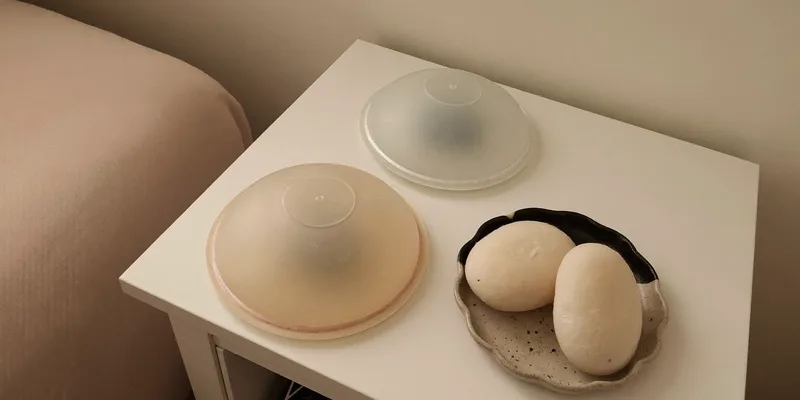
Two very different products end up in the same basket at two in the morning: the thin silicone shield that goes on during a feed, and the gel pads that go on between feeds. They get searched for together because they get suggested together, usually by somebody on a forum, and they are worth separating before anything gets ordered.
The important difference is who decides. A soothing gel pad is a comfort item you can buy on your own judgement. A nipple shield is a feeding tool that a lactation consultant or midwife may suggest, in a specific size, for a specific reason, and using one without that guidance is how people end up with a shield that does not fit and a feeding situation that is harder rather than easier.
This article contains affiliate links. If you buy through them, we may earn a commission at no extra cost to you. Learn more.
Quick Answer
Shields or soothing pads, and which do you buy yourself?
- Gel pads and cold or warm packs are comfort items between feeds; buy them freely.
- A nipple shield is a feeding tool, comes in sizes, and belongs with guidance from a lactation consultant.
- Shields come with a case for a reason, since they need washing and somewhere clean to live.
- Nothing here is a solution for a feed that hurts. That is a person to see, not a product to buy.
Bottom line: buy the gel pads on your own, get help before buying a shield, and get help either way if feeding is painful.
What Each of These Actually Is
A nipple shield is a thin flexible silicone cover worn during a feed. It is sized, it has to be positioned correctly, and it changes how a feed works, which is why it is a tool rather than an accessory. A soothing pad is a hydrogel or gel filled pad worn between feeds for cool or warm comfort, with nothing to size and nothing to learn.
Grouping them together is a shopping habit rather than a real category. If you only take one thing from this page, take that: one of these is something you can try on your own, and one of them really is not.
Soothing Gel Pads and Therapy Packs
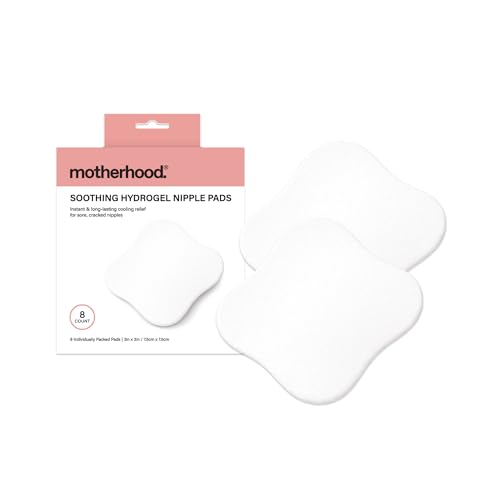
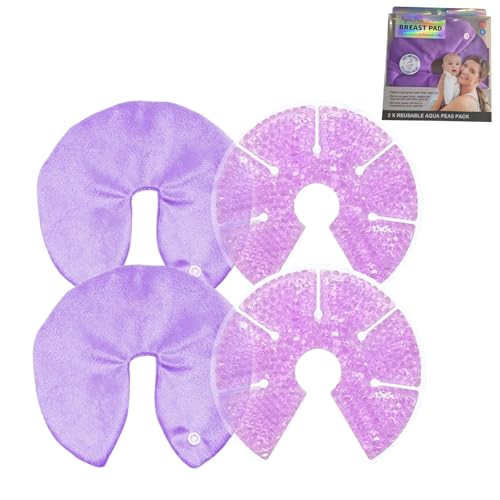
Hydrogel pads are single use or short use discs that sit against the skin inside a bra and feel cool. Reusable gel packs are shaped inserts that can be chilled or warmed and slipped into a bra or held in place, and they are the format people keep in the freezer alongside everything else.
Both are straightforward comfort items with no learning curve. Keep them clean, follow the manufacturer’s instructions about reuse, and stop using anything that stings. If anything about the skin looks damaged rather than dry, that is a reason to see a lactation consultant instead.
Best if you want cool relief you can buy today
Hydrogel pads sit inside a bra and feel cool immediately, with no freezer and no preparation. They are the simplest item in this whole category.
Best if you want to reuse them
Reusable breast therapy packs can go in the freezer or be warmed, which makes them useful in both directions, and they come in fabric covers so nothing frozen touches skin.
Nipple Shields Are a Tool, Not a Fix
A shield is sometimes suggested by a lactation consultant, a midwife or a hospital nurse in particular situations. When it is suggested, it comes with a size, a way of putting it on, and a plan for what happens next. That package is the useful part, and buying the silicone without it is buying one third of the thing.
The reason to be careful is that a shield changes a feed, and using the wrong size or using one indefinitely without support can create its own problems. If someone has suggested one to you, ask them which size and how to position it. If nobody has, the first call is to a lactation consultant rather than to a store.
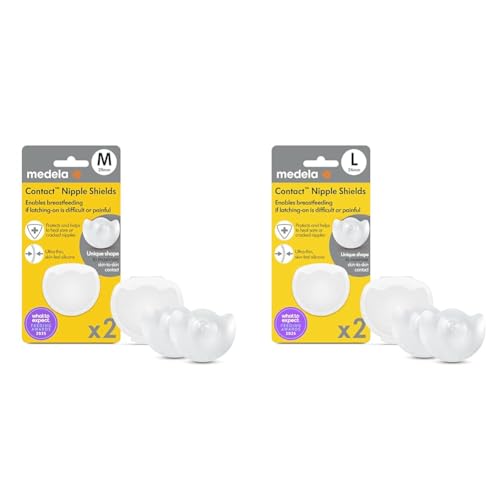
If a lactation consultant has suggested one
Contact shields come in more than one size and usually with a storage case. Buy the size you have been advised to use rather than the one that is in stock, and ask about how the fit should look when it is on.
Breast Pads Are the Other Half
Most of what people buy in this aisle is actually solving leaking rather than soreness, and that is breast pads: disposable ones for the bag and washable ones for home. They are unglamorous, they get used constantly, and they keep creams and gels from marking everything.
Buy a mix. Disposables travel and never need washing; reusable cotton or bamboo pads are softer and cheaper over time. Our guide to breastfeeding comfort gear covers these alongside the other small items.
What Does What
| Item | Worn when | Sized | Who decides |
|---|---|---|---|
| Hydrogel pad | Between feeds | No | You |
| Reusable gel pack | Between feeds | No | You |
| Nipple shield | During a feed | Yes | A lactation consultant or midwife |
| Breast pad | All the time | Roughly | You |
Only one row in this table involves a professional, and it is the row people most often skip.
What Owners Complain About
With gel pads, the complaints are about adhesion and hygiene: pads that slide out of position, and confusion about how many times one can be reused. The manufacturer’s instructions are the answer to the second, and they vary between products, so read the box rather than a forum.
With shields, the complaints are almost entirely about fit and about being handed one without guidance. Reviewers describe buying the size that was available, finding it too large or too small, and giving up. That is a support problem wearing a product problem’s clothing.
The Purchase That Should Have Been an Appointment
The pattern across this category is people buying a third product when what they needed was one appointment. In the United States, lactation support is often covered by insurance and hospitals frequently have a consultant available. Ask before ordering anything else.
Frequently Asked Questions
Can I just buy a nipple shield and try it? You can buy one, but sizing and positioning matter and a shield changes how a feed works. Speak to a lactation consultant or your midwife first; they can tell you whether it suits your situation and which size.
How long do people use a shield for? That varies enormously and it depends on why it was suggested. It is a question for whoever suggested it, and following up with them matters more than the product itself.
Are hydrogel pads reusable? Some are, for a limited number of uses, and some are single use. The packaging states which, and it differs between brands, so follow the one you bought.
Cold or warm? People use both, in different situations, and reusable packs do either. If you are unsure which suits what you are experiencing, ask a lactation consultant rather than guessing.
Do I need any of this if I am bottle feeding? Generally not the shields, and possibly the pads early on. Our guide to the postpartum recovery kit covers what is worth having either way.
What about creams? Different product, different job, covered in our guide to nipple cream. Creams are a barrier for dryness; pads are for comfort; shields are a feeding tool.
When to Ask a Professional Instead
Pain during or after a feed, damaged skin, a baby who is not feeding well, or the sense that something is simply not working are all reasons to contact a lactation consultant, your midwife or your doctor. None of them is a reason to buy another product first. Getting help early is what most people who had a hard start say they wish they had done sooner.
The Bottom Line
Buy the gel pads and breast pads on your own judgement, and treat a nipple shield as something that comes with advice, a size and a plan. If the reason you are shopping is that feeding hurts, the appointment beats the order every time. Read next: lanolin or plant based nipple cream, and the small things that make feeding easier.