Last updated: August 23, 2026
Two things are true about hospital food. The cafeteria has hours, and none of them match the hours you will be awake. Whether it is a partner who has not eaten since lunch or a first meal after a long night, the snack bag is the part of the packing list that gets used more than anything except the phone charger.
What goes in it is less obvious than it looks, because a bag that sits in a warm room for two days is a hostile environment for most food. Chocolate melts, bananas turn, and anything crumbly ends up in the bottom seam. This guide covers what survives, what to keep in a cooler, and the one question to ask before you plan on eating anything at all.
This article contains affiliate links. If you buy through them, we may earn a commission at no extra cost to you. Learn more.
Quick Answer
What snacks should you pack in a hospital bag?
- Shelf stable, single serving, low crumb: bars, nut butter packets, dried fruit, crackers, jerky.
- One insulated bag for anything that needs to stay cool, kept in the car until it is wanted.
- A large water bottle with a straw lid, which gets used more than any of the food.
- Ask your care team what eating during labor looks like for you, since that is set by them, not by a packing list.
Bottom line: pack food that survives a warm bag and single portions you can open with one hand.
Ask Before You Plan on Eating
Guidance on eating and drinking during labor is set by your hospital and your care team, and it varies between hospitals and between situations. That makes it a question for your midwife or OB-GYN at a prenatal visit rather than something a packing article can answer for you.
What is not in question is the partner, who will be there for the whole stay and will get hungry at times when nothing is open. Most of the snack bag exists for them and for you after the fact, which is a much simpler planning problem.
Ask the Hospital Two Other Things
While you are asking, find out whether the room has a refrigerator or a microwave and what the cafeteria hours are. Both answers change what is worth packing, and both differ between hospitals.
What Survives a Warm Bag
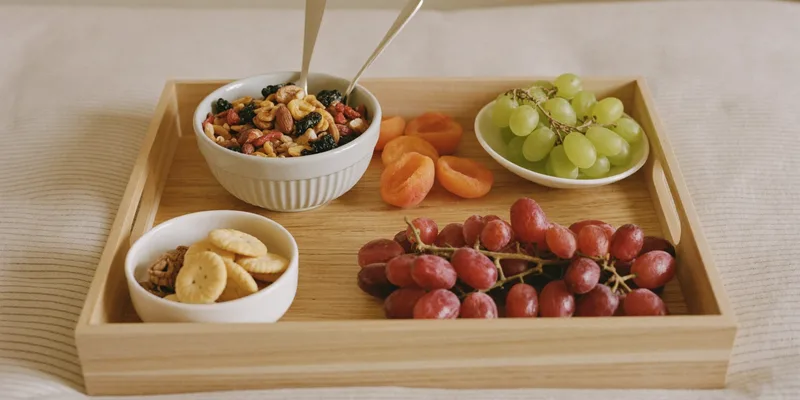
The snack bag lives in a room kept at a comfortable temperature for humans, which is warm for food. The winners are shelf stable, individually wrapped and low crumb: protein or granola bars, nut butter squeeze packets, dried fruit, nuts, jerky, crackers, pretzels and applesauce pouches.
The losers are equally predictable: chocolate anything, fresh fruit that bruises, yogurt without a cooler, and anything that needs a plate, a bowl or two hands. If eating it requires assembly, it is not a hospital snack.
The Format That Works Best One Handed
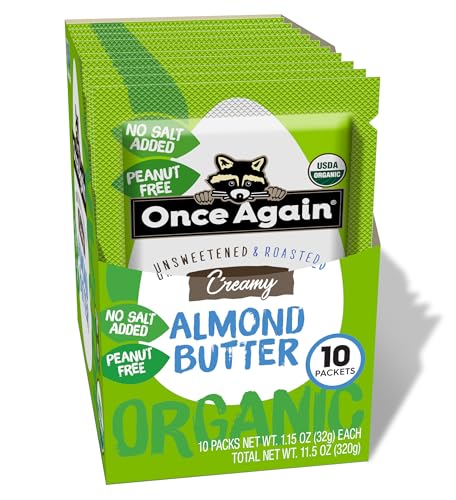
Squeeze packets are the format people mention most, because they open with one hand, need no spoon and leave nothing to clean up.
The Reliable Filler
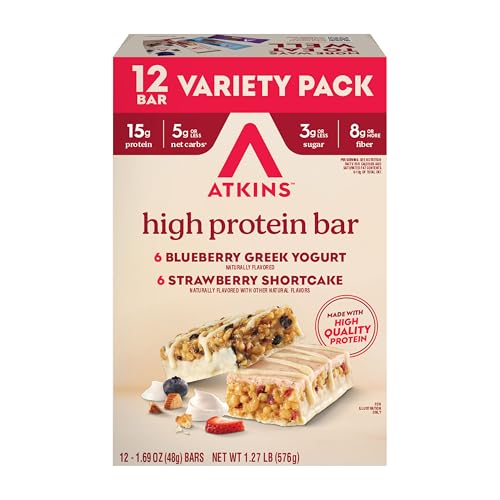
A variety pack of bars means nobody has to choose in advance, and the leftovers go straight into a diaper bag afterward rather than being wasted.
The Cooler Bag Changes What Is Possible
A small insulated bag with an ice pack extends the list considerably: cheese, yogurt, cut fruit, sandwiches and cold drinks all become options for at least the first day. Keep it in the car and bring it up when it is wanted rather than letting it sit warm in the room.
It also solves the going home problem. A cooler in the car means the partner can bring real food back from somewhere decent instead of doing another lap of the vending machines at two in the morning.
Small Enough to Carry, Big Enough to Matter
A compact insulated bag with a shoulder strap does the job and becomes the everyday bottle and lunch bag afterward.

Hydration Is the Part People Underestimate
Hospital rooms are dry, the stay is long, and the standard issue cup with a bendy straw holds very little. A large insulated bottle with a straw lid is the single most used item in the snack category, and it works while lying down, which the cup does not.
Pick one with a handle and a lid that stays put when it is knocked over, because it will be knocked over. Ice is usually available on the unit, so a bottle that keeps it is a genuine upgrade over a plastic one.
The Bottle That Gets Passed Back and Forth
A large insulated tumbler with a straw and a handle covers both of you and carries on being the bottle you use during the feeding months.

What to Pack and What to Leave
The table sorts by how the food behaves in a warm room, which is the only sorting that matters here.
| Snack | Warm room | One handed | Verdict |
|---|---|---|---|
| Nut butter packets | Fine | Yes | Pack several |
| Bars and granola | Fine | Yes | Variety pack |
| Dried fruit and nuts | Fine | Yes | Portion them out |
| Chocolate and candy | Melts | Yes | Cooler bag only |
| Yogurt, cheese, sandwiches | Needs cold | Mostly | Cooler in the car |
Snacks for the Weeks After
The habit that starts in the hospital carries straight into the first weeks at home, where one handed food becomes a daily requirement rather than a novelty. Buying a slightly bigger box of whatever works means the leftovers land exactly where they are needed.
Keep a stash next to wherever you end up feeding, along with a bottle of water. Our postpartum recovery kit guide covers the rest of what is worth having ready before you get home, and breastfeeding comfort gear covers the feeding side.
Ask a Professional Rather Than a Packing List
Anything about what you should be eating, during labor or afterward, belongs with your midwife, your OB-GYN or a lactation consultant rather than with us. We can tell you what survives a warm bag; they can tell you what suits your situation.
Frequently Asked Questions
Can I eat during labor? That depends on your hospital, your care team and your circumstances, and it is one of the questions worth asking at a prenatal visit. Guidance differs between hospitals, so no packing list can answer it for you.
Will the hospital feed my partner? Usually not as part of the stay, though cafeterias and vending machines exist. Cafeteria hours are the problem rather than the food, which is why the snack bag matters most overnight.
Is there a refrigerator in the room? Sometimes, and sometimes there is a shared one on the unit. Ask your hospital, since the answer decides whether you need the cooler bag at all.
What snacks travel worst? Chocolate, fresh soft fruit, anything crumbly and anything that needs cutlery. They either melt, bruise or make a mess in a room where you are already short of surfaces.
How much should I pack? Enough for the partner for a day, with more in the car. Overpacking food is easy to fix from a vending machine, but nothing is worse than a bag full of melted snacks nobody wants.
What about drinks other than water? Bring what you like in sealed containers, and keep anything that needs cold in the cooler. Ask your care team about anything you plan to drink during labor itself.
The Bottom Line
Pack single serving, shelf stable, low crumb food that opens with one hand, keep anything cold in a small cooler in the car, and bring a big insulated bottle with a straw. Then ask your midwife or OB-GYN what eating during labor looks like in your situation, because that part is theirs to answer and not ours. Read next: the full hospital bag checklist and the partner bag.