Last updated: August 23, 2026
Nobody warns you about the thirst. You sit down to feed, the baby latches, and within two minutes you would trade a great deal for a glass of water that is three feet away and might as well be in another building. That is the category this page is about: not the big purchases, the small ones that decide whether a feed is pleasant or grim.
None of it is essential and all of it is cheap. What follows is organized by where it lives, because the trick is not owning these things, it is having them within arm’s reach of the chair before you sit down.
This article contains affiliate links. If you buy through them, we may earn a commission at no extra cost to you. Learn more.
Quick Answer
What small gear makes breastfeeding more comfortable?
- A one handed water bottle and a caddy of supplies parked beside the chair.
- Nursing pads, a spare cover and burp cloths, in quantities that survive a laundry cycle.
- A dim, rechargeable light so night feeds do not wake the room.
- Clothing that opens easily, which matters more at three in the morning than anything else here.
Bottom line: set up one station properly and you will use it a dozen times a day.
The Feeding Station
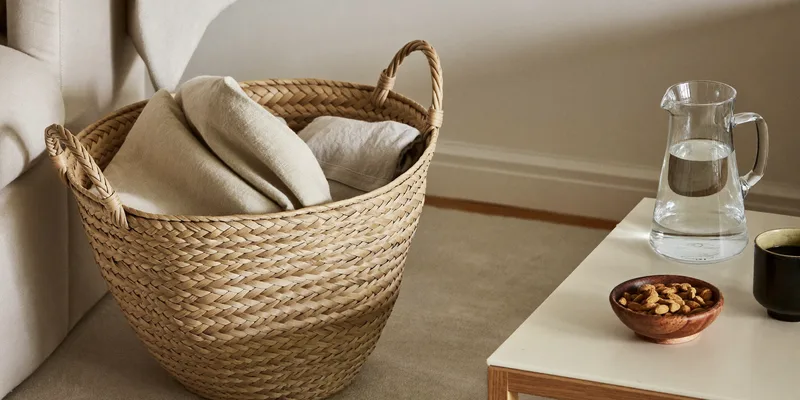
Build one spot and stock it. A chair, a surface within reach on your dominant side, a light you can dim, and a basket underneath holding everything you would otherwise have to stand up for. Owners consistently describe this as the single change that made feeding easier, ahead of any individual product.
If you feed in more than one room, build two smaller versions rather than carrying one around. A second basket costs very little compared to the number of times you will not have to get up.
Water You Can Drink One Handed
A large bottle with a straw and a flip lid, ideally one that will not tip when you knock it. Thirst during letdown is one of the most universally reported experiences of breastfeeding, and a bottle you have to unscrew and tilt is the wrong tool with a baby in your arms.

A Caddy That Holds the Rest
A fabric or felt organizer with compartments keeps nursing pads, cream, burp cloths and your phone cable in one place and moves between rooms in one hand. Anything with a rigid handle beats a soft basket here.

A Light That Does Not Wake Anyone
A rechargeable, dimmable light with a warm setting, placed so it lights the baby’s face and not your eyes. Overhead lights end sleep for everyone in the room, and a phone torch is too bright and too awkward to hold.

The Supplies That Run Out
Nursing pads, burp cloths and milk storage bags are the three things people underbuy. All of them get used several times a day, all of them end up in the laundry or the trash, and running out of any of them at two in the morning is a small disaster with a very simple prevention.
Buy more than feels reasonable of the washable items in particular, because your buying decision has to survive the gap between a full laundry basket and a clean load.
Nursing Pads
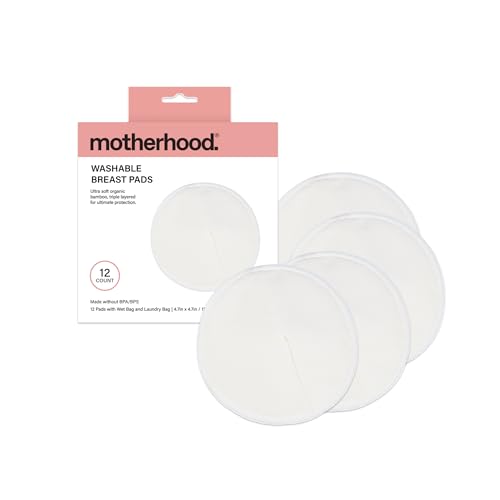
Disposables are convenient and thin under clothing, washable bamboo or cotton pads are softer and cheaper over time, and most people end up with both: washables at home, disposables in the bag. Owners report that fit and staying put matter more than absorbency.
Burp Cloths and Muslins
Large muslin squares are more useful than shaped burp cloths because they double as a cover, a shade and something to mop up with. Ten is not excessive.

Milk Storage
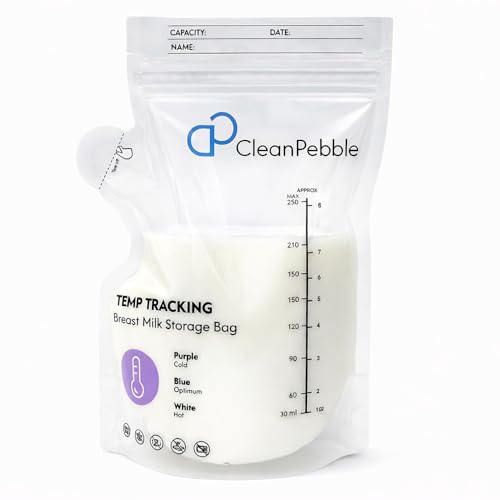
Pre sterilized bags that stand up while filling and lie flat when frozen. Write the date on before you fill it, not after, which is advice every experienced parent gives and every new one ignores once.
What to Keep Where
| Where | What lives there | Why | How many |
|---|---|---|---|
| Chair side caddy | Water, pads, cream, muslins, cable | Everything you would stand up for | One per feeding spot |
| Bedside | Dim light, water, two muslins | Night feeds without the overhead light | Minimal, keep it clear |
| Diaper bag | Disposable pads, cover, one muslin | Feeding away from home | Restock after every outing |
| Freezer or fridge | Storage bags, marker | Labeling before filling | More than you think |
The pattern that works is duplication rather than carrying one set around the house.
Comfort for You
Two things come up constantly in owner reviews: skin that feels sore in the first weeks, and clothing that makes feeding harder than it needs to be. Both are worth spending a little on, because both affect every single feed rather than an occasional one.
A plain lanolin or plant based nipple butter is the standard item for dry, sore skin, and many people keep a tube in every room. It is a comfort product rather than a solution, and persistent pain is a sign to get the latch looked at rather than to apply more cream.
Clothes That Open Easily
Nursing pajamas and a soft, easy bra do more for night feeds than any gadget. One handed access in the dark is the whole specification. Our guides to nursing bras and nursing nightgowns cover what to look for.

Covers, If You Want One
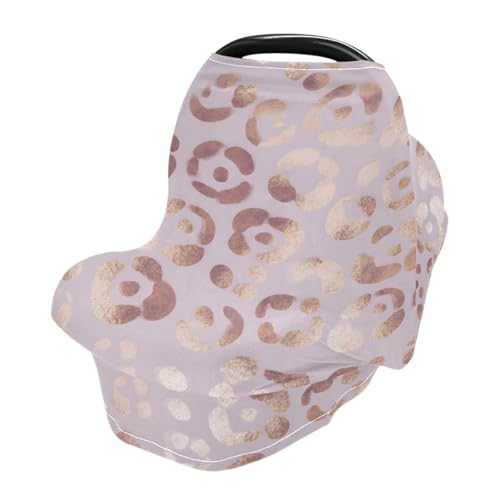
A multi use cover that doubles as a car seat canopy earns its space more than a single purpose apron. Plenty of people never use one, so this is firmly optional.
If You Are Also Pumping
Pumping adds its own small pile, and the one item that changes the experience is a bra that holds flanges properly so your hands are free. The bestselling option in that category also carries some of the loudest complaints, which are almost entirely about flanges slipping out of the side panels.
Our guides to pumping bras and flange fit by pump cover which designs hold which sizes, and are worth reading before you buy the popular one.

The Safety Note That Applies to All of It
None of this gear changes where a baby sleeps. A nursing pillow, a cover, a caddy and a soft chair are all part of an awake, supervised feed, and the baby goes onto a flat, firm, separate sleep surface afterward, as the AAP’s safe sleep guidance sets out and the CPSC standard for nursing pillows reinforces.
That includes the tempting moments: the pillow with a sleeping baby on it, the cover draped over a face, the caddy left within grabbing distance later on. Our safety page covers the specifics.
Frequently Asked Questions
What is the one thing worth buying first? The water bottle, closely followed by a caddy to keep everything else in. Both address the actual problem, which is being unable to get up.
Washable or disposable nursing pads? Both, in practice. Washables at home where the laundry is close, disposables in the bag where they will sit for weeks and need to stay flat and dry.
Do I need a nursing cover? Only if you want one. Plenty of people feed without and plenty prefer the option outside the house, so it is a preference rather than a requirement.
Is nipple cream necessary? Not necessary, but widely used for dry, sore skin in the early weeks. If the soreness continues past the first days or feels sharp, speak to a lactation consultant instead of buying a different cream.
What do people wish they had bought sooner? A dim rechargeable light and more muslins than seemed sensible. Those two come up repeatedly in owner reviews.
What can I skip? Anything single purpose and bulky. A dedicated nursing stool that only fits one chair, a cover that does nothing else, and gadgets that need charging tend to go unused. If it only does one job and needs storing, leave it off the list.
If feeding hurts, if your baby is not feeding well, or if you are unsure whether something you are using is helping, ask a lactation consultant or your pediatrician rather than adding another product.
The Bottom Line
Build one well stocked feeding spot, buy more muslins and pads than feels reasonable, and get a light and a water bottle you can manage with one hand. That is most of the comfort available, and it costs less than any single big purchase in the nursery. Read next: choosing a nursing pillow and what else belongs in the first weeks kit.