Last updated: August 23, 2026
Every name list on the internet is free, which makes buying a book about names look like a strange decision. Then you spend a week swiping through an app, arrive at a shortlist of nothing, and discover that the problem was never a shortage of names. It was that you and the other person involved were scrolling separately and never comparing anything.
That is what a physical book fixes. It sits on the coffee table, it gets opened by two people at the same time, and it holds pencil marks in the margin. Whether it is worth owning depends on which kind of book it is, because the category splits into three types that do completely different jobs.
This article contains affiliate links. If you buy through them, we may earn a commission at no extra cost to you. Learn more.
Quick Answer
Is a baby name book worth buying when apps are free?
- Yes if two people are deciding together. A book on the table beats two phones in separate rooms.
- Buy the style guide, not the phone directory, if you want help narrowing down rather than more options.
- Buy the huge list book only if you enjoy browsing thousands of entries and want origins and meanings.
- A notebook for the shortlist matters more than either. That is where the decision actually happens.
Bottom line: apps are better at searching, books are better at deciding, and the shortlist page is the useful part.
The Three Kinds of Name Book
The first kind is the giant list: tens of thousands of names with origins and meanings, organized alphabetically. The second is the style guide, which groups names by feel, era and association and tries to teach you how to think about them. The third is the workbook or journal, which is mostly blank and exists to hold your shortlist.
People buy the giant list and then wish they had bought the style guide. The list answers what exists, which you already had covered online. The style guide answers why you like one name and not another, which is the actual bottleneck.
The Style Guide: The One That Narrows Things Down
Laura Wattenberg’s The Baby Name Wizard is the standard here. Instead of a flat alphabetical list it gives each name a short profile, describes the sound and the associations, and then suggests names that sit in the same neighborhood. That last feature is the reason people keep it.
It is the right book if you have one name you both half like and no idea what else is near it. It is the wrong book if you want raw quantity. Reviewers who found it thin usually wanted a directory and bought an editorial guide by mistake.

The Big List: When You Want Everything
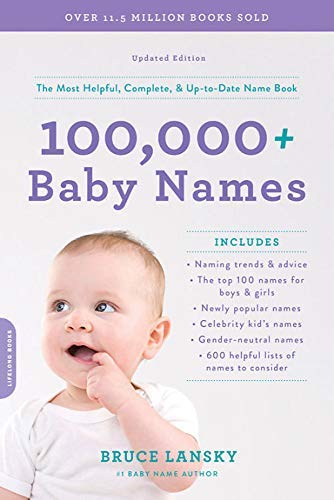
The hundred thousand name books exist because some people genuinely enjoy browsing. If you want origins, meanings, spelling variants and every name you have never heard of in one volume, this is the format, and it is cheap for the sheer amount of content.
How to Use One Without Drowning
Give each person a sticky note pad, work through one letter at a time, and mark anything that survives a first reading. Comparing two sets of marks is a much faster route to a shortlist than reading the whole book together. The book’s own top lists at the front are worth skipping, since that data is fresher online.
Books Versus Apps and Websites
Apps win on search, filters and current popularity data, which changes yearly and dates a printed book fast. Books win on browsing without an algorithm deciding what you see next, on being usable by two people at once, and on not turning name choosing into another thing you do on a phone at midnight.
The honest answer is that most couples end up using both. The app finds candidates, the book gives them context, and a notebook holds the survivors. If you are buying for someone else, the book is the giftable half of that arrangement.
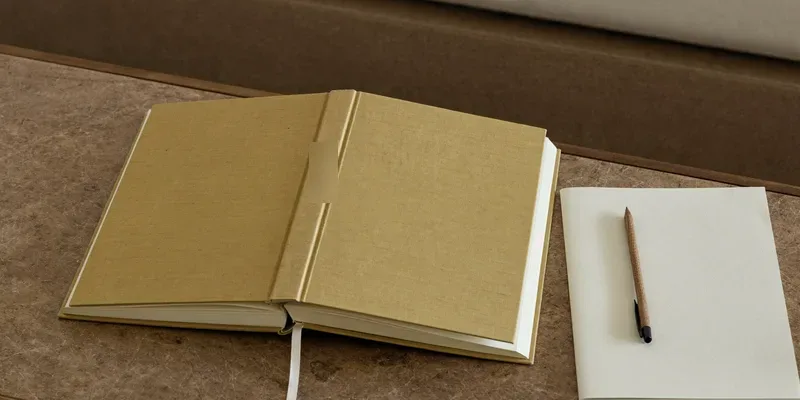
The Shortlist Notebook, Which Is the Underrated Purchase
The decision is not made by reading. It is made by writing eight names down, living with them for a fortnight, saying them out loud with the surname, and crossing off the ones that stop working. A dedicated notebook or a name section in a pregnancy journal is where that happens.
Keep the reasons next to the names. Six weeks later you will not remember why a name came off the list, and you will re-litigate the same argument. Two words in the margin prevents that entirely.

The Three Tests a Name Has to Pass
None of these are in the books, and all three kill more candidates than anything on the page. Say the full name out loud in the tone you would use to call a child in from a yard. Write the initials down. Then say it with the surname twenty times until it stops sounding like anything.
The last one is the useful one. Almost every name sounds wrong after twenty repetitions, so what you are testing for is not whether it still sounds nice, but whether anything about it snags. A name that snags at week twenty will snag at the registry desk too.
The Argument the Books Cannot Settle
If one of you loves a name and the other merely tolerates it, that name is not a winner yet. Owners of every name book in print report the same pattern: the name that eventually wins is usually the one both people were quietly relieved about, not the one either of them argued for hardest.
The Formats Compared
| Format | Strongest at | Weakest at | Suits |
|---|---|---|---|
| Style guide book | Explaining why a name feels the way it does | Sheer quantity | Couples stuck between a few names |
| Big list book | Origins, meanings, variants | Popularity data ages fast | Browsers who enjoy the process |
| App or website | Search, filters, current rankings | Two people using it together | Solo scrolling and quick checks |
| Shortlist notebook | Actually reaching a decision | Finding new candidates | Everyone, at the end |
Popularity rankings in any printed book reflect the year it was compiled. Check current lists online if that matters to you.
Buying One as a Gift
Name books are a safe gift because they carry no opinion about how anyone should give birth or raise a child. They are also a gift that gets used immediately rather than in month eight, which makes them a good pairing with an announcement present.
One caution: do not write your own favorites in the margin before wrapping it. It reads as a suggestion, and name suggestions from other people are famously unwelcome. Our guide to gifts for a pregnant friend covers what else pairs well.
Frequently Asked Questions
Are baby name books out of date? The name entries are not, but the popularity charts are. Names move up and down the rankings every year, so use the book for context and check current standings online.
Which book is best for unusual names? The style guides, because they group by feel and suggest neighbors. A giant alphabetical list buries the unusual ones among thousands of ordinary entries.
Do we need a book at all if we already have a shortlist? Probably not. At that stage a notebook and two weeks of saying the names out loud does more than any book will.
When do most people start looking? Often the second trimester, when the reading energy is back. Our guide to what to read in which trimester covers where this fits in the wider reading.
Is it worth buying two books? Rarely. One style guide plus a free app covers everything. Spend the difference on something that will be used after the birth.
The Bottom Line
Buy the style guide if you are stuck, the big list if you like browsing, and a notebook either way, because the shortlist is where the decision happens. Skip the printed popularity charts and check those online. Read next: our pregnancy books guide for the wider shelf, and pregnancy journals if you want the name pages inside something you are already keeping.