Last updated: August 23, 2026
The journal is open, the pen is in your hand, and the only sentence that comes out is a date. This is the most common reason a pregnancy journal stalls, and it has nothing to do with wanting to write. It is that the obvious material feels either too big to summarize or too small to bother with.
The fix is a list of things to write about that are small enough to answer in one line. What follows is that list, grouped by the kind of week you are having, plus a rhythm that survives the months when you are too tired to be reflective. None of it requires you to be a writer.
This article contains affiliate links. If you buy through them, we may earn a commission at no extra cost to you. Learn more.
Quick Answer
What should you write in a pregnancy journal?
- The ordinary stuff. What you ate, what you wore, what the room looked like. This is what you will not remember.
- One line on how the week felt, physically and otherwise, without grading yourself on it.
- What other people said, especially the things that annoyed you. Those age into comedy.
- Questions you want to ask at the next appointment, so the page does something useful too.
Bottom line: aim for one honest line a week rather than a page a month, and let the boring weeks be boring on paper.
Start With the Boring Things
The entries people value years later are almost never the big announcements. They are the small details that seemed too dull to record: the specific food you could face that month, the show you had on in the background, the walk you took every evening because sitting was uncomfortable. Photographs cover the milestones. Nothing else covers the texture.
So make the boring stuff the default entry. If you write only what you ate and where you were, you will still have something worth rereading, and you will have removed the requirement to be interesting.
A One Line Format That Always Works
Date, one physical detail, one thing that happened, one thing you thought. Four fragments, no full sentences required. It fits in a guided journal box and takes under a minute, which is why it survives the weeks a longer format does not.
Prompts for the First Trimester
Early entries are mostly private, because most people have not told anyone yet. That secrecy is itself the material: what it is like to know something enormous at a work meeting where nobody else does. Write that down while it is still true, since it stops being interesting the moment the news is public.
Useful prompts for this stretch: how you found out and who was in the room, the first person you told and what they did, what you can and cannot stand to eat, how you are covering for yourself socially, and what you are most curious about.
The Entry Most People Are Glad They Wrote
A letter to the baby, written before you know anything about them. It reads oddly at the time and lands completely differently later. One page is plenty, and you never have to show it to anyone.
Prompts for the Second Trimester
This is the stretch where the pregnancy becomes visible and public, so the material shifts outward. Record the announcement and the reactions, the first time a stranger noticed, the point at which your own clothes stopped working, and the first movement you were sure about.
It is also when practical decisions start piling up. Writing down what you chose and why gives you a record that is genuinely useful the second time around, whether that is which maternity leggings you actually wore or which pregnancy pillow ended up in the bed.
Prompts That Age Well
What people keep saying to you. What you have stopped apologizing for. What you thought parenting would be like before anyone gave you advice. All three are funnier and stranger to read back than any milestone entry.
Prompts for the Third Trimester
The last stretch produces short entries, because energy is short. Lower the bar rather than the frequency: a few words a week beats a heroic page in month eight followed by silence. Write what is uncomfortable, what you are looking forward to, and what you are quietly nervous about.
Practical entries earn their keep here. What is packed and what is still missing, who is on the list to call, what you decided about visitors. Our hospital bag checklist covers the packing side, and the journal is a good place to note what you deliberately left out and why.
The Waiting Weeks
If you go past your due date, the entries get repetitive and slightly unhinged, and that is worth keeping exactly as it is. Nobody remembers how long those days felt unless they wrote it down. Anything that worries you in this stretch goes to your midwife or OB-GYN rather than into the journal alone.
A Prompt for Every Kind of Week
| Kind of week | Prompt | Length | Why it works |
|---|---|---|---|
| Nothing happened | What did today look like, hour by hour | Three lines | Ordinary detail is what memory loses |
| Too tired to think | Three words for how this week felt | Three words | Keeps the streak without effort |
| Something changed | What is different from last month | A short paragraph | Catches gradual change you cannot see |
| An appointment week | What you want to ask next time | A list | Turns the journal into a useful tool |
| An emotional week | What you would tell a friend about it | As long as it takes | Easier than writing to yourself |
Pick one row and use it. The point of the table is that there is always an entry available, even when there is nothing to report.
What to Leave Out
Leave out anything that turns the journal into a scorecard. Weight, measurements you were given at appointments, and comparisons with what someone else’s pregnancy looked like all belong somewhere other than a book you will reread. Your prenatal care provider keeps the numbers; you keep the story.
Also leave out anything you are only writing because a prompt told you to. A skipped prompt is not a hole in the record. If a page asks you a question you do not want to answer, cross it out and write something else in the space, which is what people who finish journals actually do.
Keeping the Habit Alive
Attach the writing to something that already happens every week rather than to willpower. Sunday night, after an appointment, or straight after the weekly bump photo are the three anchors people report working. The journal lives next to whatever the anchor is, not in a drawer.
Choose the physical book for the same reason. A journal that opens flat, takes a normal pen without bleeding through and has short prompt boxes gets used; a precious one does not. Our pregnancy journal guide compares the formats, and the first pregnancy version covers the prompted layouts that suit a first time round.
If You Want Something to Write Into Tonight
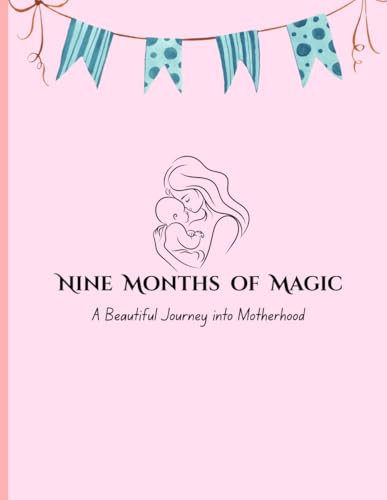
A simple prompted weekly journal removes the blank page problem entirely, since the question is already printed and you only have to disagree with it.
Frequently Asked Questions
How often should I write? Weekly is the rhythm most journals are built around and the one most people sustain. Monthly works too and produces fewer, longer entries. Daily is a trap unless you already keep a daily diary.
What if my handwriting is terrible and the book is nice? Then buy a less nice book. A journal you are afraid to mark is a journal that stays empty, which is a worse outcome than untidy pages.
Should I write letters to the baby? If you want to. They are the entries people most often say they are glad they wrote, and also the ones that feel most awkward at the time. One or two across the whole pregnancy is plenty.
Can I journal on my phone instead? Yes, and notes apps or voice memos catch things paper misses because they are with you. The usual pattern is capturing on the phone during the week and copying the keepers into the book, which also gives you a reason to open it.
What do I do about the weeks I missed? Nothing. Leave them blank and carry on. Backfilling from memory is fine if you enjoy it, and inventing entries to make the book look complete is not worth it.
Should I write about symptoms? Write what you noticed, not what you concluded. A journal is a bad place to diagnose yourself, and anything that keeps showing up on the page is a good thing to raise with your midwife or OB-GYN at the next visit.
The Bottom Line
Write the ordinary things, keep the weekly entry short enough to survive a bad week, and let the boring pages stay boring. The record you will value is made of small detail rather than milestones, and the habit that lasts is the one attached to something you already do. Read next: which journal format fits you, and scrapbooks and keepsake boxes if the tickets and scan images need somewhere to live too.