Last updated: August 23, 2026
Most people buy their pregnancy books in one go, usually in the first few weeks, usually four at once. Then three of them sit on the nightstand while the fourth gets read in the bath. It is not a discipline problem. It is that a book written for the last two months is nearly unreadable in the first two, and a book written for the first two has nothing left to say by the end.
Spreading the same money across the whole nine months works better. You read what is relevant to the weeks you are actually in, you stop paying for chapters you will never open, and the birth book arrives while you still have the attention span for it. Here is what tends to be worth reading in each stretch, and what to leave for later.
This article contains affiliate links. If you buy through them, we may earn a commission at no extra cost to you. Learn more.
Quick Answer
Which pregnancy books should you read in which trimester?
- First trimester: one reference you can dip into, nothing that asks for a plan.
- Second trimester: the longer reads, the decision books, the one you finish cover to cover.
- Third trimester: a birth book and a partner book, both short enough to actually finish.
- Buy the after book early, leave it sealed, and be glad it is already in the house.
Bottom line: one book at a time, bought for the weeks you are in, beats a stack bought in week six.
Why Timing Changes What a Book Is Worth
The same book lands completely differently depending on when you open it. Early on, most people want orientation and reassurance in small pieces. In the middle, there is energy for a long argument. At the end, attention is short and the questions are practical. A book that misses that window gets abandoned, not because it is bad but because it arrived at the wrong moment.
There is also a reading capacity curve that nobody warns you about. The first trimester is often the most tired you will be, and the last month is when you sleep worst. The middle stretch is the one where a four hundred page book is realistic, so that is where the substantial reading belongs.
First Trimester: One Reference, Nothing That Asks for a Plan
In the first weeks you want something to look things up in, not something to work through. A week by week reference does that job: you read the entry for where you are, close it, and come back next week. Anything that asks you to decide on a birth philosophy is too early, and it will still be there in month five.
The other useful category right now is the calm, evidence flavored read that treats you as an adult who can weigh things up. Emily Oster’s Expecting Better is the most recommended book in this slot because it lays out how the author read the research on common questions rather than issuing rules. She is an economist writing about how to think about trade offs, and readers either love that framing or find it cold.
What to Skip in These Weeks
Skip the birth books, skip the feeding books, and skip anything with a photo of a newborn on the cover. They are not wrong, they are just months away, and reading them now mostly produces worry with nowhere to put it. Skip the shopping checklists too, since the useful version of that conversation happens once you know what your body is doing.

Second Trimester: The Window Where Long Books Get Finished
This is the stretch where energy usually returns and the bump is not yet in the way of sitting comfortably. It is the only reliable window for a long book, so put the substantial one here. A full reference guide read properly, rather than dipped into, does its best work in these three months.
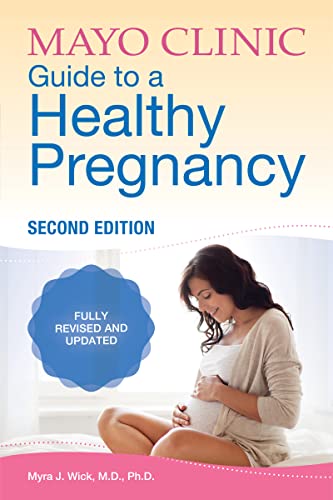
The Mayo Clinic Guide to a Healthy Pregnancy is the standard pick for people who want one thick, plainly written reference from a medical institution rather than a personality. It is organized to be looked things up in, the tone is flat in a good way, and it does not try to be your friend. If you want warmth and jokes, it is the wrong book, and that is a real preference rather than a flaw.
The Second Book This Trimester Can Carry
If you are going to read a journal or a keepsake, start it now while the weeks still feel worth recording. Our guide to the pregnancy journal formats covers guided prompts versus blank pages, and the middle trimester is when most people who keep one actually keep it.
Third Trimester: Birth Books, and Make Them Short
Now the subject changes from pregnancy to labor and delivery, and the reading budget shrinks at exactly the same time. Two books fit: one that describes how birth tends to unfold, and one written for whoever is going to be in the room with you. Both should be finishable in a couple of weeks.
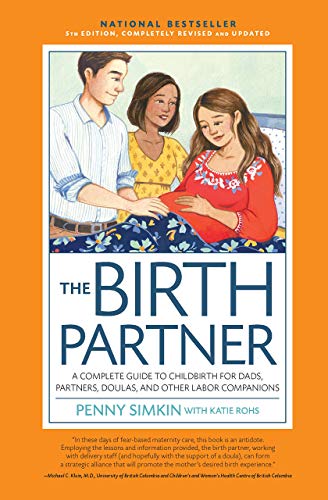
The partner book is the one people underrate. Penny Simkin’s The Birth Partner is written for the support person rather than the pregnant reader, which makes it the rare pregnancy purchase that someone else is actually supposed to open. Our childbirth books guide sorts the birth titles by approach if you want to compare styles before choosing.
The Books That Do Not Belong to One Trimester
Some books ignore the calendar entirely. Baby name books get opened at random for nine months and then abruptly matter a great deal. Journals run the whole way through. Books written for partners, siblings and grandparents are bought when the news is shared, not when a particular trimester starts.
Treat those as a separate shelf rather than a trimester slot. Our roundups of baby name books and books for partners cover them properly, and neither one competes for the reading time your main book needs.
Buy the After Book Early and Leave It Sealed
The books about the first weeks with a newborn are the ones nobody has the presence of mind to order once the newborn exists. Buying one in the third trimester and putting it on the shelf unread is the single most practical thing on this page. You will not read it in advance, and that is fine.
The First Forty Days is the usual choice here because it is structured around rest, food and small practicalities rather than around instructions. Our postpartum books guide goes through the options, and the breastfeeding books guide covers the feeding side, which is the other thing people wish they had bought in advance.

The Reading Plan in One Table
| Stretch | What to read | Format that works | What to leave alone |
|---|---|---|---|
| Weeks 1 to 13 | One week by week reference plus an evidence style read | Dip in and out, short sittings | Birth books, feeding books, checklists |
| Weeks 14 to 27 | The long reference or the one big book | Cover to cover, longest attention span of the nine months | Anything you will need to re-read at the end |
| Weeks 28 to birth | A birth book and a partner book | Short, practical, skimmable | Four hundred page references |
| Bought early, read later | Postpartum and feeding books | Sitting on the shelf, sealed | Reading them in advance and worrying |
Week ranges here are the common way trimesters are described in the books themselves, not a rule about your pregnancy. Your midwife or OB-GYN is the person to ask about anything that depends on your own dates.
Frequently Asked Questions
How many pregnancy books do I actually need? Two or three read properly beat six bought at once. Most people finish one reference, one birth book, and one that was a gift. If you are buying for someone else, one book plus a journal is a better present than a stack.
Is it too late to start reading in the third trimester? No, but change what you buy. Skip the thick reference and go straight to a short birth book and a partner book. Those are written to be useful in weeks, not months.
Should I read the week by week entries ahead of time? Most people who do it end up anxious about things that are still months away. Reading the current week and no further is the common advice from readers who kept a reference all the way through.
Do I need a different book for a second pregnancy? Usually a much shorter one. What changed since last time, and how to handle an older child, are the two real questions. Our guide to books for second time moms is built around exactly that.
What if the reading makes me more worried, not less? Put the book down. That is a common reaction to detailed chapters about complications, and it is not a sign you are missing something. Take the specific worry to your midwife or OB-GYN, who can answer it for your pregnancy rather than in general.
The Bottom Line
Buy one book for the weeks you are in, not four for the whole nine months. A reference early, a long read in the middle, a birth book and a partner book at the end, and one postpartum book bought in advance and left sealed. Read next: our main pregnancy books guide for the full shortlist, and books for first time moms if this is your first.