
Last updated: August 23, 2026
Nobody reads a breastfeeding book at a convenient hour. It gets opened one handed at three in the morning, with a phone light, while something is going wrong and the hospital is a memory. That single fact should decide which one you own, because a beautifully argued book with no index is useless in that moment and a plain one with a good contents page is worth its weight.
The other thing worth saying up front: a book is not a substitute for a lactation consultant. What it can do is give you the vocabulary, tell you what is common, and help you work out whether the thing happening at three in the morning is a question for tomorrow or a call to make today. Here are the books that do that job, sorted by the kind of reader they suit.
This article contains affiliate links. If you buy through them, we may earn a commission at no extra cost to you. Learn more.
Quick Answer
Which breastfeeding book is worth owning?
- One thick reference with a real index, for looking things up at night.
- One short, calm read for before the birth, so the vocabulary is already familiar.
- A pumping and back to work book only if you know you will be pumping.
- Buy them in the third trimester. Nobody orders books in week one with a newborn in the house.
Bottom line: a reference you can search beats a book you have to read, and neither one replaces a lactation consultant.
What to Look for Before You Buy
Three things separate a useful breastfeeding book from a pretty one: a detailed index, a troubleshooting section organized by symptom rather than by chapter theme, and a tone that does not make one feeding route sound like a moral position. Check all three on the sample pages before ordering.
Illustrations matter more here than in any other pregnancy book. Positioning and latch are physical, and a clear line drawing communicates in a second what a paragraph struggles with. Books that are all text tend to sit unread once the thing you need to check is a shape.
The Big Reference: The Womanly Art of Breastfeeding
Published under the La Leche League name, this is the thickest and most widely owned title in the category. It covers the early days, common problems, going back to work and weaning, and it is organized so that you can find a topic rather than read straight through. That structure is the reason it survives on nightstands.
It comes with a viewpoint. La Leche League is a breastfeeding advocacy organization and the book reads that way, which some readers find encouraging and others find hard going if things are not working. That is the author’s position rather than ours, and if feeding is not going the way you hoped, that is a conversation for a lactation consultant rather than a book.

The Practical Handbook: Breastfeeding Made Simple
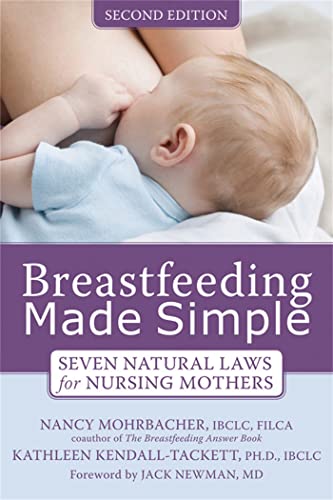
This is the pick for readers who want mechanics without philosophy. It is built around a small number of core concepts and it explains why things work the way they do, which makes it easier to solve a problem you have not read about specifically. It is shorter than the big reference and considerably easier to finish.
Why the Short One Often Gets Used More
A book you finished before the birth gives you a mental map, and a map is what you want at three in the morning. Owners frequently mention reading this one in the third trimester and then only opening the thick reference when something specific came up. That combination works better than owning one of either.
The Nursing Mother’s Companion: The Middle Option
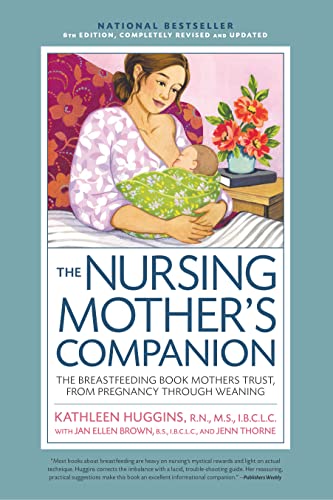
Kathleen Huggins’ book sits between the two: reference enough to look things up in, short enough to read through, and organized by stage so the early weeks are separated from later questions. It is the one most often recommended by people who want a single purchase rather than a pair.
The survival guide style layout is the selling point. Problems are listed by what you notice rather than by what the technical name is, which is the right way round for a reader who does not yet know the vocabulary. If you are only buying one book in this category, this is the safe choice.
Pumping and Going Back to Work
If you know you will be pumping, that is a separate book. The logistics of a pumping schedule, milk storage, and negotiating breaks at work are barely covered in the general titles, and they are the questions that actually generate panic in the weeks before maternity leave ends.
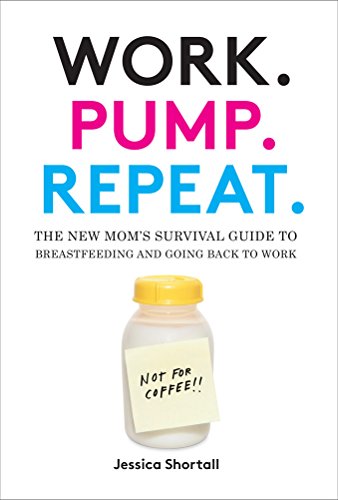
Work. Pump. Repeat. is the best known of these and it is written as a practical, occasionally funny handbook about the working side rather than the feeding side. Pair it with our guides to the hands free pumping bra and flange fit, since the gear problems are the ones that make or break a pumping routine.
The Books Compared
| Book | Length | Strongest at | Suits |
|---|---|---|---|
| The Womanly Art of Breastfeeding | Thick reference | Index and breadth | Looking things up at night |
| Breastfeeding Made Simple | Short | Explaining the mechanics | Reading before the birth |
| The Nursing Mother’s Companion | Medium | Problems listed by symptom | Anyone buying only one |
| Work. Pump. Repeat. | Short | Pumping logistics and work | Returning to a job on a schedule |
These descriptions cover each book’s structure and tone. None of them is a substitute for personal advice about your own feeding.
What a Book Cannot Do
It cannot look at a latch. Almost every early feeding problem is physical and specific, and the person who can watch a feed and adjust it in real time will get you further in twenty minutes than any chapter will. That is what a lactation consultant is for, and in many places one is available through the hospital before you leave.
Use the book for what it is good at: knowing what is common, knowing what the words mean, and knowing when something is worth a call. If you are in pain, if feeding is not going the way you expected, or if you are worried about anything at all, contact a lactation consultant, your midwife or your pediatrician rather than reading further.
Frequently Asked Questions
Do I need a breastfeeding book if I am taking a class? The class covers the first days, the book covers month three. Most people who take a class still keep one reference, because the questions that come up later are not the ones the class had time for.
Should I read it before the birth? Read the short one before and keep the thick one for after. Reading a full reference cover to cover in the third trimester is a lot of detail about problems you may never have.
What if I plan to combine feed or use formula? Look for a book that treats that as normal rather than as a failure, and check the contents page for a chapter on it. Several of the advocacy flavored titles are thin here, which is worth knowing before you buy.
Is there a book for partners? A few chapters exist inside the general titles, and they are the ones worth handing over. Our books for partners guide covers what else is written for the support role.
Which gear does the book assume I have? Most assume a feeding pillow and something to wear that opens. Our guides to the nursing pillow and the nursing bra cover both, and nursing pillow safety covers the part the books state plainly: these are for feeding while awake, never for sleep.
The Bottom Line
One short book read before the birth and one thick reference on the shelf is the combination that gets used. Add a pumping book only if pumping is part of the plan. Read next: our breastfeeding comfort gear guide for the small things that make feeding easier, and the nursing pillow guide for the one piece of gear every book assumes.