
Last updated: August 23, 2026
The first pregnancy is the one where you do not yet know which kind of reader you are. Everything is new, the questions arrive at odd hours, and the standard advice is to buy the book everyone else bought, which works about half the time.
This page sorts the usual recommendations by reading style rather than by popularity, because the difference between a book you finish and a book you abandon is almost never the accuracy. It is whether the voice suits you at eleven at night when something feels strange.
This article contains affiliate links. If you buy through them, we may earn a commission at no extra cost to you. Learn more.
Quick Answer
Which pregnancy books are worth it for a first time mom?
- One reference for looking things up as they happen, because the questions are unpredictable.
- One book in a voice you like, whether that is analytical, calm or blunt.
- One book about birth itself, since references compress it into a chapter.
- Optionally one about the first weeks at home, which is the part nobody prepares for.
Bottom line: two books read beats five books owned, so choose by tone and stop there.
Work Out Which Reader You Are
There are three broad types and you probably already know yours. The looker up wants an index and short entries. The reasoner wants to know why a rule exists before following it. The settler wants a calm voice and a sense of what is normal, without a symptom list to scroll through at midnight.
Buying against your type is the classic first pregnancy mistake. An analytical reader finds the reassuring books vague, and an anxious reader finds the exhaustive symptom coverage in the big references genuinely unhelpful.
Why This Matters More the First Time
With a second pregnancy you have a baseline for what is normal. Without one, the book is doing more work, and its tone lands harder. That is why the same title collects both five star and one star reviews from people who are equally intelligent and equally pregnant.
If You Want a Reference to Look Things Up
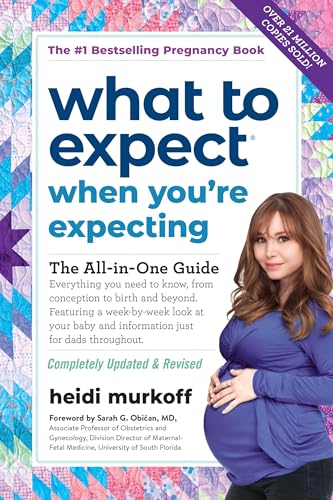
What to Expect When You’re Expecting is organized chronologically with short entries on symptoms, appointments and development, and it is the most widely owned pregnancy book in the country. It answers the two in the morning question quickly, which is exactly what a first time reader wants.
The caveat is well documented: some readers find the completeness of the symptom coverage makes them worry about things they had not thought of. If that sounds like you, the calmer clinical reference below is the better buy.
The Calmer Reference
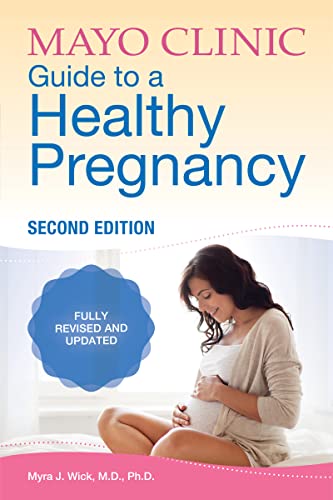
The Mayo Clinic Guide to a Healthy Pregnancy covers the same territory in a flatter, institutional voice, with less anecdote and less reassurance language. Readers who want facts without a chatty frame usually prefer it, and our comparison lays out the difference.
If You Want the Reasoning
Expecting Better by Emily Oster works through the evidence behind the familiar list of pregnancy rules and explains what the underlying studies do and do not show. Oster is an economist, and the book reads as an argument you can follow rather than a set of instructions.
It is a companion to a reference rather than a replacement, since it is not organized for lookups. Whatever it prompts you to reconsider is still a conversation for your own midwife or OB-GYN, because a book cannot know your history.

If You Want a Calmer Voice
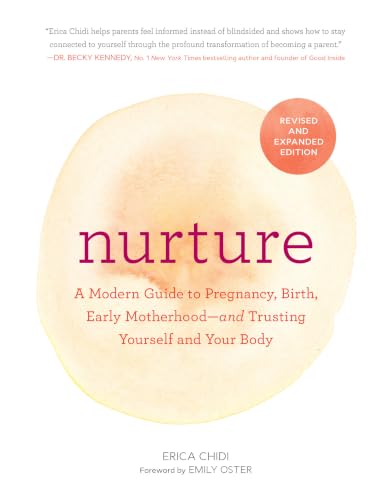
Nurture by Erica Chidi is the book people reach for when the big references feel clinical or overwhelming. It is illustrated, organized around preparation and self care rather than symptom lists, and written in a deliberately steady tone that covers birth and the early weeks too.
It suits readers who want orientation rather than an encyclopedia, and it is a common gift because it looks and feels like one. It is not the book to buy if you want an index.
Matching the Book to the Reader
| If you are | Look for | Typical pick | Skip |
|---|---|---|---|
| A looker up | Index, short entries, chronological | A week by week reference | Narrative and essay books |
| A reasoner | Sources, arguments, tradeoffs | A data driven guide | Reassurance led writing |
| Prone to worry | Calm tone, no symptom catalogs | A modern guide or clinical reference | Exhaustive symptom coverage |
| Short on time | Audio, short chapters | An audiobook edition | Heavy hardbacks |
If you are short on time, audiobook editions solve the problem better than a shorter book does.
The Two Books Nobody Suggests Early Enough
The first is about birth itself, because pregnancy references give it a chapter and it is the part first time readers have the least reference for. Our childbirth books guide covers the range, from neutral overviews to books arguing for a particular approach.
The second is about the weeks after. The First Forty Days by Heng Ou frames that period around rest, food and practical support, and it is the book people most often say they wish they had read before rather than after. Our postpartum books page covers the shelf.

What to Skip on a First Pregnancy
Three references that repeat each other, anything promising a method with a guaranteed outcome, and the very large hardbacks that never leave the shelf because they are too heavy to hold in bed. Owners report reading the small paperback and the audiobook, not the coffee table volume.
Skip books on parenting philosophy for now as well. They are a different decision, they are easier to judge once the baby exists, and they crowd out reading you will actually use in the next few months.
Frequently Asked Questions
When should I start reading? Whenever you want the orientation. A reference is useful from the first weeks because that is when the odd questions start, while birth focused books tend to land better later on.
Do I need one for my partner too? A labor manual written for the support person is genuinely useful in the room. See our guides to books for dads and books for partners.
Paperback, ebook or audio? References work best in print, narrative books work well in audio, and ebooks are the best middle ground for reading at night without a lamp.
Is one book enough? For plenty of people yes. If you buy only one, make it a reference, since that is the format that answers questions you have not thought of yet.
What if a book contradicts my midwife? Your midwife wins, every time. Books describe general cases and your provider knows your history and your pregnancy.
Should I buy a pregnancy journal too? Many people want somewhere to put the appointment notes and the questions they keep forgetting to ask. Our pregnancy journal guide covers guided against blank.
Books are for orientation, not for decisions about your own care. Anything that applies to you specifically belongs with your midwife or OB-GYN.
The Bottom Line
Decide whether you want a lookup tool, an argument or a calm voice, buy one of those plus something about birth, and leave the rest. Two books you finish are worth more than a shelf you feel guilty about. Read next: the full pregnancy books guide and what to read and when.