Last updated: August 23, 2026
These two get compared constantly, usually by someone who has just been handed one of them and is wondering whether to buy the other. It is a strange comparison, because they are not really competing. One is a reference book that covers the whole nine months and one is an argument about how to make a handful of decisions.
What people are actually asking is a tone question. Do you want a book that tells you what most people do, or a book that shows you how one author read the research and then decided for herself? Those are different relationships with a reader, and the answer is mostly about temperament rather than about which book is better.
This article contains affiliate links. If you buy through them, we may earn a commission at no extra cost to you. Learn more.
Quick Answer
Expecting Better or What to Expect, which one should you buy?
- Buy What to Expect if you want one thick reference that covers every month and every common question.
- Buy Expecting Better if you want the reasoning behind a smaller set of decisions and dislike being told what to do.
- They overlap far less than people assume, and plenty of readers keep both.
- Neither one answers a question about your own pregnancy. That is what your midwife or OB-GYN is for.
Bottom line: reference book versus argument book. Pick the one that matches how you like to be talked to.
What Each Book Is Trying to Be
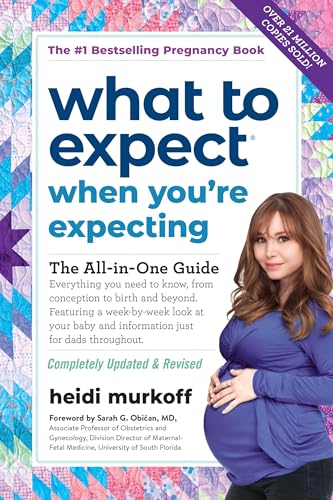
What to Expect When You’re Expecting is a comprehensive reference organized by month, with long question and answer sections covering symptoms, tests, work, travel and everything else. It aims to have an entry for whatever you type into a search bar at two in the morning.
Expecting Better is narrower on purpose. Emily Oster is an economist, and the book walks through a set of common pregnancy rules, describes what she found when she read the studies behind them, and explains how she weighed the trade offs. The scope is small and the method is the point.
The Tone Difference, Which Is the Real Difference
What to Expect speaks to a reader who wants to be told. The voice is warm, extremely thorough, and organized around reassurance, and the sheer length of the concerns sections is what generates its reputation. Readers who love it call it complete; readers who do not call it overwhelming.
Expecting Better speaks to a reader who wants to be shown the working. It is dry, occasionally funny, and it never asks you to accept a rule just because it is a rule. Readers who love it say it made them feel like an adult; readers who do not say it reads as cold and that they wanted guidance rather than a table.
The Anxiety Question
People who describe pregnancy books as anxiety inducing are almost always describing the long lists of things that can go wrong in a comprehensive reference. That is a structural side effect of completeness rather than a flaw in the writing. If you know you spiral, the narrower book is the safer purchase, and skipping the complications chapter of any reference is a reasonable choice.

Coverage: Where the Overlap Actually Is
The overlap is small. What to Expect covers the full arc from the first weeks to the early days at home, month by month, with sections on nutrition, tests, symptoms and birth. Expecting Better covers a subset of decisions in depth and leaves everything else alone.
That is why so many people end up with both, usually without planning to. One is the book you open when you have a specific question about week twenty three, and the other is the book you read on the couch and then argue about with your partner.
Which One Suits Which Reader
Buy What to Expect If
You want one book to answer everything, you like a month by month structure, you are the kind of reader who uses an index, or this is your first pregnancy and you want the widest possible net. It is also the more useful book if your partner is likely to look things up in it, because the structure is obvious.
Buy Expecting Better If
You get irritated by rules without reasons, you want the trade offs laid out, or you already have a reference and want something to actually read. It is the better book for a second pregnancy, when the general information is familiar and the specific decisions are what you are still weighing.
Side by Side
| Feature | What to Expect | Expecting Better | Which matters |
|---|---|---|---|
| Structure | Month by month reference | Decision by decision argument | How you plan to use it |
| Scope | Very broad, whole pregnancy | Narrow, a set of common questions | Whether you want one book or two |
| Tone | Warm, thorough, reassuring | Dry, analytical, unsentimental | The deciding factor for most readers |
| Reads best | Looked up as needed | Straight through | Your reading energy |
This compares how the two books are written and organized. Neither is a source of advice for your own pregnancy, and anything either raises that concerns you is a question for your midwife or OB-GYN.
If You Only Want One
For a first pregnancy with no strong feelings either way, the reference is the safer single purchase, because it answers more questions and it is the one you will still be opening in month eight. Add the second book later if the tone starts to grate.
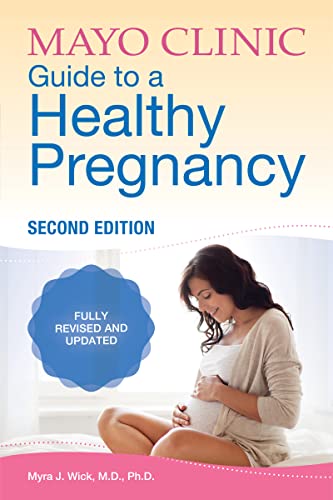
If you already know you dislike being told what to do, invert that. Buy the argument book, use the internet and your appointments for the lookup questions, and skip the doorstop entirely. Our comparison with the Mayo Clinic guide covers the other main reference option if you want the thorough one without the tone.
Frequently Asked Questions
Is What to Expect out of date? It has been revised repeatedly and current editions reflect that, but any reference ages between editions. Check the edition on the listing, and treat specific guidance as something to confirm at your appointments.
Does Expecting Better tell me what to do? Not exactly. It describes what the author found and what she chose, and leaves the decision with you. Readers who wanted an instruction sometimes find that frustrating.
Which is better as a gift? The reference, unless you know the recipient’s taste. The argument book is a strong preference either way, and gifting it can read as a comment on how they should think.
Should I read either one cover to cover? Expecting Better, yes. What to Expect, no. Read the current month and the sections you need, which is how it is designed to be used.
What if the two books disagree? They sometimes will, because one reports common practice and the other reports one reading of the research. That disagreement is a good question to bring to your midwife or OB-GYN rather than something to settle at home.
The Bottom Line
These are not rivals. One is the reference you look things up in, the other is the argument you read on the couch, and the choice is a question of temperament rather than quality. Read next: our full What to Expect review and the pregnancy books guide for everything else on the shelf.