Last updated: August 23, 2026
Someone will hand you this book. That is close to a rule. A mother, a mother in law, a coworker who kept her copy, or the baby shower guest who could not think of anything else. It is the title most people can name without thinking, and the publisher’s own description puts it at 18.5 million copies in print, which explains why it keeps arriving in gift bags.
It is also the book people argue about the most. Read the owner reviews and two camps appear immediately: readers who wanted a thick reference they could look things up in, and readers who found the question and answer format made them worry about symptoms they did not have. Both groups are describing the same book accurately. This is an honest look at which camp you are likely to land in before you commit to carrying it around for nine months.
This article contains affiliate links. If you buy through them, we may earn a commission at no extra cost to you. Learn more.
Quick Answer
Is What to Expect When You’re Expecting still worth reading?
- It suits you if you want one thick month by month reference to look things up in rather than a book to read cover to cover.
- It suits you less if reading a long list of possible symptoms makes you anxious. That is the most common complaint owners raise.
- The current edition is the sixth, and it integrates advice for partners throughout instead of putting it in a separate chapter.
- Most people end up with two books: this one as the reference, and a second one with a voice they actually enjoy.
Bottom line: buy it as a lookup manual, not as bedtime reading, and pair it with something warmer if worry is your default setting.
What This Book Actually Is
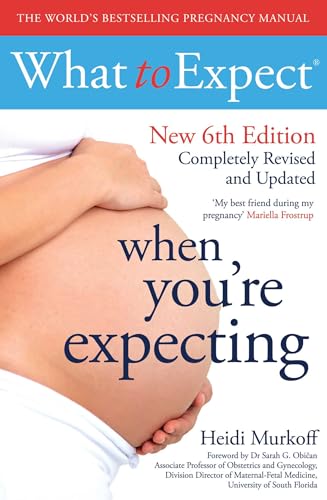
It is a reference manual in the shape of a paperback. Heidi Murkoff’s guide runs month by month through pregnancy, then through labor and the first weeks, and answers questions in a question and answer format rather than in flowing chapters. The sixth edition is the current one and folds advice for partners into the main text.
That format is the whole story of the book. Every section is built as a reader’s question followed by an answer, which makes it easy to find the one thing you are wondering about at eleven at night. It also means the page you land on is usually about a problem, because nobody writes in to ask why everything feels fine.
What You Get Physically
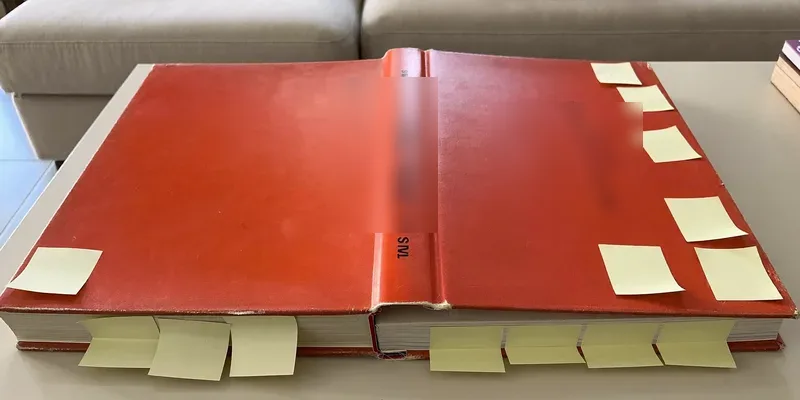
It is thick and it is heavy for a paperback, which matters more than it sounds like it should when the book has to live in a bag or on a nightstand you can barely reach. Owners who read in bed often mention the size. The ebook and audiobook versions solve that and lose the flip to any page advantage that makes the print version useful in the first place.
How the Book Is Organized
The spine of the book is a month by month sequence, with a chapter for each month covering what is typically happening, a long question and answer section, and a short recurring feature on the partner’s side of the same month. Labor, delivery and the first postpartum weeks get their own chapters at the end.
Around that sit the standalone chapters people reread: preparing before conception, working while pregnant, and the section on multiples, which pairs with the practical side of packing a hospital bag for twins.
The Reference Habit It Encourages
Because it is indexed and question driven, the book rewards dipping in and punishes reading straight through. People who treat it as a manual report liking it. People who start at page one and read forward tend to be the ones who describe it as overwhelming. Same book, two completely different experiences, decided by how you use it.
The Tone Complaint, Taken Seriously
The most consistent criticism in owner reviews is that the book raises worries the reader did not arrive with. Because the format answers questions, and because questions cluster around what might go wrong, a long reading session can leave you cataloging symptoms. Reviewers describe lying awake after a chapter, which is a fair thing to know before buying.
It is worth being precise about what that criticism is and is not. The complaint is about emotional weather, not about the book being careless. If you are someone who reads a symptom list and starts checking yourself against it, this format works against you, and a narrative book with a calmer voice will serve you better.
If You Know You Are a Worrier
Two habits help. Use the index rather than the chapter order, so you read the page you needed and close the book. And keep a second title on the nightstand with a different register, which is exactly what our roundup of pregnancy books by reading style is organized around. Anything that worries you enough to look up twice is a question for your midwife or OB-GYN rather than for a paperback.
Who It Fits and Who Should Skip It
This book fits people who want completeness and a place to look things up, and who are not rattled by reading about possibilities. It fits less well if you want a voice, a point of view, or a book you look forward to opening. The sections below sort the main options by what you want out of the reading, not by which is objectively better.
If You Want One Complete Reference on the Shelf
The main volume is the version to buy. Get the current sixth edition rather than a used older printing, since guidance and the partner material have both been reworked between editions and a secondhand copy can be two revisions behind.
If You Want Data and Reasoning Instead of Answers
Emily Oster’s book takes the opposite approach: it walks through the research behind common pregnancy decisions and shows the reader how the author reached her own conclusions. Readers who find question and answer formats unsatisfying usually mean they want the reasoning, and this is the title they land on. We put the two side by side in Expecting Better versus What to Expect.

If You Want a Calmer Institutional Voice
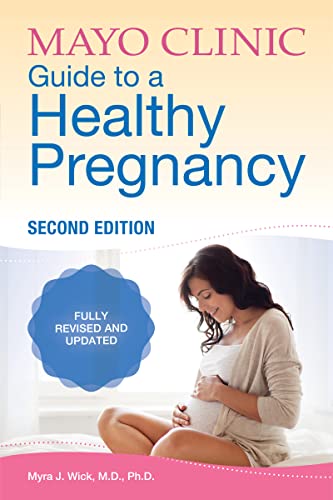
The Mayo Clinic guide covers similar ground in a flatter, more clinical register, with fewer reader questions and more straightforward explanation. People who want the reference function without the worry loop often prefer it, and our Mayo Clinic Guide comparison works through who each one suits.
The Four Main Options Compared
| Book | Format | Voice | Suits |
|---|---|---|---|
| What to Expect When You’re Expecting | Month by month, question and answer | Thorough, chatty, symptom heavy | Lookup readers who want everything covered |
| Expecting Better | Topic by topic, research led | Analytical, opinionated | Readers who want the reasoning shown |
| Mayo Clinic Guide to a Healthy Pregnancy | Week and month reference | Flat, clinical, calm | Reference readers who worry easily |
| The Expectant Father | Month by month for partners | Direct, practical | Partners who want their own copy |
All four are described here on structure and tone only. What any of them says about your own care is a conversation for your midwife or OB-GYN.
Buying It as a Gift
It is the default gift, which is the problem with it. Assume she already has a copy, because someone in her family almost certainly bought one the week the news went public. If you want the book to be a real present rather than a duplicate, ask first or pick a title with a narrower angle.
Pairing works better than substituting. A reference book plus something she will hold every week reads as thought rather than obligation, and a pregnancy journal is the usual second half of that pair. For partners buying for themselves, our books for dads to be guide covers the shorter titles that actually get finished.
Frequently Asked Questions
Which edition should I buy? The sixth, which is the current one. Older printings turn up cheaply and are tempting, but the partner material and the general guidance have been reworked across editions, and an old copy can leave you reading advice that has since been revised.
Is it too scary for a first pregnancy? It depends entirely on how you read. Used as an index driven reference it is fine for most people. Read cover to cover it can be a lot, and first time readers are the ones who most often say so. Our first time mom book guide sorts titles by reading style for exactly this reason.
Do I need it if I already have a pregnancy app? Not really, since apps cover the same week by week ground and update themselves. The book earns its space if you like a physical index, if you want to read something that is not a screen at night, or if you want a copy your partner can pick up too.
Is the audiobook worth it instead? It works for the narrative parts and works badly for the reference parts, because you cannot skim a list of answers by ear. If listening is your format, our pregnancy audiobook guide covers the titles written to be heard rather than searched.
Can I use it instead of prenatal appointments? No. It is a general reference written for everyone, and nothing in it is about you specifically. Anything you find yourself rereading with a knot in your stomach goes to your midwife or OB-GYN, who can answer for your pregnancy rather than for the average one.
The Bottom Line
Buy the current edition if you want a complete, indexed manual you can open at the exact question you have, and use it that way rather than reading it forward. If long symptom lists put you on edge, keep it on the shelf as a lookup tool and choose something with a warmer voice for actual reading. Read next: the full pregnancy book guide by reading style, and Expecting Better versus What to Expect if you are choosing between the two.