Last updated: August 23, 2026
Somewhere in the second trimester the skin across your bump starts to feel tight and dry, worst in the evening and worst again in a heated bedroom in winter. Belly butter is the thick, greasy, oddly comforting answer to that specific feeling, and it is one of the few pregnancy purchases that costs little and gets used daily.
It is also a category wrapped in marketing that promises more than any lotion can deliver. This guide sticks to what a belly butter is actually good for: hydration and comfort on skin that itches and pulls. What it will not do is covered honestly in our piece on what these products can and cannot do.
This article contains affiliate links. If you buy through them, we may earn a commission at no extra cost to you. Learn more.
Quick Answer
Which belly butter should you buy for pregnancy?
- Thick beats thin. A butter or balm sits on the skin longer than a pump lotion, which is the whole point at bedtime.
- Scent is the deciding factor for many buyers, since a nose that turns on you makes a strongly perfumed tub unusable.
- Buy the size you will use twice a day, because the tiny jars run out in a couple of weeks.
- Judge it on comfort and hydration only. No topical product is a treatment.
Bottom line: pick a thick formula in a scent you can live with, and use it whenever the skin feels tight.
What Belly Butter Is Meant to Do
A belly butter is a heavy moisturizer, usually built on cocoa butter, shea butter or a plant oil blend, sold in a tub rather than a bottle. Its job is to hold water in the outer layer of skin so a stretched, dry bump feels less tight and less itchy. That is a comfort function, and a real one.
What it is not is a medicine. A moisturizer sits on the surface, and the deeper layer where marks form is not somewhere a lotion reaches. If the tightness has turned into persistent itching, that is a conversation for your midwife or OB-GYN rather than a shopping problem.
Butter, Cream or Oil
The three formats differ mostly in how long they stay put. A butter or balm is the thickest and works best overnight, a cream absorbs faster and suits daytime under clothes, and an oil spreads furthest for the least product but leaves the most residue. Our comparison of belly oil versus belly butter goes through the trade in detail.
How to Choose Between Them
Four things separate one tub from another: the base fat, the scent, the texture at room temperature, and how big the container is. Nothing else on the label reliably predicts whether you will actually reach for it every evening, which is the only measure that matters.
Ingredients are worth a glance rather than a study. A short list built on shea, cocoa or plant oils is a sensible default, and anything you already know irritates your skin is worth avoiding. Our guide to pregnancy safe skincare ingredients covers what people usually want to skip.
Scent Is the Underrated Decision
Nausea does not always stop at the end of the first trimester, and a heavily perfumed body butter is the kind of thing that gets abandoned on a nightstand. Owners who are sensitive to smell consistently end up in the fragrance free versions, even when they preferred the scent of the alternative before pregnancy.
Belly Butters by Situation
If Strong Scents Make You Queasy
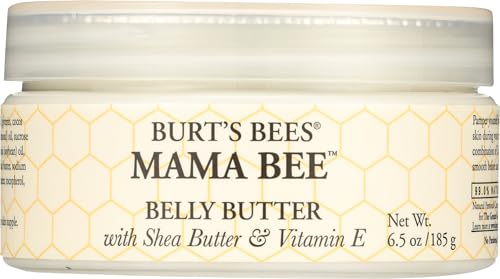
Burt’s Bees makes its Mama Bee Belly Butter as a fragrance free formula built on shea, cocoa and jojoba butters with vitamin E, which puts it in the small group of thick butters that do not announce themselves from across the room. It is a plain, dense tub with no perfume to react to.
If You Want a Certified Organic Formula
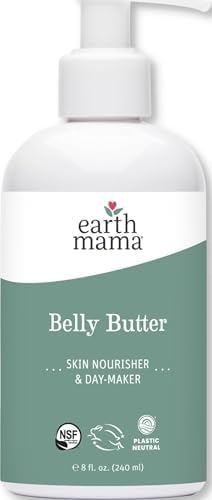
Earth Mama’s belly butter is certified by Oregon Tilth to the NSF/ANSI 305 standard for personal care products containing organic ingredients, and it leaves out petroleum, mineral oil and added synthetic fragrance. The scent it does have comes from the plant oils in the formula rather than a perfume blend, which some people love and some find too herbal.
If You Want the Thickest Thing You Can Find
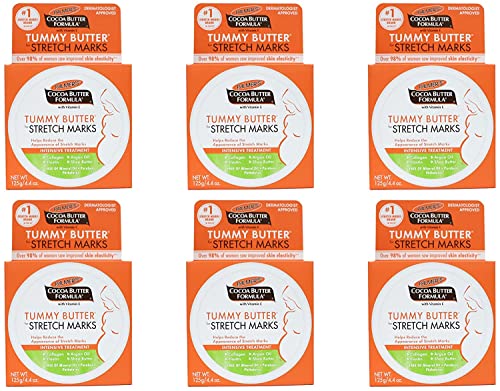
Palmer’s Cocoa Butter Formula Tummy Butter is the heavy balm of the group, a dense cocoa butter that softens on contact and stays where you put it. It is the version people reach for overnight or under a layer of clothing rather than before getting dressed in a hurry.
If You Would Rather Use an Oil
Bio-Oil is the most recognized name in this corner of the shelf, and it is an oil rather than a butter: much lighter, absorbs faster, spreads much further per application. It suits people who dislike the greasy weight of a balm and do not mind a scented product. Our Bio-Oil page goes through what it is and how it is marketed.

The Four Compared
| Product | Texture | Scent | Suits |
|---|---|---|---|
| Burt’s Bees Mama Bee | Thick butter | Fragrance free | Sensitive noses |
| Earth Mama Belly Butter | Rich cream | Plant oils, no added perfume | Organic certified preference |
| Palmer’s Tummy Butter | Dense balm | Cocoa, distinct | Overnight use |
| Bio-Oil | Light oil | Scented | People who dislike balms |
All four do the same job at different weights. The heavier the product, the longer it stays on the skin and the less pleasant it is under a waistband.
How and When to Use It
Most people apply after a shower and again before bed, because damp skin holds a moisturizer better and the evening is when the tightness is most noticeable. Warm the product between your palms first, since cocoa butter is stiff at room temperature and dragging a cold balm across a tight bump is not comfortable.
There is no schedule to follow and no minimum you have to hit. Use it when your skin feels dry, skip it when it does not, and do not treat a missed evening as a failure.
What Owners Complain About
Three things come up repeatedly in reviews: tubs that are too small to last a month at twice daily use, scents that were pleasant in the shop and unbearable at home, and the greasy film that transfers onto clothes and sheets. The last one is solved by using less and letting it sink in before you dress.
When It Is Not a Comfort Problem Anymore
Belly butter is for ordinary dry, tight, mildly itchy skin. Intense itching, itching that keeps you awake, itching on the palms and soles, or a rash that spreads is a different situation, and one that no product on this page is meant for.
Call your midwife or OB-GYN if the itch goes beyond ordinary dryness rather than trying another tub. Our page on an itchy belly in pregnancy sets out what belongs in the comfort category and what belongs in a phone call to your provider.
Frequently Asked Questions
How often should I put it on? Whenever the skin feels tight, which for most people means after showering and again at bedtime. There is no required frequency and no evidence that more applications buy you anything beyond comfort.
Will belly butter stop marks from forming? No. Topical products moisturize the surface of the skin, and the marks form deeper than that. We explain the honest version in what products can and cannot do.
Can I use my normal body lotion instead? Yes, and plenty of people do. A thicker butter simply stays on longer, which is why the category exists. Check the ingredient list against anything you have been advised to avoid.
When should I start using it? Whenever your skin starts feeling dry or tight, which varies enormously. There is no benefit to starting earlier than that and no penalty for starting later.
Is it safe to keep using after birth? These are ordinary moisturizers, so they are generally used after birth too. If you are nursing, keep heavy products off the chest area and ask your lactation consultant or provider if you are unsure.
Which one is worth buying if I only buy one? A fragrance free thick butter in the largest tub you can find. It suits the most people, survives changing scent tolerance, and lasts long enough to matter.
The Bottom Line
Buy a thick butter, in a scent you can tolerate on a bad day, in a tub big enough to last. Judge it on how your skin feels an hour later and nothing else. Read next: the four brands compared in detail and what to do about an itchy bump.