Last updated: August 23, 2026
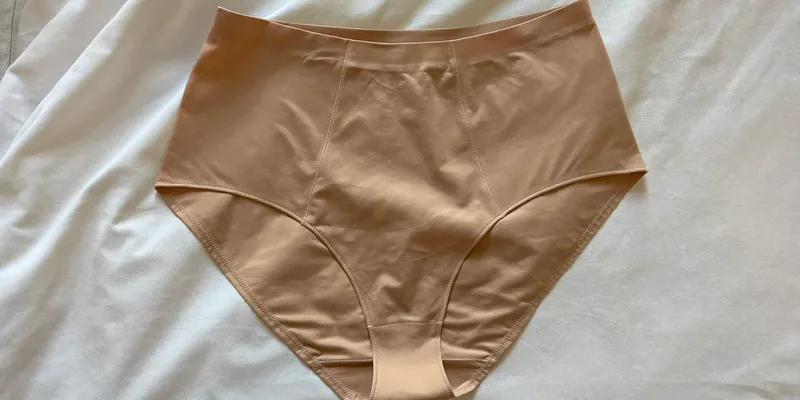
Not everyone wants a strap and a Velcro closure around their middle. Belly support underwear is the clothing version of the same idea: a brief, short, or panel built into something you were going to put on anyway, with a firmer band under the bump doing the work quietly. No adjusting in a restroom, nothing showing through a work shirt.
It also asks for a different set of expectations. A garment you wear all day is gentler than a dedicated support belt by design, and gentler means less lift. Knowing which of the two problems you are solving is the whole decision, so this guide lays them side by side before it gets to the shopping.
This article contains affiliate links. If you buy through them, we may earn a commission at no extra cost to you. Learn more.
Quick Answer
Is belly support underwear worth buying?
- Yes if you want gentle all day support that nobody can see and you never have to adjust.
- No if you want firm lift for a specific heavy task, since an adjustable belt does more of that job.
- Three formats exist: support briefs, over the bump support shorts, and support leggings with a built in panel.
- Buy your usual size. These work by cut and knit tension, and sizing up removes the support you paid for.
Bottom line: support underwear for every day and invisible wear, a belt for the heavy days.
What Belly Support Underwear Actually Does
It uses a firmer knit or a shaped band under the bump to take a little of its weight off your lower back and hips, spread across a wide area rather than concentrated in a strap. Many pregnant people find it takes the edge off long standing days without feeling like equipment.
What it is not is a medical device or a fix for a specific problem. It is a comfort garment, and if something hurts in a way that comfort wear does not settle, that belongs with a clinician rather than a shopping list.
Support Underwear or a Belly Band
A belly band or maternity support belt is adjustable, firmer, and worn only when you want it. Support underwear is fixed tension, gentler, and worn all day because it is your underwear. The belt does more on the day you move house; the underwear does more across a whole week of ordinary days.
Plenty of people own both and use them for different situations. If you have not decided yet, our belly band guide covers the strap side, and belly band versus compression shorts compares the two approaches directly.
Where Each One Shows Under Clothes
A belt has edges and a closure, so it reads through thinner fabric and can bunch when you sit. Support underwear has a bonded or knitted edge and disappears, which is the main reason people choose it for work. That invisibility is also why it cannot be as firm.

The Three Formats
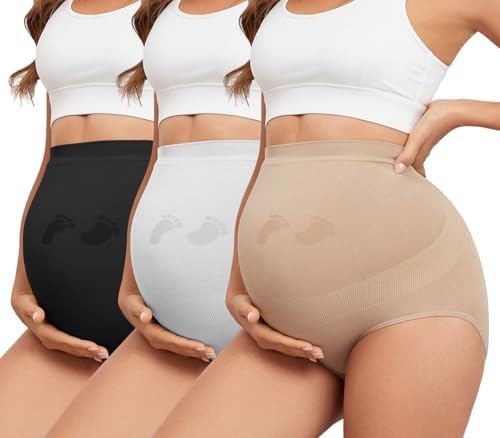
Support briefs look like ordinary maternity underwear with a firmer front panel and a wider band. Over the bump support shorts extend down the thigh, which stops chafing and adds a little more structure. Support leggings build the panel into a garment you wear as outerwear.
Briefs are the everyday default. Shorts are the summer answer and the one people who walk a lot tend to prefer. Leggings are the choice when you would rather buy one garment than two, and our maternity leggings guide covers those in full.
Sizing and the Rolling Problem
Buy your usual pre pregnancy size unless the brand chart says otherwise. These garments work by knit tension across a shaped panel, so a size up gives you the shape without the tension, which is to say a normal pair of underwear. Between sizes, follow the hip measurement rather than the dress size.
Rolling at the top edge is the common failure, and it means the panel is too short for where your bump has got to rather than too tight. A taller panel that reaches over the bump, or a shorts style with a wider band, is the usual fix. Owners describe this switch happening in the last trimester almost universally.
Belly Support Underwear by Situation
If You Want Support Nobody Can See at Work
Support briefs with a bonded edge sit under a work skirt or trousers without a line, and there is nothing to adjust between meetings. This is the format most people who work in an office settle on.
If You Walk a Lot or It Is Warm
Over the bump support shorts add thigh coverage, which stops the rubbing that makes long walks unpleasant in summer. They also stay put better than briefs when you are moving all day.

If Your Bump Feels Heavy at the End of the Day
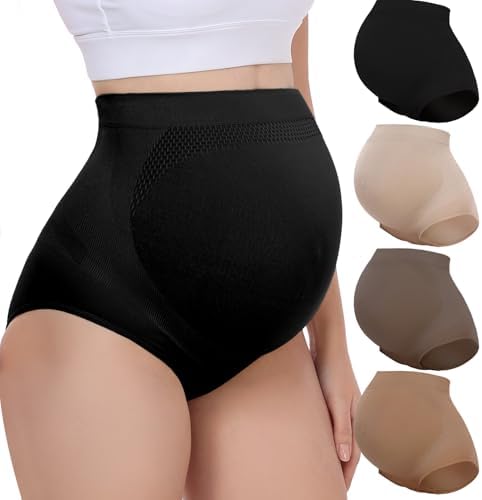
A high panel that reaches over the bump spreads the weight across a larger area than a low band can. Many pregnant people find this the more comfortable option late on, when a low band has run out of room.
If You Want One Garment Instead of Two
Support leggings put the panel into something you wear out of the house, which suits anyone who lives in leggings anyway. Check the panel height in the size chart, since some are much lower than the photo suggests.

The Four Options Compared
| Option | Coverage | Firmness | Suits |
|---|---|---|---|
| Support briefs | Hip to under the bump | Gentle, all day | Work and invisible wear |
| Support shorts | Hip to mid thigh | Gentle to moderate | Walking, summer, chafing |
| Over the bump briefs | Full panel over the bump | Moderate, wide spread | Late pregnancy heaviness |
| Support leggings | Full leg plus panel | Moderate | One garment instead of two |
None of these is as firm as an adjustable belt, and that is the trade you are making in exchange for wearing it all day without noticing it.
What Owners Complain About
The most common disappointment is expecting belt level firmness from a garment. Reviews that describe support underwear as useless very often turn out to be reviews written by someone who wanted lift for a specific heavy task, which is a different product. Set the expectation and the same garment reads as excellent.
The second is heat, since a double layer of firmer knit over your middle is warmer than plain cotton. Lighter summer versions exist and are worth the search. If your discomfort is sharp, one sided, or getting worse rather than settling, speak to your midwife, OB-GYN, or a pelvic floor physical therapist instead of buying more support wear.
Frequently Asked Questions
Is support underwear as good as a belly band? It is gentler and always on, which is better for ordinary days, and less firm, which is worse for heavy tasks. Many people own both. Our belly band guide covers the adjustable option in detail.
Will it show under clothes? Briefs and shorts with bonded edges are designed not to, and that invisibility is the main reason people choose them over a belt. Very thin fabrics can still show a panel edge, so check with the outfit you care about.
Do I size up as my bump grows? No. Sizing up loses the tension that provides the support. If the panel starts rolling, move to a taller over the bump style rather than a bigger size.
Can I wear it all day? It is designed as everyday wear, unlike an adjustable belt. If you have been given specific guidance by a clinician about how long to wear support garments, follow that rather than a product page.
Can I keep wearing it after the birth? Some styles are marketed for both, though the shape you want afterward is different. Our postpartum recovery articles cover what changes and why.
What if the support is not enough? Then the question is what is causing the discomfort, and that is one for your midwife, OB-GYN, or a pelvic floor physical therapist. More compression is not automatically the answer.
The Bottom Line
Support underwear is the quiet, invisible, everyday half of this category and an adjustable belt is the firm, occasional half. Buy your usual size, go taller rather than bigger when the panel rolls, and treat persistent discomfort as a conversation with your care team rather than a purchase. Read next: the belly band guide and maternity underwear for the plain version.