Last updated: August 23, 2026
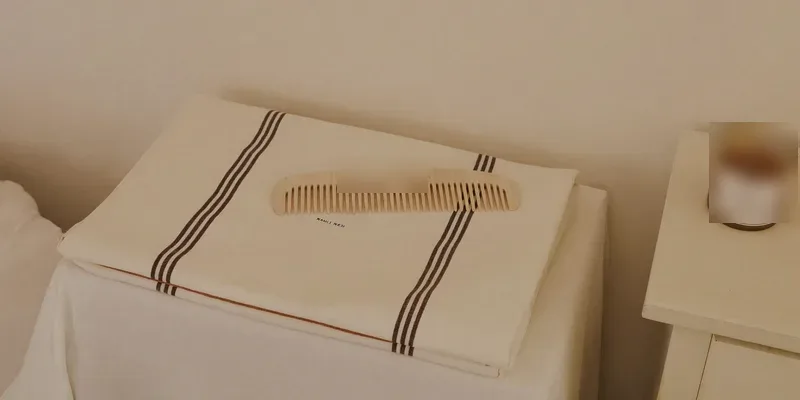
The birth comb arrived in most people’s awareness through a short video: someone gripping a plain hair comb in a closed fist, teeth pressing into the pad below the fingers. It costs almost nothing, it fits in a pocket, and it has become a standard item in labor comfort kits sold online.
It is also the item most likely to be oversold. This page says what the object actually is, what people describe doing with it, what to look for if you want one, and where the line is between describing a practice and making a claim we are not going to make.
This article contains affiliate links. If you buy through them, we may earn a commission at no extra cost to you. Learn more.
Quick Answer
What is a birth comb and is it worth packing?
- It is an ordinary comb, held in a closed fist with the teeth against the palm. There is no special technology in it.
- What matters physically is tooth shape and length: rounded ends, no sharp points, and a spine short enough to sit inside a fist.
- Buy two. They are tiny, they get put down, and one lives in the bag while the other stays in a pocket.
- We make no claims about what it does. It is something people describe holding, and that is as far as this page goes.
Bottom line: cheap, small, easy to pack, and worth a place in the bag if you like the idea of having something to grip.
What the Object Actually Is
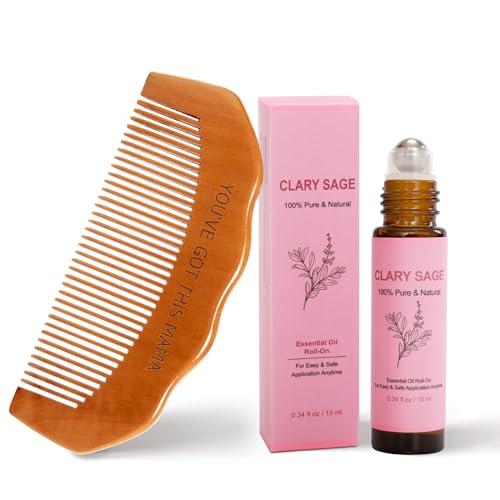
A birth comb is a hair comb. Products sold under that name are usually short, wide toothed combs made of wood or smooth plastic, sized so the spine sits across the base of the fingers when you close your hand. Some are sold as pairs, some come bundled in a wider comfort kit.
There is no mechanism, no material science and no patent worth paying for. If a listing implies otherwise, it is describing marketing rather than an object.
How People Describe Using It
The description is consistent everywhere it appears: the comb is held in a closed fist with the teeth resting against the pad of the palm, gripped during a contraction and released afterwards. Some people use one comb in each hand. That is the practice, described rather than recommended.
What to Look For in a Comb
Three physical things separate a usable comb from an unpleasant one. Tooth ends should be rounded rather than pointed, so the comb presses rather than digs. Teeth should be even in length, since one long tooth becomes the only thing you can feel. And the spine has to be short enough to fit inside a closed hand.
Material is mostly preference. Wood feels warmer and is quieter to handle; smooth plastic is easier to wipe down and does not mind being wet. Avoid metal teeth, and avoid anything with a decorative edge that could catch skin.
Size Test Before You Pack It
Close your hand around the comb. The spine should sit across the base of your fingers with nothing sticking out past the edge of your fist, and the teeth should reach the palm without any single tooth standing proud. If it does not pass that test at home, it will not pass it later.
The Combs Compared
| Type | Material | Tooth shape | Note |
|---|---|---|---|
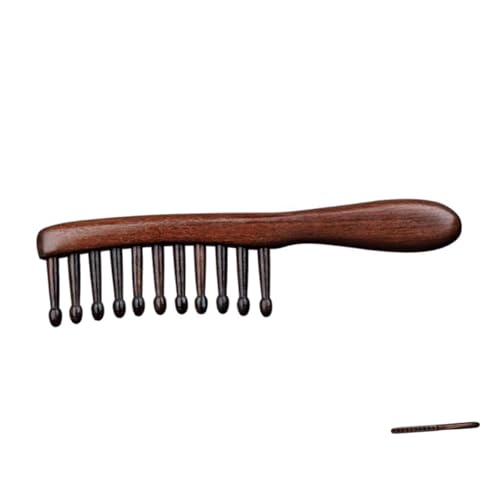
| Sold as a birth comb | Usually wood | Wide, rounded ends | Often sold in pairs |
| Plain wide tooth comb | Smooth plastic | Wide, check the ends | Cheapest route, wipes clean |
| In a labor comfort kit | Mixed | Varies by kit | You are buying the kit, not the comb |
| Fine tooth comb | Plastic | Narrow, often pointed | Not what people mean by this |
Manufacturer descriptions vary in how much they promise. Read what the object is made of and how long the teeth are, and ignore the rest of the copy.
Where It Fits in the Bag
A comb weighs nothing and takes no space, which is the strongest practical argument for packing one. It goes in the small pouch with the lip balm and the hair ties rather than in the bottom of the bag, because the whole value of a tiny item is being able to find it.
Two is better than one. Combs get put down on a bed, slide off, and disappear under things. Keep the spare in a partner’s pocket, which also gives the partner one clear job. Our hospital bag checklist has the rest of the small items worth having within reach.

What This Page Does Not Say
You will find plenty of confident explanations online of why a comb in the hand does something. This page is not going to add to them. What can honestly be said is that it is a small object people hold, that it costs very little, and that packing it commits you to nothing.
If you have questions about comfort options during labor, or you are building a plan around what will and will not be available in your birth room, that conversation belongs with your midwife or OB-GYN rather than with a product page.
Frequently Asked Questions
Can I just use a comb from the bathroom drawer? Yes, if it passes the fist test and the teeth are rounded rather than pointed. Most people who buy one buy it because the shape is right, not because it is special.
Wood or plastic? Preference. Wood feels warmer in the hand; plastic wipes clean more easily and does not mind moisture. Neither is better.
How many should I pack? Two. They are small enough that a spare costs nothing and they are exactly the kind of item that vanishes into bedding.
Is it a substitute for anything? No. It is a small object you can hold, and it does not replace any part of a care plan. Talk to your midwife or OB-GYN about the rest.
Are the labor comfort kits worth buying? Only if you want the other contents. The comb inside is a comb, and buying a kit to get one is the expensive way round.
Will the hospital have one? Almost certainly not. It is a personal item, which is another argument for it being in your own pocket.
Anything you want to know about managing discomfort during labor should go to your midwife or OB-GYN, who can answer it for your situation rather than in general.
The Bottom Line
Rounded teeth, short spine, fits in a closed fist, and buy two. It is the cheapest thing in the bag and the easiest to pack, and we are not going to tell you what it will do. Read next: heat and cold for labor and the hospital bag checklist.