Last updated: August 23, 2026
Almost every gift arrives before the birth. The doorbell goes quiet at exactly the point when somebody is home, sore, permanently thirsty and out of everything, and that gap is the reason a care package for afterward is the most useful parcel anybody sends in the whole nine months.
It is also the parcel people are least sure how to assemble, because the contents are unglamorous and half of them sound like a pharmacy order. That is fine. This is a box for the person, not for the photograph, and the items below are the ones people say they were glad to already have in the house.
This article contains affiliate links. If you buy through them, we may earn a commission at no extra cost to you. Learn more.
Quick Answer
What goes in a postpartum care package?
- Bathroom supplies first: a peri bottle, high waisted underwear, cooling pads.
- Comfort next: a soft robe, a big drink bottle, good lip balm, warm socks.
- Food that can be eaten with one hand and does not need a plate.
- One thing that is purely hers, plus a card with a specific offer of help.
Bottom line: send it after the birth, not before, and make half of it consumable.
Why This Box Beats a Baby Gift
Because the baby is covered. Between the shower, the registry and the relatives, newborn clothing and blankets arrive in volume, and the person who gave birth receives almost nothing. A box addressed to her, containing things she will use in the first week, stands out for that reason alone.
It is also the most consumable gift in the category. Nothing in it needs storing long term, nothing needs sizing precisely, and nothing has to be displayed. It gets used up, which is exactly what a household with no shelf space wants.
When to Send It
Either in the last few weeks of the pregnancy so it is already in the house, or in the first days after the birth. Delivered rather than handed over in person is often kinder, since it does not require her to host anybody.
The Bathroom Layer, Which Comes First
The first days involve a lot of small logistics in a bathroom, and this is the layer people most often say they under bought. A peri bottle with an angled neck, high waisted disposable underwear, cooling pads and a spare pack of everything is the core of the box.
Buy generously here. Running out of any of it means somebody making a trip out at a bad moment, and our recovery kit guide goes through the quantities in more detail.
The Bottle That Does the Most Work
An angled peri bottle is easier to use than the flat hospital version and it is the item mentioned most often in the first week. Our peri bottle comparison covers the shapes.

Underwear She Does Not Have to Save
High waisted disposable briefs are the practical choice for the first stretch, and a soft reusable pair for afterward. See our underwear guide for the difference.

Something Cool for Sitting Down
Cooling pads and witch hazel liners are the comfort item people restock first, and they are easy to add to any box.

Comfort for Long Days on a Sofa
The second layer is about being comfortable while sitting still for hours holding a small person. A soft robe with a front opening, a big bottle within reach, warm socks and a decent lip balm cover most of it, and none of them require any guesswork about size.
A shallow soak is the other addition worth including for anyone who wants one. Our sitz bath guide explains the seat style versions that fit over a toilet, which are easier than filling a tub.
The Robe That Gets Worn Every Day
A front opening robe works for the hospital, for feeding at home and for answering the door, which is three jobs from one item.

The Drink She Can Reach One Handed
A large insulated bottle with a straw lid and a handle is close to universal in first week accounts, because thirst arrives suddenly and both hands are busy.

The Soak Option
A seat style basin that sits over the toilet takes up little room and needs no cleaning of a full bathtub afterward.

The Feeding Layer
Whether she is breastfeeding, pumping, bottle feeding or some combination, the same small supplies run out fast. Nipple cream, absorbent pads, a soft bra to sleep in and something to eat with one hand cover the first week for almost everyone.
Keep this layer neutral. Feeding plans change, sometimes in the first days, so a box that assumes one route can land awkwardly. Supplies that work either way are the safer choice, and our feeding comfort guide covers the small items in detail.
The Tube That Gets Used Immediately
Nipple cream is the most requested item of the first week and the one most often bought too late. Our nipple cream guide compares the textures.

Pads, in Quantity
Disposable nursing pads in a large box outlast the fancy small pack, and they get used whether or not breastfeeding continues.

Food That Can Be Eaten With One Hand
The most repeated piece of advice from people who have received these boxes is to put more food in them. Meals get skipped, hunger arrives at three in the morning, and anything that needs a plate, a fork or two hands does not get eaten.
Individually wrapped, shelf stable and reachable from a sofa is the specification. Nuts, bars, dried fruit, crackers, chocolate, and a delivery credit for actual meals if the budget stretches to it.
The Snack Layer
A variety box of individually wrapped snacks can live next to the feeding chair and be raided at any hour without anybody having to stand up.

If the Birth Was a C-Section
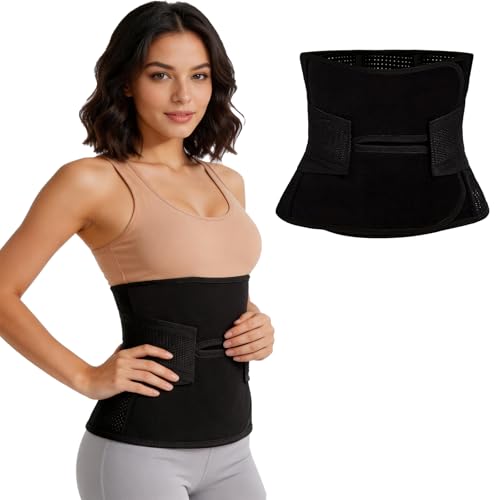
A surgical birth changes the box a little. High waisted underwear that sits above the incision matters more, loose clothing matters more, and a supportive binder is something many people find comfortable when moving around. Frame all of it as comfort, because how a particular incision is cared for is a question for her own care team.
Our comparison of the two recovery routes sets out what changes and what stays the same, and the belt guide covers fit.
The Item Most Often Added
A soft abdominal binder in the right size is the usual addition, and getting the size right matters more than the brand.
Three Versions of the Same Box
Not every giver has the same budget or the same closeness, and the box scales down cleanly. Pick the column that matches your relationship and build from there.
| Version | Core contents | Add if you can | Best from |
|---|---|---|---|
| Small | Snacks, lip balm, socks, a card | A drink bottle | Colleagues, neighbors |
| Standard | Peri bottle, underwear, pads, snacks | Robe, nipple cream | Friends |
| Full | All of the above plus food delivery | Cleaning visit, laundry | Family, close friends |
| Prebuilt | A ready made recovery kit | Your own snacks and card | Anyone short on time |
Buying It Ready Made Instead
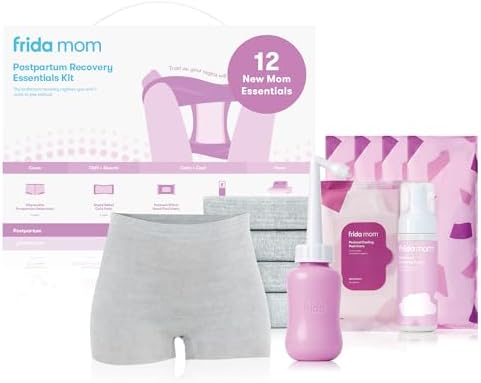
A prebuilt recovery kit saves sourcing six small items separately and arrives looking like a gift rather than a supply run. The trade off is that it will contain a couple of things she does not need and miss a couple she does, which is why most people add snacks and a card to it.
If you want the comparison, our assembled versus prebuilt breakdown weighs the two properly, and the Frida Mom kit review covers the best known option.
The Ready Made Version
A boxed kit covers the bathroom layer in one order, which is the fiddliest part to assemble yourself.
What to Leave Out
Skip anything that creates a task. Flowers need a vase and water, candles need attention, and a hamper of loose items in shredded paper has to be unpacked and tidied by somebody who has better things to do that day.
Skip anything that comments on her body or her recovery timeline, and skip advice. A card that says you are thinking of her and that the freezer meal is in the freezer is worth more than anything written on a card with a slogan on it. If she raises how she is doing, listening is the whole job, and anything she is unsure about belongs with her OB-GYN or midwife rather than with a gift guide.
Frequently Asked Questions
When should a care package arrive? Either in the last weeks of pregnancy so it is waiting in the house, or in the first days after the birth. Later than about two weeks and the most useful items have already been bought in a hurry.
Is it strange to send bathroom supplies as a gift? It is the part people thank you for. Say what is in the box so it is not opened in front of visitors, and use a plain outer box rather than a decorated hamper.
What if I do not know how she is feeding the baby? Choose supplies that work either way and keep the note neutral. Nipple cream, pads and a drink bottle are useful across every feeding route, and feeding plans often change.
Prebuilt kit or assembled myself? A prebuilt kit is faster and covers the bathroom layer well. Assembling your own lets you add the food and the personal items, which are the parts people remember, so many givers do both.
How much food should I include? More than feels sensible. One handed, individually wrapped and shelf stable is the specification, and it is the part of every box that runs out first.
What is the best non object to include? A written offer with a date on it. One specific afternoon of laundry or one grocery run that is already scheduled gets used, where a general offer of help almost never does.
The Bottom Line
Build the box in three layers: bathroom supplies, sofa comfort, and food that can be eaten with one hand. Send it after the birth when everything else has stopped arriving, keep the packaging plain, and put a specific offer of help in writing on the card. Read next: the full recovery kit guide and what else to give a new mom.