Last updated: August 23, 2026
Stand in front of the pregnancy shelf and you are looking at the same idea in two containers. A tub of thick butter on one side, a bottle of thin oil on the other, both aimed at the same tight, dry bump, both making the shopping decision harder than it needs to be.
The honest answer is that this is a texture decision, not a results decision. Neither format is doing something the other cannot, and choosing between them comes down to when you apply it, what you are wearing afterwards and how much you dislike a greasy film. This page lays out that trade so you can pick once and stop thinking about it.
This article contains affiliate links. If you buy through them, we may earn a commission at no extra cost to you. Learn more.
Quick Answer
Belly oil or belly butter, which should you use?
- Butter for overnight. It is thick, it stays put, and it suits skin that feels tight in bed.
- Oil for daytime. It absorbs faster, spreads further, and is less unpleasant under a waistband.
- Oil is easier to apply when you can no longer see what you are doing, since it needs less rubbing in.
- Neither format is a treatment. Both are moisturizers with different weights.
Bottom line: pick by texture and timing, and plenty of people end up owning one of each.
What Sits on Each Side
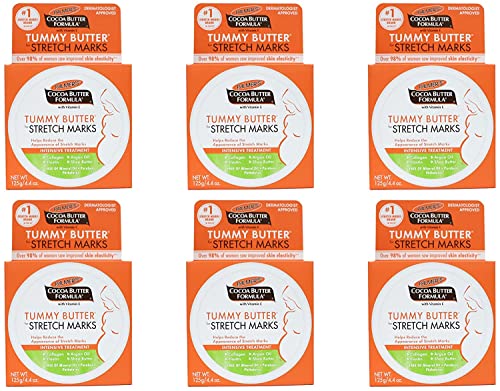
A belly butter is a solid or semi solid moisturizer in a tub, usually built on cocoa butter, shea butter or both, sometimes with plant oils and vitamin E folded in. It softens on contact with skin, sits on the surface for a long time, and feels substantial while you are applying it.
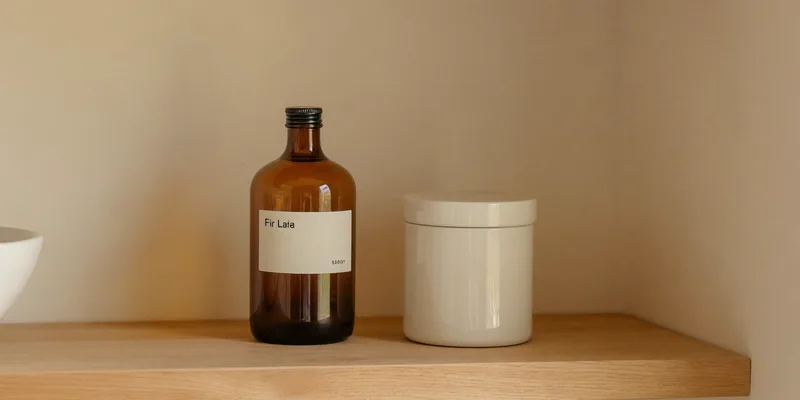
A belly oil is a liquid blend of plant oils, sometimes with added vitamin E, poured or pumped from a bottle. It spreads across a wide area with very little product, sinks in faster, and leaves a thinner film. The most recognized name in this half of the shelf is Bio-Oil, which our Bio-Oil page covers on its own.
The Third Option Nobody Names
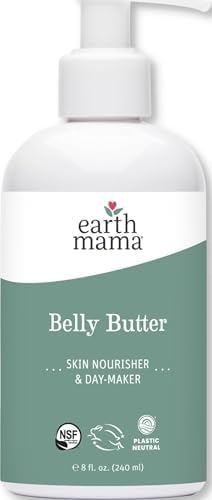
Between them sits the belly cream, thinner than a butter and thicker than an oil, which is what several brands actually sell even when the label says butter. Earth Mama’s belly butter is closer to a rich cream than to a solid balm, for instance, and that middle weight is what a lot of people find easiest to live with.
The Differences That Matter in Daily Use
Four practical differences separate them: how long the product stays on the skin, how much residue ends up on your clothes, how easy it is to apply to a bump you cannot see over, and how far a container goes. Everything else is marketing.
Application is the one people underestimate. In the third trimester you are moisturizing by feel, and an oil that spreads with one pass is genuinely easier than a stiff balm that needs warming between your palms first.
Residue and Laundry
Oils leave marks on cotton and on sheets, which is why the evening application is popular with people who then wear something they do not mind. Butters transfer less once they have sunk in but take longer to get there. If you dress immediately after applying, the thinner product is the practical one.
Oil Versus Butter Side by Side
| Format | Absorption | Best moment | Coverage per use |
|---|---|---|---|
| Belly oil | Fast, thin film | Morning, under clothes | Wide, a few drops |
| Belly cream | Medium | Any time | Moderate |
| Belly butter or balm | Slow, sits on top | Bedtime | Small area per scoop |
Read the middle column as the deciding one. Most people who own both use the oil in the morning and the butter at night, and that is a perfectly sensible outcome rather than a failure to choose.
Which One Fits You
If Your Skin Feels Tightest in Bed
Go with the thick end. A dense cocoa butter balm stays on through the night and is the format people reach for when the evening tightness is the main complaint. It is also the least pleasant thing to apply in a hurry, which is fine if bedtime is when you use it.
If You Are Dressing Straight Afterwards
Go with the oil. It sinks in fast enough to get dressed, covers the whole bump with very little product, and is far easier to apply when you are working blind. It is also the format most likely to leave a mark on a cotton shirt if you rush.

If You Want One Product for Everything
Take the middle weight. A rich cream in a tub covers both moments reasonably well and is the compromise most people are happiest with if they only want to own one thing. Earth Mama’s version is the widely stocked example.
The Mistake to Avoid
The expensive mistake is buying the format you like the idea of rather than the one you will use. A beautiful tub of solid balm that has to be warmed between your palms will not get used on a morning when you are late, and a bottle of oil will not get used by someone who cannot stand the feeling of it under clothes.
The second mistake is expecting a difference in outcome. Neither format changes what happens to the deeper layers of skin, and our page on what these products can and cannot do is the honest version of that story.
Frequently Asked Questions
Can I use both? Yes, and many people do: oil in the morning because it disappears under clothes, butter at night because it stays on. There is no reason to layer them at the same moment, since the thicker product simply sits on top of the thinner one.
Which one lasts longer per container? Oils generally cover more skin per application, so a small bottle can outlast a similarly sized tub. Butters feel like they last because you use a scoop at a time, but you also use them on a smaller area.
Is one gentler than the other? That depends on the ingredient list rather than the format. Fragrance is the most common irritant in both, so a fragrance free version is the safer default whichever texture you prefer.
Does either one work better on an itchy bump? Both address dryness, and people report success with each. If itching goes beyond ordinary dryness, our page on an itchy belly in pregnancy explains when to stop shopping and call your midwife or OB-GYN instead.
Can I just use coconut oil or olive oil? Plenty of people do, and they are ordinary moisturizing oils. Kitchen oils are heavier and messier than a formulated blend, and coconut oil in particular does not suit every skin type.
If the dryness or itching is not settling with any of this, raise it with your midwife or OB-GYN rather than working through another product.
The Bottom Line
Butter is a bedtime product, oil is a daytime product, and the cream in between is the compromise for people who want to own one thing. Choose on texture and on when you actually apply it, because that is the only difference that shows up in real use. Read next: which belly butter to buy and the brands compared.