Last updated: August 23, 2026
Somewhere in the third trimester the couch stops working. Sitting back sinks you into a shape that makes your ribs complain, and getting up again is a two stage operation. A birthing ball is the piece of gear people buy for that specific reason, and it is one of the few things in this category that gets used every single day rather than sitting by the door.
The confusing part is that a birthing ball and a gym exercise ball are frequently the same object in different packaging. What actually separates a good one from a bad one is the size relative to your height, whether the surface grips a hard floor, and whether the pump in the box is worth using. This guide sorts out those three things and skips the rest.
This article contains affiliate links. If you buy through them, we may earn a commission at no extra cost to you. Learn more.
Quick Answer
Which birthing ball should you buy?
- Size on your height, not on the label. Most people land on 65 cm, and the test is whether your hips sit slightly above your knees.
- Anti burst is the only spec that is genuinely non negotiable. It describes how the material behaves if it is punctured.
- Grip matters more than color. A matte, slightly tacky surface stays put on wood and tile; a glossy one slides.
- The bundled pump is usually slow. A proper hand pump or a borrowed electric pump saves a lot of swearing.
Bottom line: anti burst, sized to your height, matte finish, and inflated firm enough that you do not sink.
What a Birthing Ball Actually Is
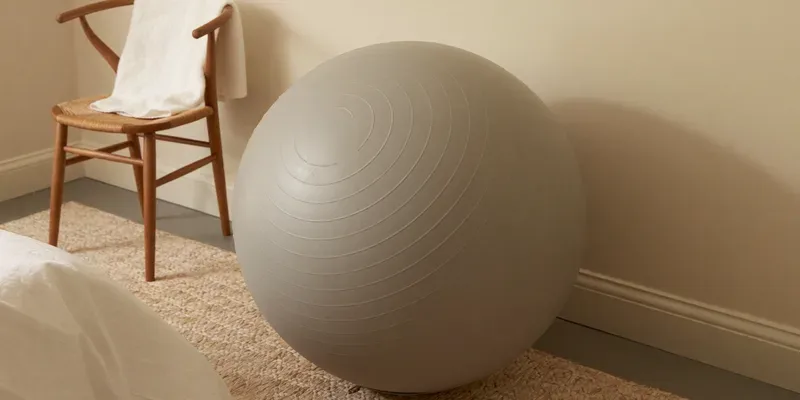
A birthing ball is a large inflatable ball you sit on, lean over, or rest against. Physically it is the same object as a gym stability ball, sold with pregnancy in mind and usually with a heavier weight rating and a grippier surface. Many pregnant people use one as a desk chair, an evening seat, and a place to lean during labor.
It is a positioning and comfort tool, not a medical device, and this guide treats it that way. What it does is let you sit upright with an open hip angle and shift your weight constantly instead of staying frozen in one position, which is the whole appeal of it.
Birthing Ball or Exercise Ball
Functionally there is very little between them at the same size and weight rating. The differences worth paying for are a non slip finish and a stated anti burst rating. Products marketed as birthing balls tend to include both plus a pump, which is why they are the easier buy even when they cost the same as a plain gym ball.

Sizing: The One Thing People Get Wrong
Size is the single decision that determines whether the ball gets used. Manufacturer size charts group heights into three bands, and while the exact cutoffs differ from brand to brand, the pattern is consistent: 55 cm for shorter heights, 65 cm as the standard middle, and 75 cm for taller frames. Check the chart for the specific ball you are buying.
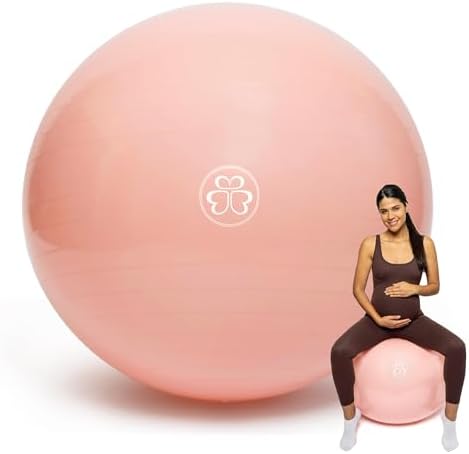
The chart is a starting point, not the answer. The real test is the one every manufacturer describes: sit on the inflated ball with your feet flat and your knees roughly shoulder width apart, and your hips should sit level with or slightly above your knees. If your knees are higher than your hips, the ball is too small or underinflated.
When to Size Up
Two situations push people to the next size. A tall frame is the obvious one. The less obvious one is a plush carpet, which effectively swallows part of the ball and lowers your seat, so the same 65 cm ball sits noticeably lower in a carpeted bedroom than on kitchen tile. Our full birthing ball size chart walks through the height bands in detail.

Anti Burst Is Not Marketing
Anti burst describes what happens to the material if it is punctured. A ball with this construction is designed to deflate slowly through the puncture rather than pop, which is the difference between sliding gently to the floor and hitting it. Manufacturers state a static weight rating alongside it, usually well above body weight.
Take the rating seriously if you plan to lean on the ball rather than only sit on it, and keep the ball away from anything sharp. Grit tracked in on shoes and a stray staple under a desk are the two things owners most often mention as the cause of a slow leak.
Grip, Surface and Where You Put It
Surface finish decides whether the ball stays where you put it. A matte, slightly textured shell holds on hardwood and tile; a glossy one skates, and that is the complaint that turns a birthing ball into a garage ball. If your floors are hard, buy the grippiest finish you can find or plan to use a mat.
A stability ring is the other option. It is a low foam or plastic base the ball rests in, and it stops the ball rolling away entirely, which makes it far easier to get on and off during the last weeks and after the birth.

Inflation: Firm, Not Rock Hard
Inflate to the point where the ball has a slight give under your weight but does not let you sink. A soft ball drops your hips below your knees and undoes the whole point of sitting on it. Manufacturers list a target diameter rather than a pressure, so measure the height of the ball against a wall as you inflate.
Inflate in two stages. Fill it most of the way, leave it a day so the material stretches, then top it up. New balls always lose a little height in the first week, and people who skip this step conclude their ball is faulty when it is just settling.
Pumps Worth Bothering With
The small pump in the box works, slowly, and the plastic tends to flex. A double action hand pump or an electric inflator fills the same ball in a fraction of the time, which matters when you are topping up a ball at thirty eight weeks and bending over is the hard part.

Birthing Balls by Situation
If You Want One Ball for the Whole Pregnancy and After
A standard anti burst ball in your height band with a matte finish does everything. It is the desk chair, the evening seat, the thing you lean over, and afterwards it becomes the seat you bounce on while holding a baby who objects to stillness.
If You Are Using It as a Desk Chair
Go for the stability ring version. It keeps the ball parked, stops it rolling into a colleague at a shared desk, and makes standing up less of an event. Sizing runs the same way, but check the ring height does not push your seat too high for your desk.
If Your Floors Are Hard and Everything Slides
A textured, high grip shell plus a thin yoga mat underneath solves it. Do not put a ball on a rug that itself slides, which just moves the problem down a layer.
If You Want It Packed for the Hospital
Check with your hospital first, because many labor and delivery units already have birthing balls and peanut balls on the floor and would rather you used theirs. If you do want your own, deflate it, pack it flat with the pump, and see our hospital bag checklist for how it fits with everything else.
The Options Compared
| Option | Typical size | Surface | Suits |
|---|---|---|---|
| Standard anti burst ball | 55, 65 or 75 cm | Matte, slight texture | Most people, all day use |
| Ball with stability ring | 65 cm most common | Matte plus foam base | Desk work and easy standing |
| Extra grip birthing ball | 65 or 75 cm | Heavily textured shell | Hardwood and tile floors |
| Peanut shaped ball | 40 to 60 cm | Matte, wipe clean | Lying down positions in bed |
The peanut is a different tool rather than a smaller version of the same one, and the two are not interchangeable. The birthing ball versus peanut ball comparison explains which does what.
What Owners Complain About
Three complaints come up again and again. The ball is too small, because it was bought on price rather than the height chart. The ball slides on a hard floor, because the finish is glossy. And the ball goes soft after a week, because it was inflated once and never topped up.
The fourth is expectation. A ball is a comfort and positioning tool. If you are sitting on one because your hips, lower back or pelvis hurt, and the pain is sharp, one sided, or getting worse, that is worth a conversation with your midwife, OB-GYN or a pelvic floor physical therapist rather than a different piece of gear.
Frequently Asked Questions
Is a birthing ball the same as an exercise ball? Usually yes, physically. The useful differences are a non slip surface, a clearly stated anti burst construction and a weight rating, plus a pump in the box. Buy on those three things rather than on the word birthing.
What size do I need? Most people use 65 cm. The check that beats every chart is sitting on the inflated ball with your feet flat and seeing whether your hips are level with or slightly above your knees.
When can I start using one? People use them throughout pregnancy as a seat, and many keep using them afterwards. If you have been given specific instructions about sitting, positions or activity, follow those instead and ask your midwife or OB-GYN if you are unsure.
Will it help my back? Many pregnant people find sitting upright on a ball more comfortable than a soft couch, and it lets you shift position constantly. That is a comfort effect, not a fix, and back pain that is severe or new should go to your provider.
Can I take it to the hospital? Ask your hospital. Many labor and delivery floors keep balls of both shapes, and policies about bringing your own equipment vary from one unit to the next.
How do I clean it? Warm water and a mild soap on a cloth, then dry it. Skip harsh solvents, which can dull the grip on the shell.
The Bottom Line
Buy anti burst, size it on your height and confirm it with the hip above knee check, choose a matte grippy finish if your floors are hard, and inflate it twice. That is the whole decision. Read next: what people actually do on the ball, and the peanut ball if you are thinking about labor positions in bed.