Last updated: August 23, 2026
The baby side of the hospital bag is the part people overpack the hardest, because it is the part they can picture least. You have never dressed this particular person. You do not know how big they will be, how long you will stay, or how many outfits a newborn can go through in a morning. So the bag fills up with tiny clothes in three sizes and a set of everything, just in case.
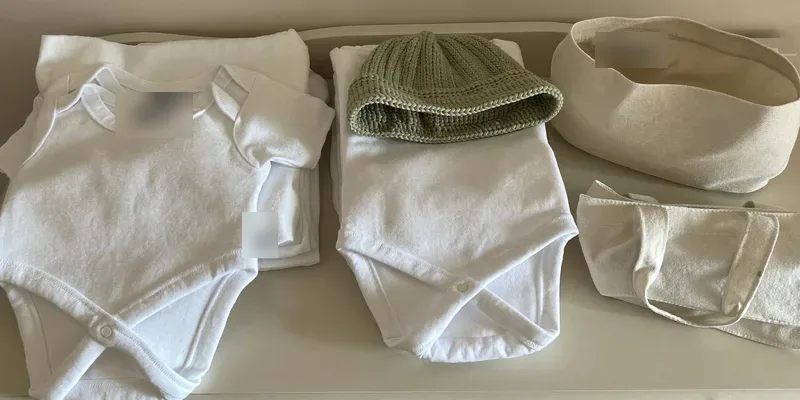
In practice the hospital supplies most of what a newborn needs while you are there, and the baby spends the majority of the stay swaddled in a hospital blanket. What you are really packing is one outfit to leave in, a backup for when that outfit does not survive the trip to the car, and the handful of items nobody hands you. This guide sorts those from the rest.
This article contains affiliate links. If you buy through them, we may earn a commission at no extra cost to you. Learn more.
Quick Answer
What do you pack in a hospital bag for the baby?
- One going home outfit in newborn size and one in the next size up, because sizing is a guess until they arrive.
- A soft swaddle blanket or two, mostly for the car seat and the photos.
- A hat and scratch mittens, which hospitals do not always provide beyond the first one.
- The installed car seat, which is the item you cannot leave without.
Bottom line: pack for one trip to the car, not for a week, and ask your hospital what it supplies before duplicating diapers and wipes.
What the Hospital Usually Supplies
Most US hospitals keep the newborn stocked while you are in the room, which is why the baby half of the bag can be small. What that stock includes differs by hospital, so ask yours directly at a prenatal visit or on the tour rather than assuming from a list you found online.
The items new parents most often report finding in the room are diapers, wipes, receiving blankets, a knit hat, a bulb syringe, and formula if it is being used. Bringing your own set of all of that is the classic overpack, and it is the reason people carry two bags in and use one of them.
The Bits That Go Home With You
Anything opened in the room usually leaves with you, so the spare diapers, the extra wipes and the bulb syringe end up in the car anyway. Take them. It is the one genuinely free restock you will get.
The Going Home Outfit and Why You Pack Two
The going home outfit is the only baby clothing item that reliably gets used, and the reason to pack two is size rather than sentiment. Newborn size fits many babies and swims on some while being too small for others, and nobody knows which until the baby is weighed and measured.
Pack one in newborn and one in the size above, both in the same style so the choice is easy. Footed sleepers with a zipper or snaps are the practical pick, because they need no separate pants and no fighting with a neck opening while the baby is in your lap.
If You Want One Outfit That Works in Either Size
A soft footed sleeper is easier to get onto a newborn than a two piece set, and it doubles as sleepwear once you are home instead of living in a keepsake box.

If You Would Rather Have a Plain Backup Layer
A short sleeve bodysuit multipack covers the under layer, the outfit that gets ruined on the way to the car, and the first week at home. Owners buy these in bulk and never regret it.

Swaddles, Hats and Mittens
Hospitals hand out receiving blankets and usually a hat, so your own swaddles are about preference and photographs rather than necessity. A large muslin square is the most useful shape, because it swaddles, covers a shoulder, drapes over a car seat handle and packs down to nothing.
Mittens are the small item people wish they had packed. Newborn nails are sharp and hospital hats often cover the head but not the hands, so a set of scratch mittens or sleeves with fold over cuffs earns its tiny space.
For the Car Seat and the First Photos
Muslin squares are the swaddle most owners keep using long after the newborn stage, which makes them the low regret buy in this category.

The Small Set That Gets Forgotten
A hat and mitten set is the item people ask a partner to fetch from home on the second day. Pack it once and forget about it.

The Car Seat Is the One Non Negotiable
The car seat is the item that decides whether you can leave, and it is not something to buy on the way. Hospitals in the US generally expect an infant seat to be installed and ready, and the details of what they check vary, so confirm with your own hospital what they want to see.
Install it well before the bag is packed, read the seat manual rather than a blog about it, and practice the harness adjustment on something the size of a newborn. Car seats sit outside what we cover here, so the manufacturer manual and a certified technician are the sources to use.
Layers Under the Harness
Bulky coats and thick buntings change how a harness fits, and every seat manual has a section on this. Follow that manual, dress the baby in thin layers, and put a blanket over the buckled harness instead of under it. Our seasonal packing guide covers the winter version of this problem.
What to Pack, What to Skip
The table splits the baby items by whether they get used in the room, used on the way out, or come home unopened. Supplies differ by hospital, so use the first column as a question for your hospital rather than a guarantee.
| Item | Usually supplied | Worth packing | Notes |
|---|---|---|---|
| Diapers and wipes | Yes, in most hospitals | A few for the car | Take the leftovers home |
| Going home outfit | No | Two sizes, same style | Footed sleeper is easiest |
| Swaddle blanket | Receiving blankets, yes | One or two muslin squares | Also useful over the car seat |
| Hat and mittens | Hat often, mittens rarely | One set | Newborn nails are sharp |
| Pacifier | Sometimes on request | Optional | Ask your care team first |
Feeding Gear Stays Mostly at Home
Feeding is the area where hospital support matters more than equipment. Bottles, formula and a pump are generally handled in the room if they are needed, and the staff will bring what the plan calls for, so there is little reason to carry your own set in.
What is worth having in the bag is the small comfort layer: a soft bra with easy access and nipple cream you like. Our guides to the nursing bra and to nipple cream cover the picks, and a lactation consultant is the right person to ask about anything that is not a comfort question.
The Bulky Items to Leave Behind
Nursing pillows are the classic thing people carry in and never unpack, since the bed and the hospital pillows do the job for a short stay. If you want one at home, our nursing pillow guide covers the shapes, and safe use is a separate read worth having.
Frequently Asked Questions
How many baby outfits should I really pack? Two, in two sizes, in the same style. Owners overwhelmingly report using one and carrying the rest home clean. The baby spends most of the stay in a hospital blanket, so extra outfits are packing for a version of the stay that does not happen.
Do I need to bring diapers? Usually not for the stay itself, since most hospitals supply them, but a small handful for the car is sensible. Confirm with your own hospital, because this is the single item that differs most between them.
What size should the going home outfit be? Newborn plus the next size up. Birth size is unknown until the day, and a sleeper that is slightly big is far easier to manage than one that does not close.
Can the baby wear a coat in the car seat? Follow your car seat manual on layers under the harness. It is the document that governs this, and thin layers with a blanket over the buckled harness is the usual approach parents land on.
Should I pack bottles or formula? Generally no. The hospital supplies what is needed while you are there. Bring the comfort items instead and ask a lactation consultant about anything feeding related that is not simply about gear.
What about a coming home photo prop? Fine if it makes you happy, but keep it to one small thing. If keepsakes are the point, our sibling gift ideas tend to get more use than a prop.
The Bottom Line
Pack the baby bag for one trip to the car: two sleepers in two sizes, a muslin swaddle, a hat and mittens, and a few diapers for the road. The hospital covers the rest of the stay, and the car seat is the item that has to be installed and understood well before the bag is zipped. Read next: the full hospital bag checklist, or what not to pack if your bag is already too heavy.