Last updated: August 23, 2026
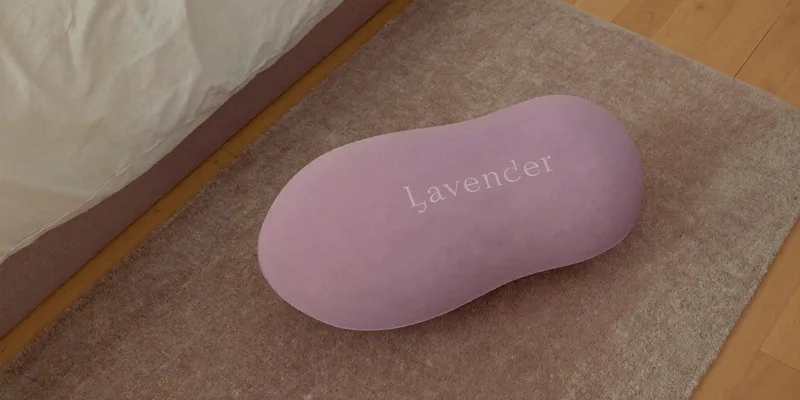
Most people meet a peanut ball for the first time in a hospital room, when someone wheels one in and tucks it between your knees while you are lying on your side. It looks like two balls that were fused in the middle, and it exists for one reason: a round ball is useless once you are in bed, and a peanut is not.
That is the whole point of it, and it is why the shopping question is narrower than it looks. You are not choosing between features. You are choosing a size, deciding whether you need your own at all, and finding out what your hospital already keeps on the floor.
This article contains affiliate links. If you buy through them, we may earn a commission at no extra cost to you. Learn more.
Quick Answer
Which peanut ball should you get?
- Ask your hospital first. Many labor and delivery units keep peanut balls, and if yours does you may not need to buy one at all.
- Sizes run roughly 40, 50, 60 and 70 cm, and the two smaller ones are what get used most in bed.
- Size on your height using the maker’s own chart, then check the fit lying on your side with the ball between your knees.
- Anti burst construction and a wipe clean surface are the only two specs that matter.
Bottom line: call the hospital, and if you are buying your own, a 50 cm anti burst peanut suits most people.
What a Peanut Ball Is
A peanut ball is an inflatable ball shaped like a peanut, with a narrow waist in the middle and a wider bulb at each end. The shape is what makes it work lying down: it sits between or under your legs without rolling away, which a round ball cannot do on a bed. It is a positioning tool, nothing more.
Premier Birth Tools, the company whose peanut balls turn up in a lot of US hospitals, sells them in a range of sizes and publishes its own guidance on choosing between them. If your unit uses a particular brand, that brand’s chart is the one to follow.
Why Hospitals Keep Them
Peanut balls are standard equipment on many labor and delivery floors because they make side lying positions easier to hold for long stretches, including when moving around is limited. Whether one is used, and how, is a decision made with your care team in the room, not something to plan from a product page.
Sizing: Smaller Than You Think
Peanut balls are sold by the height of the waist at the middle, and the common sizes are 40, 50, 60 and 70 cm. The two smaller sizes see the most use in bed. Premier Birth Tools maps them to height bands, with the smallest suggested for shorter frames and the middle sizes for average heights.
Bigger is not better here, and the makers say so. A peanut that is too large pushes the top leg up further than is comfortable and puts the hip at an awkward angle, which is exactly the thing you were trying to avoid.
Checking the Fit
Lie on your side with the ball between your knees, top leg resting over it. Your top knee should rest comfortably without your hip feeling stretched or your pelvis rolling forward. If it does either, the ball is too big for you.

The Two Ways It Gets Used
There are two main positions and both are described the same way everywhere. Lying on your side with the peanut between your knees is the first: the ball takes the weight of the top leg so your hips stay open without you holding them there. It is the position most people picture.
The second is the semi seated version, propped up in bed with one leg over the peanut and the other beside it. Your care team may suggest turning from one side to the other periodically, and how often is their call rather than something to decide from an article.
Buy Your Own or Use the Hospital’s
Call the birth unit and ask two questions: do you have peanut balls, and are we allowed to bring our own. The answers vary from hospital to hospital, and both matter. If they stock them, buying one is optional. If they do not, or if you are planning a birth at home or in a birth center, your own is the only option.
Owning one also means you can find out in advance which size suits you, rather than working it out in the moment. Deflate it flat for the bag and take the pump. Our hospital bag checklist covers how that fits with the rest of what you are carrying.
Material, Cleaning and Inflation
Look for anti burst construction, which describes material designed to deflate slowly through a puncture rather than pop, and a smooth wipe clean surface. A peanut ball used in a birth room gets wiped down, so a matte finish that survives cleaning is worth more than a fancy color.
Inflate to the stated waist height, measured floor to top with a tape, and top it up after a day once the material has stretched. An underinflated peanut squashes flat under a leg and loses the shape that made it useful.
The Sizes Compared
| Size | Typically suggested for | Most used for | Note |
|---|---|---|---|
| 40 cm | Shorter frames | Side lying in bed | Smallest and easiest to pack |
| 50 cm | Average heights | Side lying and semi seated | The common default |
| 60 cm | Taller frames | Semi seated positions | Can feel wide between the knees |
| 70 cm | Straddling and sitting | Upright use, not bed | Least used of the four |
Height bands differ between manufacturers. Premier Birth Tools publishes its own, and the listing you buy from should state which heights its sizes are meant for. Use theirs over any general chart.
What Owners Say
The most common complaint is buying too big, usually from assuming a peanut is sized like a round ball. The second is inflation, since a peanut that is too soft flattens under a leg. The third is that people bought one, never opened it, and found the hospital already had a rack of them.
The peanut ball is a comfort and positioning tool, and nothing on this page is a statement about what it does to a birth. Questions about positions, monitoring and how long to stay in one place belong with your midwife or OB-GYN, who is looking at your situation rather than a general description.
Frequently Asked Questions
What size peanut ball do I need? Most people land on 50 cm. Check the height chart published by the brand you are buying, then confirm by lying on your side with it between your knees and seeing whether your hip feels comfortable.
Do hospitals have them? Many US labor and delivery units do. Ask yours directly, and ask at the same time whether you are allowed to bring your own, because both answers vary by hospital.
Can I use a peanut ball during pregnancy, not just in labor? Some people use one between the knees for side lying comfort at home. A wedge or a full length pregnancy pillow is usually the more comfortable option for sleeping, and our pregnancy pillow guide covers those.
Is a peanut ball the same as a birthing ball? No. They are different shapes for different positions, and one does not replace the other. See the side by side comparison.
How do I clean it? Warm water with a mild soap on a cloth, then dry. Avoid harsh solvents, which can damage the shell.
Can I use one after a C-section? Ask your provider. Positioning after any kind of surgery is a clinical question, not a shopping one.
If you have questions about which positions suit your labor, or about anything to do with pain and monitoring, put those to your midwife or OB-GYN rather than deciding from a product listing.
The Bottom Line
Call the hospital first, and if you are buying, get a 50 cm anti burst peanut unless the brand chart points elsewhere for your height. Inflate it properly and check the fit lying down. Read next: the birthing ball guide for the round version, and the hospital bag checklist.