Last updated: August 23, 2026
Almost everything written about nursing bras assumes the problem is holding something heavy up. If you wear an A, B or small C cup, that is not your problem at all. Yours is a cup that gapes at the top, a band that slides around the ribcage, and a clip that lands somewhere other than where it should because the bra was cut for a body two sizes fuller.
It is a smaller problem and a genuinely annoying one, because the gap between cup and skin is exactly where a nursing pad shifts, and a bra that rotates on the band is a bra you adjust all day. The fix is a different set of features, not a different amount of support.
This article contains affiliate links. If you buy through them, we may earn a commission at no extra cost to you. Learn more.
Quick Answer
Which nursing bra works for a small bust?
- Look for a stretch knit cup that lies flat rather than a molded cup that holds its own shape and gaps.
- Get the band right first. A band that rotates is the actual complaint behind most poor fits at this end of the range.
- Removable pads are worth having, because they fill a shallow cup and come out when they annoy you.
- Do not size down to close a gap. Sizing down tightens the band, which is the part that was already fine.
Bottom line: buy for fit and flatness, not for lift, and take the band measurement seriously even though the cup feels like the issue.
Why Standard Nursing Bras Gape
Most nursing bras are designed around a full cup, because that is where the demand and the complaints are. Molded cups in particular hold a fixed shape, so if the shape is larger than what fills it there is an air gap at the top edge, which shows under a t shirt and lets a nursing pad slide.
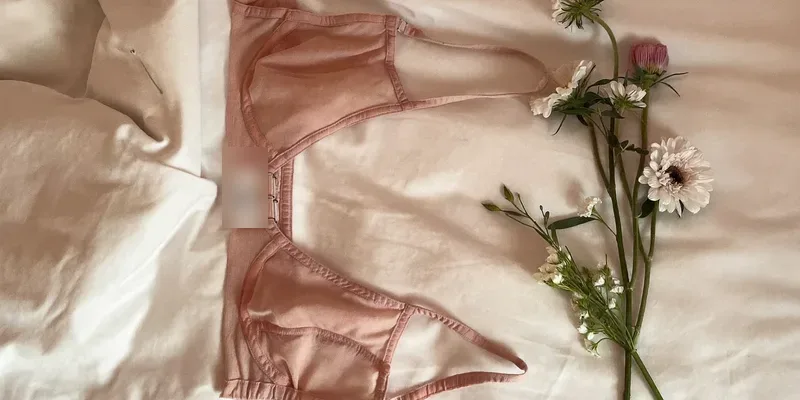
Stretch knit cups do the opposite. They have no shape of their own and simply lie against the body, which is why soft seamless styles usually fit a smaller bust better than a structured bra does. Our guide to the seamless nursing bra covers that construction in full, including where it stops working at the other end of the scale.
The Band Is the Real Fit Problem
When a bra rotates around the ribcage, gaps at the back or rides up during the day, that is a band problem and not a cup problem. Alphabetical sizing groups several band widths into one letter, so a small ribcage often ends up in a bra whose band is loose from the first wear.
Two features fix it. A hook and eye closure with several rows lets you tighten the band as your ribcage narrows after birth, and a wider band spreads the same tension over more surface so it does not roll. Both matter more here than any cup feature does.
Why Sizing Down Backfires
The instinct when a cup gapes is to buy one size smaller. In alphabetical sizing that shrinks the band and the cup together, so you trade a small gap for a band that is genuinely too tight across the ribs. Keep the band size and change the cup construction instead.
Nursing Bras That Fit a Smaller Bust
The three picks below are grouped by the situation rather than the size on the label. In each case the thing being solved is fit and flatness under clothes, not the amount of holding power, which is already sufficient at this end of the range.
Best if cups keep gaping under a t shirt
A soft seamless bralette with a knit cup lies flat because it has no shape to hold. Removable pads give a smooth line when you want one and come out when you do not, and the one hand clip works the same way as on a structured bra.

Best if the band keeps sliding around
A nursing bra with a multi row hook and eye back gives you three or four band settings instead of one fixed circumference. That is the single most useful feature for a narrow ribcage, and it also carries you through the change in ribcage width after birth without a new purchase.

Best if you want it to look like a normal bra
A light molded cup bra cut on the smaller side of the range gives a defined shape under fitted clothes without the gap, provided you buy it once your size has settled. It is the bra to own for work and for anything with a thin fabric, rather than the one you sleep in.

The Three Options Compared
| Option | Cup | Band | Suits |
|---|---|---|---|
| Seamless bralette | Stretch knit, lies flat | Pull on | Home, sleep, gaping cups |
| Multi row hook back | Soft, unstructured | Adjustable, several rows | Narrow ribcage, all day |
| Light molded cup | Shaped, smooth | Hook and eye | Fitted clothes, work |
Try the clip one handed in all three cases, because a clip that needs two hands is a clip you will grow to resent.
What Changes After Birth
Cup volume can change substantially once your milk comes in, and for a smaller bust that change is proportionally larger than it is at the other end of the range. A bra bought at twenty weeks may be genuinely too small at week two after birth and roomy again a couple of months later.
That argues for buying soft and adjustable early, and buying anything structured late. Our article on when to buy nursing bras sets out the timing, and how to measure for a nursing bra explains which two measurements are worth retaking rather than guessing.
Frequently Asked Questions
Do I even need a nursing bra with a small bust? You need the access, not the support. A clip or a drop cup is what makes feeding and pumping practical in public and at night, and that is worth having regardless of cup size. Our comparison of a nursing bra against a regular bra covers what the clip actually solves.
Why does my cup gape at the top? Almost always because the cup is molded and holds a shape that is fuller than what fills it. Switching to a stretch knit cup fixes the gap without changing the size. Adding a thicker removable pad is the quick workaround.
Should I size down if the cup is loose? No. Sizing down in alphabetical sizing also shrinks the band, which is the part that keeps the bra in place. Keep the size and change the construction.
Will pads make it look bigger than I want? Removable pads are removable for exactly this reason. Most people keep them in under fitted tops for a smooth line and take them out at home, and disposable nursing pads slot into the same pocket when leaking is the issue.
Will a wearable pump stay put in a small cup? Usually less well, because there is less tissue to hold it against the body and the seal breaks when it slips. A dedicated pumping bra with a firm panel is a better answer than hoping a nursing bra manages it.
The Bottom Line
At this end of the range the bra has to fit, not hold, so buy stretch knit cups that lie flat and a band you can actually tighten. Keep the band size when a cup gapes and change the construction instead, and leave anything molded until your size has settled. Read next: the full nursing bra guide and the seamless category explained.