Last updated: August 23, 2026
It is a fair question and it gets asked in every pregnancy forum: if a regular bra can be pulled down or pushed up, why buy a whole drawer of bras with clips on them? Nursing bras cost more, come in fewer styles, and the marketing around them is aimed at someone who has never done this before.
The honest answer is that the clip solves one specific problem, and whether that problem matters to you depends on where you are feeding, how often, and what you are wearing. Some people never buy a single dedicated nursing bra. Most people who feed regularly end up owning at least three, and this article explains why the split falls where it does.
This article contains affiliate links. If you buy through them, we may earn a commission at no extra cost to you. Learn more.
Quick Answer
Do you need a nursing bra instead of a regular bra?
- The clip lets you open one side with one hand while holding a baby with the other, which a regular bra cannot do.
- Pulling a regular bra down leaves the underwire or the band pressing across the breast, which is uncomfortable during a feed and worth avoiding.
- Nursing bras are cut wider and deeper because breast volume changes through the day, so they fit a moving target better.
- If you feed rarely or only at home, a soft wire free bra you already own may genuinely be enough.
Bottom line: buy nursing bras for access and for the pressure problem, not because the label says maternity.
What the Clip Actually Does
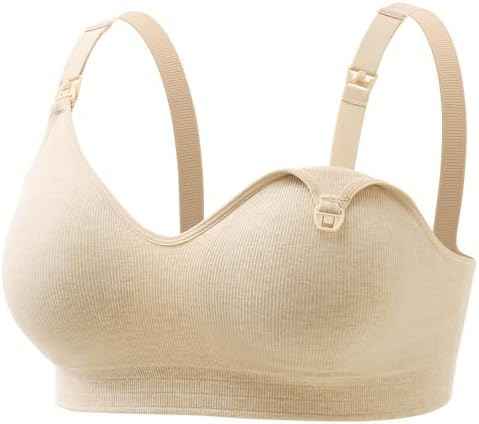
A nursing clip sits where the strap meets the cup and releases the whole cup downward, so the breast is uncovered while the band, the back and the other side stay exactly where they were. It is a one handed motion, done blind, usually while holding something that is squirming.
That is the entire feature, and it is the reason the category exists. Everything else about a nursing bra follows from designing around that opening: no wire crossing the release point, a strap that can be interrupted without collapsing, and a cup with enough fabric to fold out of the way.
Why Pulling a Regular Bra Down Fails
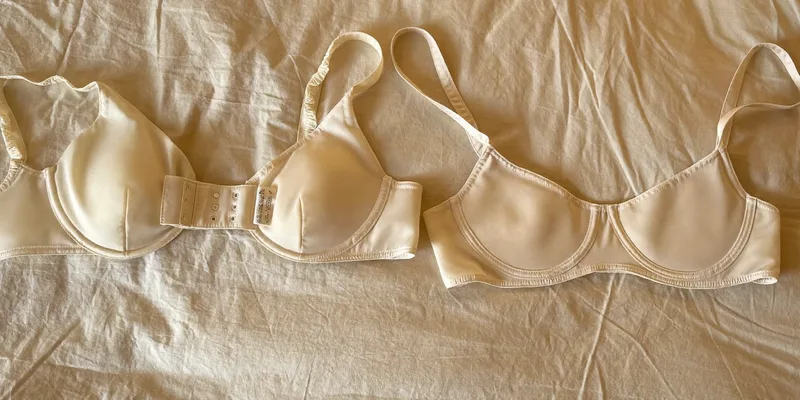
Pulling a cup down turns the underband and any wire into a firm ridge sitting across the middle of the breast, exactly where you least want steady pressure while feeding. Pushing the cup up does the same thing higher. Neither position is stable, so you spend the feed holding the fabric out of the way.
There is also a practical problem: a regular bra needs two hands and usually a shoulder strap off, which is impossible discreetly and awkward at three in the morning. A soft wire free bralette avoids the pressure issue and still needs the two hands.
Wire Is the Part That Matters Most
An underwire that fits perfectly is fine, and one that does not sits on tissue that changes volume several times a day. Most people move away from wire in the early weeks for that reason alone. If you notice sore spots, a persistent lump or a tender area that does not settle after a feed, speak with a lactation consultant or your doctor rather than adjusting the bra and hoping.
Where a Regular Bra Is Genuinely Fine
If you feed mostly at home, in a chair, in loose clothes, a soft wire free bra you already own does the job well enough. The same is true if you are combination feeding or bottle feeding, where the number of times a day you need one handed access is low.
What tends to change people’s minds is leaving the house. Feeding in a car, in a waiting room or with a coat on is where the clip stops being a convenience, and where the difference between the two bras becomes obvious within a week.
Side by Side
| Feature | Nursing bra | Regular bra | Why it matters |
|---|---|---|---|
| Access | One hand, cup drops | Two hands, strap off | Feeding in public or at night |
| Pressure during a feed | Band stays below the breast | Band or wire sits across it | Comfort over a long feed |
| Fit as volume changes | Stretch cup, wide band | Fixed cup shape | Fullness varies through the day |
| Nursing pad pocket | Usually built in | Rarely | Leaking in the early weeks |
The pad pocket is the feature people forget to look for and then miss, since a pad that slides out of position mid morning is its own small disaster.
What to Buy Instead of a Whole New Drawer
You do not need to replace every bra you own. A small number of dedicated nursing bras covering the three real situations, plus whatever soft bras you already have, covers almost everyone. The picks below are those three situations.
Best if you want one soft bra to live in
A stretch seamless nursing bra with clips is the low effort option: comfortable enough to forget about, forgiving about size, and cheap enough to own several. It is the bra most people wear for the first months and then keep for nights.
Best if you need it to look like a normal bra
A structured nursing bra with light molded cups keeps a defined shape under fitted clothes, which is what makes the rest of your wardrobe usable again. Buy this one once your size has settled rather than in advance.

Best if leaking wakes you up
A sleep bra is a soft pull on bralette with a pad pocket and no hooks at the back, made to be lain on. It is the cheapest bra in the drawer and often the most used one. Our guide to a nursing bra for sleeping goes into the leak side of the choice.

Frequently Asked Questions
Can I just wear a stretchy bralette I already own? Often yes, especially at home and in the early weeks. What you lose is one handed access and a pad pocket. If you are feeding out of the house regularly, that gap shows up fast.
Is underwire a problem while nursing? A wire that fits properly is not inherently a problem, but a wire that does not fit sits on tissue that changes volume all day. Most people prefer wire free at least in the early weeks. If something feels sore or tender rather than just uncomfortable, ask a lactation consultant or your doctor.
How many nursing bras do I need if I keep my regular bras? Three is the usual working answer: one on, one in the wash, one spare. Our article on when to buy nursing bras breaks that down by role.
Will my regular bras fit again afterward? Some will and some will not, and the band is usually the part that changed rather than the cup. Do not throw them out, and do not buy replacements until things have settled.
Do nursing bras work for pumping? Some do, most do not hold a flange or a wearable pump securely. That is a different product with a firmer panel, covered in our pumping bra guide.
Is a nursing tank a substitute? It is a good one for home, since it covers the belly and clips at the shoulder. It is less good under structured clothes and gives less hold, so most people use tanks alongside bras rather than instead of them. See nursing tops for where they fit in.
The Bottom Line
The clip buys you one handed access and keeps the band off the breast during a feed, and those two things are worth real money if you feed often or away from home. If you feed rarely, at home, in soft clothes, the bras you already own may be enough. Buy for the situation, not for the label. Read next: the full nursing bra guide and how far a seamless bra will get you.