Last updated: August 23, 2026
Almost everything sold for pregnancy is bought calmly, in advance, after reading. The postpartum kit is the exception. It is the thing people order at two in the morning from a hospital bed, or send a partner out for on day three, and that is precisely the wrong moment to be comparing product listings.
This is the list, assembled before you need it. Some of it the hospital will hand you, some of it you will want more of than they give, and a few items are genuinely worth having at home before the birth. What follows says which is which, so you are not paying for overnight shipping on a bottle with an angled spout.
This article contains affiliate links. If you buy through them, we may earn a commission at no extra cost to you. Learn more.
Quick Answer
What goes in a postpartum recovery kit?
- The core five: a peri bottle, high waisted disposable underwear, heavy pads, cooling perineal pads, and something soft to wear.
- Buy the upgrades, not the basics. Hospitals hand out pads and mesh briefs. What they do not hand out is a peri bottle with an angled neck.
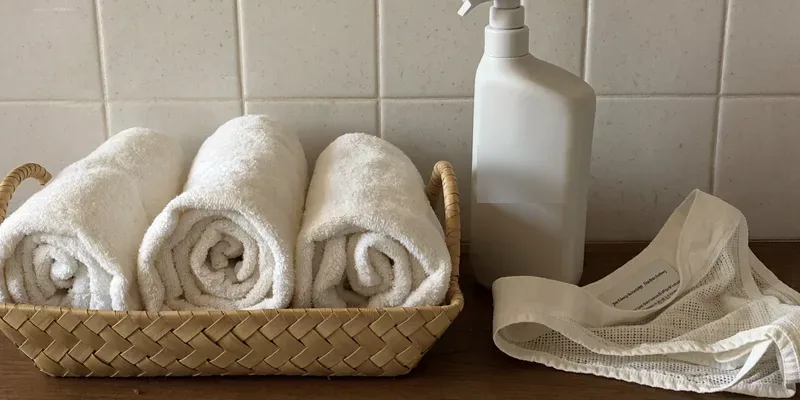
- Set up two stations at home, one by each bathroom, rather than one big box in a cupboard.
- Prebuilt kits are convenient and always contain something you will not use. Both routes are fine.
Bottom line: five core items, doubled up, stationed where you will actually be standing at three in the morning.
What the Hospital Usually Gives You
US hospitals typically send you home with some version of the basics: pads, mesh briefs, a plain peri bottle, and often a cooling pack or two. Take all of it. It is already yours, it is the exact thing you will run out of first, and nobody has ever regretted having too many pads.
What varies is the quality and the quantity, and neither is something you can look up in advance. Ask your nurse what you can take home, and ask on the day rather than at discharge, when everybody is busy and the cupboard is closed.
The Core Five
A Peri Bottle With an Angled Neck
The single most recommended upgrade in this entire category. A standard squeeze bottle points straight up, which means contorting to aim it. An angled neck points where it needs to point while you sit normally. Get one before the birth and put it by the toilet.

High Waisted Disposable Underwear
Hospital mesh briefs work and people ask for extras. Disposable postpartum underwear is the same idea in a form that stays up, and the high waist matters if you have had a C-section, because a waistband sitting on an incision line is the thing people mention most.

Heavy Pads, More Than You Think
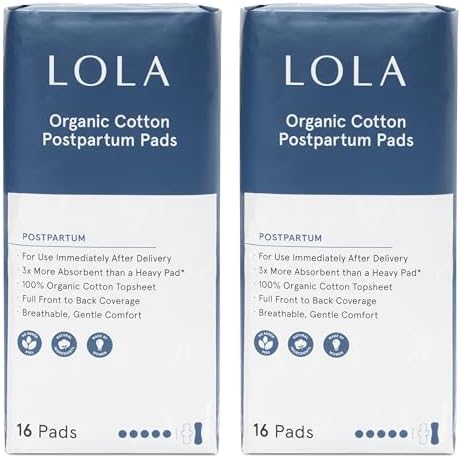
Maternity pads are longer and more absorbent than regular overnight pads. Buy at least two packs, because the first days go through them quickly and running out at midnight is the exact scenario this whole list exists to prevent.
Cooling Perineal Pads
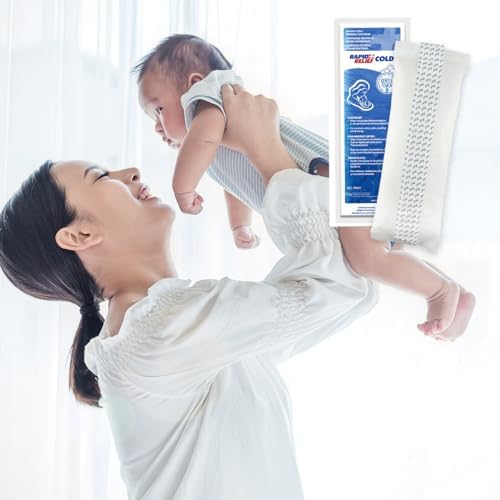
Instant cooling pads shaped to sit inside underwear are a common comfort item in the first days. Some are single use, some are reusable gel inserts that go in the freezer. Both exist; the single use ones need nothing from your kitchen at a time when your kitchen is chaos.
Something Soft to Wear
Loose, dark, high waisted, and easy to get in and out of one handed. This is not the moment for anything with buttons. A nursing nightgown or a soft robe covers most of it, and our hospital pajamas guide goes through the fabrics that actually survive it.

The Worthwhile Extras
Beyond the core five there are four things people consistently say they were glad to have. None is essential and all four are cheap, which makes them good candidates for a gift basket if someone has asked what to send.
Witch Hazel Pads
Cooling wipes that sit under a pad. They are a long standing comfort item and they turn up in almost every prebuilt kit. Follow the label, and ask your provider before using anything on an incision or a repair.

A Sitz Bath That Sits Over the Toilet
A shallow basin that clips onto the toilet rim, which is far easier than filling a bathtub in the first days. Manufacturers supply their own filling and cleaning instructions, and whether to use one at all is worth checking with your midwife or OB-GYN. Our sitz bath guide covers the two formats.

Nipple Care and Nursing Pads
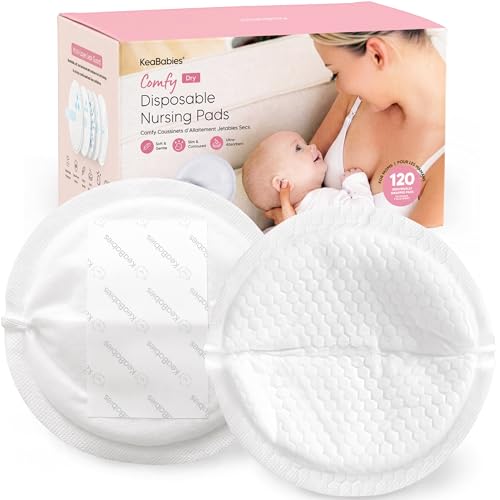
If you are planning to breastfeed, a nipple cream and a supply of nursing pads belong in the kit rather than in a separate order later. Sore nipples in the first week are common enough that having something on the shelf beats sending someone out. A lactation consultant is the person to ask about latch, which is usually the underlying question.

A Big Water Bottle With a Straw
Unglamorous and the item people mention most affectionately afterwards. One hand, no lid to unscrew, big enough that it does not need refilling constantly. Buy two and put one beside each place you sit.

Optional, Depending on Your Birth
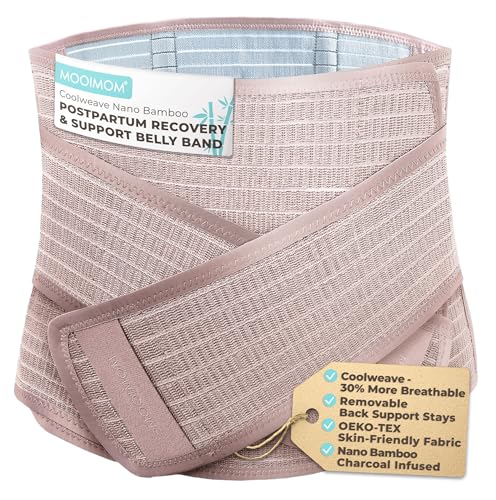
Two categories are worth thinking about separately because they depend on how the birth goes. Abdominal support wraps are one, and they are commonly used after a C-section for the feeling of being held together. Whether one suits you, and when, is a question for your surgeon or midwife rather than a listing.
The other is anything to do with a repair or an incision. Do not buy products aimed at scars or stitches in advance. Wait until your provider has looked at it and told you where things stand, and see the C-section recovery belt guide for the support side of it.
Prebuilt Kit or Build Your Own
| Route | What you get | Trade off | Suits |
|---|---|---|---|
| Prebuilt kit | Core items in one box | Always includes something unused | Not wanting to think about it |
| Build your own | Exactly what you chose | Several orders to track | Knowing what you want |
| Kit plus top ups | Box plus extra pads | Slight duplication | Most people, in practice |
| Gifted basket | Whatever the giver picked | Sizing and preferences guessed | Someone else is asking |
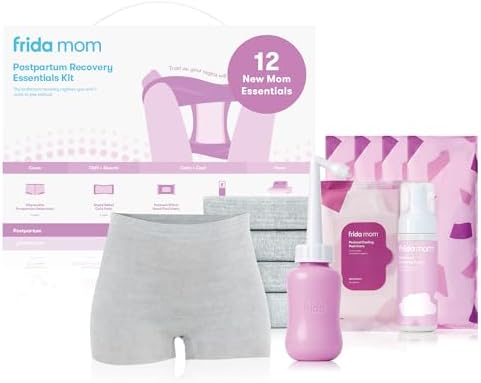
Frida Mom is the brand most people encounter first in the prebuilt category and its kits are widely stocked. Compare what is in the box against the core five above rather than against the price, and top up whatever is short.
Where to Put It All
One box in a cupboard is the mistake. Split the kit into stations: a basket by each toilet with the peri bottle, pads, underwear and wipes, and a second basket wherever you expect to be sitting with the baby, holding the water bottle, nursing pads and cream.
Set the stations up before the birth. Someone else will be restocking them, and a labelled basket is much easier to explain over the phone than a cupboard.
Frequently Asked Questions
How much of this will the hospital give me? Usually pads, mesh briefs, a basic peri bottle, and sometimes cooling packs. Ask what you can take home, and ask before discharge day.
Is a prebuilt kit worth it? It is convenient and it will contain something you never open. If you would rather not assemble ten small orders, buy the kit and add extra pads.
Do I need different things after a C-section? The core list overlaps, but the high waisted underwear becomes more important and abdominal support enters the picture. See the C-section versus vaginal birth comparison.
How long will I need all this? That varies a great deal between people, which is why no number appears here. Your provider can tell you what to expect for you at your postpartum check.
What about anything I take by mouth? Not from us. Anything you swallow, including over the counter items, is a question for your midwife, OB-GYN or pharmacist, and this site does not recommend any of it.
Can someone send this as a gift? Yes, and it is one of the more useful gifts there is. Our postpartum care package guide is written for the person doing the sending.
Everything on this list is a comfort item. Pain that is severe or getting worse, heavy bleeding, a fever, or anything about an incision or a repair that worries you is not a shopping question. Call your midwife or OB-GYN about it rather than adding something to a basket.
The Bottom Line
Peri bottle with an angled neck, high waisted disposables, more pads than you think, cooling pads and something soft to wear. Buy it before the birth, split it into stations, and let the hospital supply the rest. Read next: what people actually used and the peri bottle guide.