Last updated: August 23, 2026
The hip complaint has a signature. It is worst at night, on whichever side you have been lying on, and it wakes you up needing to turn over. Then turning over becomes its own small operation, the pillow has to come with you, and by the time you are settled on the other side you are awake enough to check the time.
People searching for a belly band because of this are usually looking at the wrong half of the category. A bump support belt and a pelvic belt do different jobs, and for hips the answer is often not a belt at all but what you sleep with. This page sorts out which is which.
This article contains affiliate links. If you buy through them, we may earn a commission at no extra cost to you. Learn more.
Quick Answer
Belly band or pelvic belt when your hips are sore?
- If the soreness is at night and on the side you were lying on, start with side sleeping support between the knees rather than with a belt.
- If it shows up while walking and standing, a low pelvic belt worn around the hips is the belt shape that applies.
- An underbelly bump belt is aimed at forward weight, not at the hips, though it can make the whole load feel steadier.
- Hip discomfort in pregnancy is exactly what pelvic floor physical therapists assess, and that appointment beats any product on this page.
Bottom line: night soreness is a pillow problem, walking soreness is a pelvic belt question, and both are worth raising with your provider.
Night Hips and Day Hips Are Different Problems
Hip soreness that appears in bed usually comes from hours of pressure on one side with the top leg dropping across the body, which twists the pelvis out of line all night. Hip soreness that appears while walking or standing behaves differently and is linked to load rather than position.
Those two need different purchases. The first is answered by what you lie on, the second by what you wear. Buying a belt for a night problem is a common and expensive mistake, since manufacturers generally describe belts as daytime products for activity anyway.
If It Is Worst in Bed
The cheap fix is keeping the hips level. A firm pillow between the knees stops the top leg falling forward, and a full length or U shaped support does the same thing while also giving the bump somewhere to rest. Many pregnant people find that single change is what finally makes turning over less of an event.
Mattress firmness matters too, though it is the expensive variable. A softer surface lets the hip sink and the pelvis tilt, which is why some people notice the problem only after a hotel bed or a new mattress. Start with the pillow, since it costs a fraction as much, using pregnancy pillows for sore hips and the broader pillow shape guide.
If It Is Worst While Walking
Here a belt makes sense, and the shape that applies is the low pelvic belt: a narrower band worn around the hips rather than under the bump. It holds rather than lifts, and owners describe it as making the pelvis feel more like one piece while they are moving.
An underbelly bump belt is aimed at a different thing, namely forward weight pulling on the lower back. It can still make walking feel steadier overall, which is why plenty of people use one, but it is not the hip specific product. That comparison sits in band versus belt.
What to Buy for Which Pattern
Sore on Whichever Side You Slept On
Support between the knees, all night, is the intervention. A dedicated knee pillow is the minimal version and a full length pregnancy pillow is the version that also handles the bump, and it is worth reading the shape guide before ordering because the wrong shape gets abandoned fast.

Sore When You Are Upright and Moving
A low pelvic support belt sits around the hips, below the bump entirely, and is deliberately narrow. This is the product owners with a walking pattern of soreness tend to settle on after finding a bump belt sat too high to matter.

Both, Plus a Heavy Bump
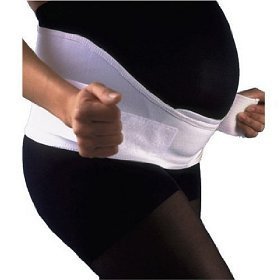
Gabrialla’s elastic maternity support belt covers the mixed case with a wider rear panel and enough adjustment range to sit reasonably low while still cradling the bump. It is the compromise buy when the pattern is not clean.
Matching the Pattern to the Product
| When it happens | Likely driver | What usually applies | Worn or used |
|---|---|---|---|
| Overnight, one side | Hips out of line in bed | Support between the knees | Sleeping |
| Walking, standing | Load through the pelvis | Low pelvic belt | Daytime activity |
| Late day, with back ache | Forward bump weight | Underbelly support belt | Daytime activity |
| All of the above | Mixed | Assessment first | Appointment |
The last row is not a filler. When the pattern is not clean, an assessment is a better purchase than a third belt.
What Owners Report
People who bought a pelvic belt for a night problem consistently describe it as useless, and they are not wrong: it is not what the product is for. People who bought one for walking describe being able to do a school run or a shopping trip without paying for it afterward, which is a comfort claim rather than anything more.
On the pillow side the recurring complaint is size. A full length support genuinely takes up a large share of a bed, and the partner objection is real. The smaller alternatives are covered in the shape guide, and a plain knee pillow solves the alignment part on its own.
Frequently Asked Questions
Can I wear a support belt in bed? Manufacturers generally describe belts as daytime products for activity, and most owners find them uncomfortable to sleep in. For nighttime the useful purchase is support between the knees that keeps the hips level.
Is a pelvic belt the same as a maternity belt? No. A pelvic belt is narrower and worn around the hips; a maternity belt has a shaped panel that sits under the bump. They are aimed at different sensations and feel different to wear.
How tight should a pelvic belt be? Snug enough to stay put through a walk, loose enough to breathe normally and slide a finger underneath. Cranking it down does not make it work better, and it is the fastest way to stop wearing it.
Do I need both a belt and a pillow? Many people end up with both because they solve different halves of the day. If the budget only stretches to one, buy for whichever pattern is costing you more sleep.
Should I be doing exercises for this? That is a question for a pelvic floor physical therapist rather than for a shopping guide, because the right movements depend on what is actually happening in your pelvis.
When to Ask a Professional Instead
Hip and pelvic discomfort in pregnancy is one of the main things pelvic floor physical therapists see, and they can assess it far better than any product description. Ask your midwife or OB-GYN for a referral, particularly if the soreness is severe, is making it hard to walk, climb stairs, or turn over in bed, or is getting worse rather than staying steady.
The Bottom Line
Decide when your hips hurt before deciding what to buy. Night soreness is answered by keeping the hips level in bed, daytime soreness by a low pelvic belt, and a heavy forward bump by an underbelly belt, and those are three different products. Read next: pregnancy pillows for sore hips and maternity support belts.