
Last updated: August 23, 2026
Both of these are thick, comprehensive, month by month pregnancy references, and both are bought for the same reason: you want one book on the nightstand that has an answer for whatever comes up. On that job they are genuinely close, which is why the comparison keeps getting asked and why star ratings do not settle it.
The difference is who is talking. One is written by an author with a distinctive, warm, chatty voice that has been part of American pregnancy for decades. The other is written by a medical institution and reads like it, in the way a well organized manual reads like a manual. Everything else follows from that.
This article contains affiliate links. If you buy through them, we may earn a commission at no extra cost to you. Learn more.
Quick Answer
Mayo Clinic Guide or What to Expect, which reference should you own?
- Mayo Clinic Guide if you want a flat, clinical tone and information without a personality attached.
- What to Expect if you want warmth, company and the widest possible net of questions answered.
- Mayo is the calmer read for anyone who finds long symptom lists unsettling.
- Only buy one. Two thick references cover the same ground twice.
Bottom line: institution or author. That is the whole decision, and both are good at the reference job.
The One Real Difference: Who Wrote It
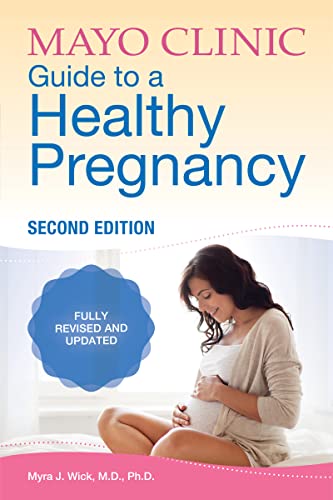
The Mayo Clinic Guide to a Healthy Pregnancy is produced by a medical institution, with contributors rather than a narrator. The result is even, plain and unemotional, and it never tries to be your friend. Readers who prefer it usually say exactly that.
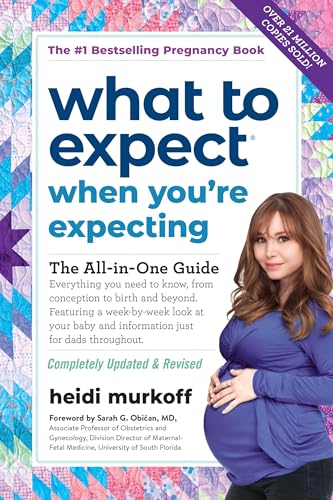
What to Expect When You’re Expecting has a voice. It is warm, familiar and reassuring, it answers questions in the second person, and it feels like someone talking to you. Readers who prefer it usually say the company was the point.
Structure and How You Actually Use Them
Both are organized by month with a reference section behind it, so day to day use is similar: find your month, read the entry, look up whatever is bothering you. The Mayo book leans harder on clear headings and short sections, which makes scanning faster.
What to Expect leans on its question and answer format, which is better when your question is oddly specific and worse when you are trying to find one fact quickly. If you already know you are a skimmer, that difference will matter more than any content comparison.
The Symptom List Problem
Both books have to cover the things that can go wrong, and both put them in one place. The Mayo book’s handling is drier, which most anxious readers find easier to get through. Either way, reading the complications section cold is a common route to a bad night, and anything in it that seems to apply to you is a question for your midwife or OB-GYN rather than a chapter to reread.
Coverage Beyond the Pregnancy Itself
What to Expect casts the wider net. Alongside the medical material it covers work, travel, relationships, and the practical texture of being pregnant, and it continues into the first days at home. That breadth is the main argument for it as a single purchase.
The Mayo book stays closer to health and development, with a shorter run into the postpartum period. If you want the after part covered properly, that is a separate book anyway, and our postpartum books guide covers the ones written for it.
Which One for Which Reader
Choose the Mayo Clinic Guide If
You want facts without a tone, you find the chatty style patronizing, you are anxious and want the calmest available version, or you like an institutional source you can point to in a conversation. It is also the more comfortable book for readers who work in health care.
Choose What to Expect If
This is a first pregnancy and you want company as much as information, you like reading questions that sound like your own, or you want one book that also covers the non medical side of the nine months. It is also the better gift, because it is the one people recognize.
Choose Neither If
You already answer most questions online and want one book you will actually read. In that case the money is better spent on a birth book and a book about the first weeks, which is where the real reading gap sits. Our trimester reading plan is built on exactly that assumption.
Side by Side
| Feature | Mayo Clinic Guide | What to Expect | Which matters |
|---|---|---|---|
| Voice | Institutional, flat | Personal, warm | The deciding factor |
| Layout | Headings, easy to scan | Question and answer | Skimmers versus readers |
| Breadth | Health and development focused | Health plus work, travel, life | Whether you want one book |
| Anxious readers | Drier handling of risks | Longer concerns sections | How you react to symptom lists |
This compares tone and structure, not medical accuracy. Both are references, and neither replaces the appointments where your own pregnancy is discussed.
Do You Need a Thick Reference at All
Fewer people do than used to. Most week by week questions now get answered online before the book is opened, and plenty of readers get through a pregnancy with an app, their appointments and one shorter book. The reference earns its place if you like paper, or if you want something that is not an algorithm.
If the answer is no, spend the money on the narrower books instead. Our Expecting Better comparison covers the main alternative approach, and our trimester reading guide lays out a plan that does not depend on owning a doorstop.
Frequently Asked Questions
Is the Mayo Clinic Guide more accurate? Both are mainstream references that get revised. The Mayo book carries an institutional name, which is why readers who want a citable source prefer it. For your own situation, the answer that counts comes from your care provider.
Which is better for a first pregnancy? Most first time readers pick What to Expect for the company. If you already know that reassuring, chatty writing irritates you, that reverses immediately.
Can I use both? You can, and it is mostly wasted. They cover the same ground in different voices. A second book is better spent on birth, feeding or the first weeks.
Which one covers a C-section better? Both include it, and neither treats it as an afterthought in current editions. Check the contents page if it matters to you, and see our C-section hospital bag guide for the practical side.
What about the app versions? Both brands have digital companions, and they are convenient for the current week. They do not replace an index, which is the reason to own a printed reference in the first place.
The Bottom Line
Pick the voice you want in the room at midnight. The Mayo book is the calm institutional manual, What to Expect is the warm, wide ranging companion, and one of them is enough. Read next: our full review of What to Expect and the pregnancy books guide.