Last updated: August 23, 2026
Search for a belly band and you will be shown two products that look nothing alike. One is a soft, seamless tube of fabric. The other has a rigid front panel, hook and loop straps, and the general appearance of something a mover would wear. Both are sold under the same words, often by the same brands, and the listings rarely explain which one you are looking at.
This is the single most useful distinction in the whole category, and getting it right the first time is the difference between a product you wear every day and one that sits in a drawer. The short version: a band is a clothing solution, a belt is a load solution.
This article contains affiliate links. If you buy through them, we may earn a commission at no extra cost to you. Learn more.
Quick Answer
Belly band or maternity belt, which one do you need?
- Belly band if the problem is clothing: unbuttoned jeans, a gap of skin under a short top, seams that dig in.
- Maternity belt if the problem is weight: a bump that pulls forward, a lower back that complains by evening.
- The band is invisible under clothes and does not carry load. The belt carries load and shows under fitted clothing.
- Plenty of people end up with both, for different parts of the day, and that is a reasonable outcome rather than a failure.
Bottom line: name your problem in one sentence. If the sentence is about pants, buy the band. If it is about weight, buy the belt.
What Each One Is Built To Do
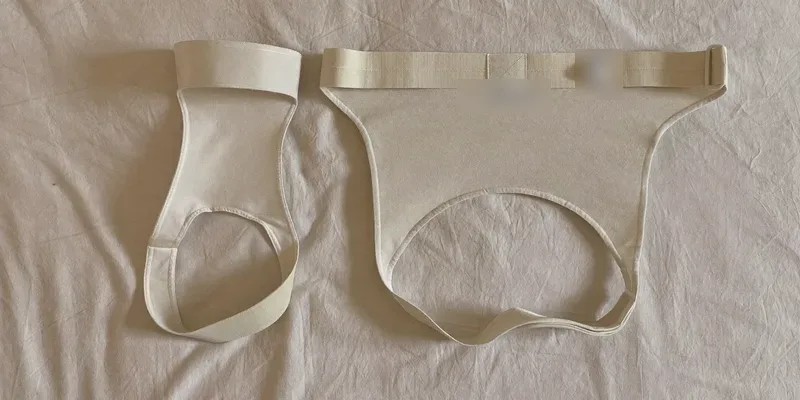
A belly band is a wide stretch tube with no fasteners. It goes over the waistband of your own clothes, holds unbuttoned pants up, and covers the skin that appears when tops ride up. A maternity belt is a structured piece with a firm underbelly panel and adjustable straps, built to shift part of the bump’s weight onto the hips.
Those are different engineering problems with different answers. Stretch fabric is comfortable and invisible precisely because it gives, and a structured panel supports precisely because it does not. No single product does both jobs well, which is why the category splits.
The Two Archetypes on the Shelf
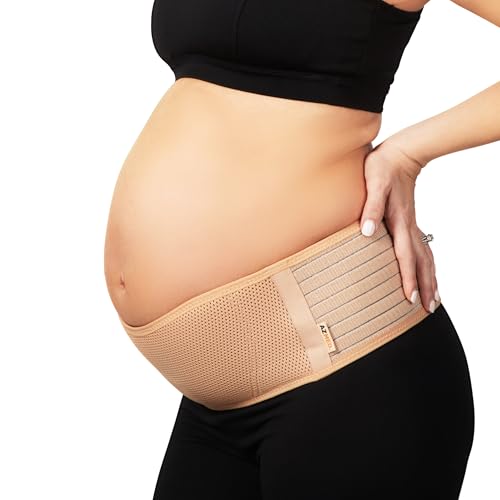
In practice the market has settled on two recognizable shapes. KeaBabies represents the soft seamless band: no closures, sold in neutral multipacks, sized by bump measurement. AZMED represents the structured belt: shaped panel under the bump, one broad adjustment strap, sold as a single unit.
Nearly every other product in the category is a variation on one of those two. Once you can tell which archetype a listing belongs to, brand choice becomes a much smaller decision, and the shortlist in the brand comparison gets a lot easier to read.
The Soft Seamless Band
Stretch tube, no hardware, worn over the waistband. Layers under anything, washes with normal laundry, and is the cheapest way to keep wearing clothes you already own well into the second trimester.

The Structured Underbelly Belt
Firm panel, hip straps, worn low under the bump. Noticeable under fitted clothing, warmer to wear, and the one people reach for before a long day standing rather than for general daily wear.
The Middle Ground
A wrap style support sits between the two: more structure than a band, less rigid than a belt, with tension spread across a wider overlap. Belly Bandit’s Upsie Belly is the common example, and it suits people who want some hold without a defined strap across the back.

Differences at a Glance
| Question | Belly band | Maternity belt | Wrap style |
|---|---|---|---|
| Main job | Covers and holds clothing | Carries bump weight | Even hold, moderate structure |
| Under clothes | Invisible | Shows under fitted tops | Slight outline |
| Adjustable | No, sized to fit | Yes, straps | Yes, wrap overlap |
| All day wear | Comfortable | Usually task based | Between the two |
The row that decides it for most people is the first one, because the two products are answering different sentences.
Which Sentence Sounds Like Yours
Say the problem out loud in one sentence and the answer usually appears. “My jeans do not close and my shirt keeps riding up” is a band. “My bump feels heavy and my lower back is done by four o’clock” is a belt. “I have a desk job but I do the school run” is often a band on most days and a belt for the walk.
Where people go wrong is buying a band because it looked more comfortable, then being disappointed that it does nothing for the weight. That is not a fault in the product. It is the product doing exactly what a stretch tube can do.
When Both Make Sense
Buying both is common and not extravagant. The band handles the wardrobe every day, the belt comes out for shifts, shopping, travel, and anything that involves being upright for a long stretch. If your work is spent on your feet, belly bands for long shifts covers that pattern in more detail.
What Neither of Them Does
Neither product changes anything after you take it off, and neither one is a plan for discomfort. A belt alters how weight is distributed while it is on, which many pregnant people find makes moving around feel more manageable. That is a comfort effect and the honest limit of the claim.
Reviews make the pattern visible. The most disappointed owners in both camps are the ones who bought a piece of fabric hoping it would settle a specific ache on its own, and the most satisfied are the ones who bought it to make a particular activity easier.
Frequently Asked Questions
Is a belly band the same as a bellyband or a maternity band? Those three words all describe the soft stretch tube, and listings use them interchangeably. “Support belt”, “maternity belt”, and “pregnancy belt” describe the structured product. When a listing uses both, look at the photo for straps.
Can a belly band hold my pants up on its own? Yes, that is the main thing it is for. It sits over the open waistband and holds it in place, which is why people buy them long before the bump is heavy enough to think about support.
Do I need to size up on either one? Reviewers say yes for both, consistently. Sizing runs off the measurement around the widest part of your bump, and that measurement is not finished growing. Belly band sizing goes through how to take it.
Which one is better in summer? A seamless band, comfortably. A structured belt adds a compressive layer plus the strap system, and heat is the most common summer complaint in the reviews for every brand.
Can I use either one after birth? A soft band, yes, and many people keep wearing one. A pregnancy belt is shaped for a bump and generally will not fit; the postpartum equivalent is covered in postpartum belly wraps.
When to Ask a Professional Instead
Choosing between a band and a belt is a comfort decision, not a medical one. If what is driving the search is pain that is sharp, one sided, worsening, or making it hard to walk, climb stairs, or turn over in bed, the right next step is a conversation with your midwife, your OB-GYN, or a pelvic floor physical therapist rather than an order confirmation.
The Bottom Line
The band is for clothes and the belt is for weight, and almost every disappointed review in this category comes from crossing those two wires. Work out which sentence describes your week, buy that one, and add the other later if the week changes. Read next: the full belly band guide, or maternity support belts if you already know you need structure.