Last updated: August 23, 2026
You sneeze, or stand up too quickly, or turn over in bed, and something low on one side of the bump grabs. It is short, it is sharp enough to make you stop mid sentence, and then it is gone. People describe it in reviews as a pulling or a catching rather than an ache, and it is one of the most common reasons a support belt lands in a cart.
Round ligament discomfort is a description of a sensation, and confirming what is behind yours is your provider’s job rather than a search engine’s. What this page can do is explain why a support belt is the shape of product people reach for, what owners report about it, and which free adjustments are worth making before you spend anything.
This article contains affiliate links. If you buy through them, we may earn a commission at no extra cost to you. Learn more.
Quick Answer
Does a belly band do anything for round ligament pain?
- A structured belt cradles the bump from underneath, so it is doing something during exactly the movements owners flag: standing up, turning, sneezing, walking fast.
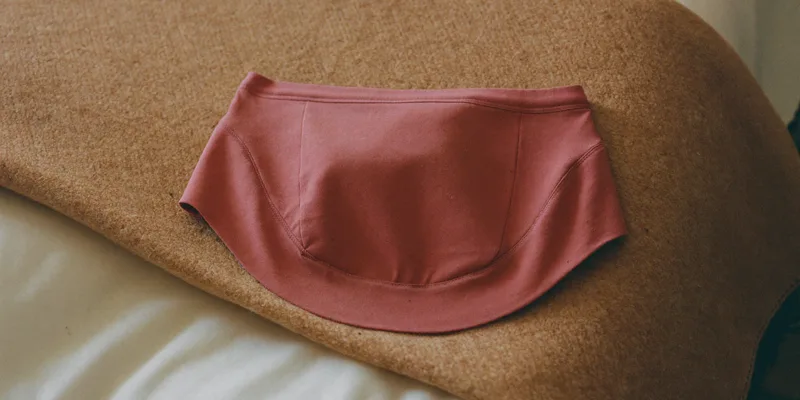
- The soft seamless band is the wrong product here. It stretches, so it cannot support anything.
- Slowing down the trigger movements, and bracing before a sneeze or a cough, costs nothing and is what most people notice first.
- Sharp abdominal sensations in pregnancy have more than one possible cause, so anything sudden, severe, or persistent is a call to your midwife, not a shopping decision.
Bottom line: a low, firm underbelly belt is the sensible thing to try, alongside slowing down the movements that set it off.
What People Describe and When
The reports cluster around the second half of pregnancy and around movement rather than rest. The typical description is a brief, one sided pull low on the bump triggered by a fast change of position, and reviewers usually note that it does not linger. It is the suddenness that unsettles people more than the intensity.
Because it is movement linked, anything that changes how the bump moves during those moments is what owners talk about. That is the entire logic behind reaching for a belt, and it also explains why nobody reports a belt doing anything at all while lying still.
The Free Changes Worth Making First
Slow the triggers down. Roll onto your side and push up with an arm instead of sitting straight up. Turn your whole body rather than twisting at the waist. Bend your knees and lean forward slightly before a sneeze or a cough, which many pregnant people find takes the snap out of it.
Warmth and rest are the other two things owners mention, and both are free. If the sensation shows up mostly at night when you turn over, the setup around you matters more than any belt, which is the argument for a full length support pillow from the pregnancy pillow guide.
Why a Structured Belt and Not a Soft Band
A soft seamless band is a stretch tube. It holds clothing in place and covers skin, and it has no rigid element, so it cannot hold the weight of a bump during a fast movement. Buying one for this reason is the most common mismatch in the category, and it produces most of the disappointed reviews.
A support belt has a firm panel that sits under the bump and straps that anchor on the hips. That cradling is what people are describing when they say the bump feels less like it is swinging when they move. The full comparison is in band versus belt.
The Placement Detail That Decides It
The panel belongs low, under the bump and against the top of the pubic bone, with the strap resting on the hip bones. A belt fastened up around the waist presses on the belly, slides down within minutes, and supports nothing. That one detail explains most of the gap between five star and one star reviews, and it is walked through in how to wear a belly band.
Belts That Suit This Pattern
A Firm Cradle Under the Bump
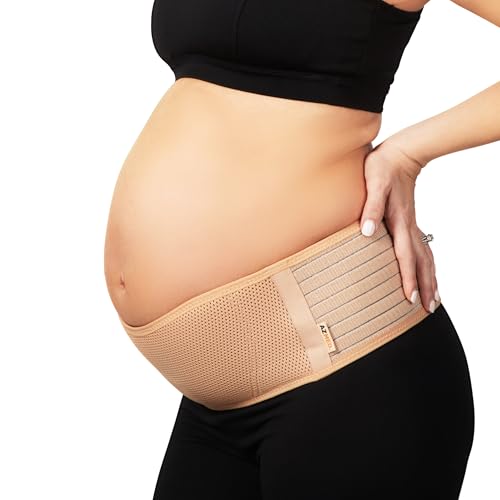
The classic single strap underbelly belt is the shape to start with, because the whole design is a shaped panel that sits below the bump. AZMED’s maternity belt is the most bought version of it and is easy to loosen when you sit down and retighten when you get up.
More Adjustment Through the Day
If your comfortable tension changes constantly, a belt with a wider back panel and a broader adjustment range makes more sense than a single strap. Gabrialla’s elastic maternity support belt is built that way.
Something Lighter for Warm Weather
A belt worn on and off all day in summer needs to be bearable. NeoTech Care’s pregnancy support belt uses less material and a more breathable panel, trading a little firmness for something you will actually keep on.

What to Try, in Order
| Step | What it addresses | Effort | Notes |
|---|---|---|---|
| Slow the trigger movements | Sudden position changes | Free | Roll, do not twist |
| Brace before a sneeze | The classic trigger | Free | Bend knees, lean forward |
| Night support | Turning over in bed | A pillow | Side sleeping setup |
| Underbelly support belt | Bump movement while upright | A belt | Worn low, adjusted often |
Anything sudden, severe, or persistent skips this table entirely and goes to your provider.
What Owners Report Going Wrong
Two complaints dominate. The belt slides down, which is placement or a size too large rather than a defect. And it becomes uncomfortable when worn continuously, which is why most owners who stick with one describe using it for activity and taking it off to sit.
The third pattern is expectation. A belt is worn support, so its effect exists only while it is on. Reviewers who bought one expecting the sensation to disappear from their pregnancy describe it as useless, and reviewers who bought one to make a walk or a shift easier describe the same belt as worth every cent.
Frequently Asked Questions
Will a belt stop the sharp pulling? No product can be promised to do that, and the honest description is narrower: a belt cradles the bump while you wear it, and owners report the trigger movements feeling less jarring. Anything sharp or persistent should be described to your midwife.
Band or belt? Belt, without much doubt. The soft band cannot support weight because it is designed to stretch. See band versus belt for the full difference.
When should I put it on? Most owners describe wearing one for the parts of the day that involve being upright and moving, then taking it off to sit or rest, rather than leaving it on continuously.
What size should I order? Measure around the widest part of your bump today and take the larger option if you fall between sizes, since the measurement is still increasing. The method is in belly band sizing.
Does it help at night? Belts are generally described by manufacturers as daytime products. For turning over in bed, a full length support pillow is the more useful purchase.
When to Ask a Professional Instead
Abdominal sensations in pregnancy are not all the same thing, and a belt cannot tell them apart. Contact your midwife or OB-GYN promptly if anything is severe, constant rather than brief, accompanied by bleeding, fever, regular tightening, or a change in the baby’s movements, or if you simply are not sure what you are feeling. A pelvic floor physical therapist can also assess movement patterns and advise whether a belt suits your situation.
The Bottom Line
Slow the trigger movements first, sort out how you turn over at night, and then try a firm underbelly belt worn low and adjusted through the day. It is a comfort tool for the hours you wear it, which is a fair thing to buy as long as that is what you expect. Read next: maternity support belts and the belly band guide.